
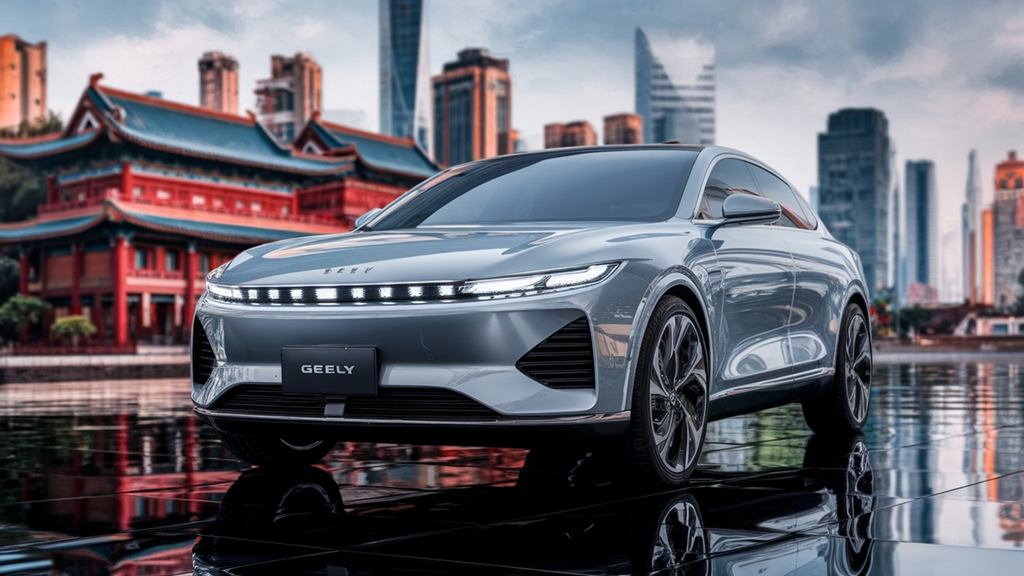
Geely is one of the fastest-growing automotive companies in the world and a major force behind the transformation of the global automobile industry. Officially known as Zhejiang Geely Holding Group, Geely has expanded from a small refrigerator parts manufacturer into a multinational corporation that owns well-known global car brands and invests heavily in electric vehicles, smart mobility, and advanced technologies.
The History of Geely
Geely was founded in 1986 by Li Shufu in Taizhou. Initially, the company focused on manufacturing refrigerator parts before moving into motorcycles in the 1990s.
In 1997, Geely entered the automobile industry, becoming one of the first private Chinese companies to produce passenger cars. At that time, the automotive market in China was dominated by state-owned enterprises and foreign joint ventures.
Geely’s breakthrough moment came in 2010, when it acquired the Swedish carmaker Volvo Cars from Ford Motor Company. This acquisition elevated Geely’s reputation globally and allowed it to access advanced automotive technologies and safety systems.
Geely’s Global Expansion
Over the years, Geely has grown into a global automotive powerhouse through acquisitions and partnerships. The company owns or has major stakes in several well-known automotive brands, including:
- Volvo Cars – Known for safety and premium vehicles
- Polestar – Electric performance vehicles
- Lotus Cars – High-performance sports cars
- Proton Holdings – Southeast Asian car manufacturer
- LEVC – Electric taxis and commercial vehicles
Geely also holds stakes in other global automotive firms and technology companies, making it one of the most influential players in the mobility sector.
Geely’s Vehicle Portfolio
Geely produces a wide range of vehicles designed for different customer needs and markets. Its lineup includes:
1. Passenger Cars
Geely manufactures affordable and mid-range passenger vehicles known for modern styling, fuel efficiency, and advanced technology.
Popular models include:
- Geely Emgrand
- Geely Coolray
- Geely Atlas
These models are sold in markets across Asia, the Middle East, Africa, and parts of Europe.
2. Electric Vehicles (EVs)
Geely is investing heavily in electric mobility and sustainable transportation.
One of its key EV brands is:
- Polestar
Polestar produces premium electric vehicles such as:
- Polestar 2
- Polestar 3
Geely also develops EVs under its own brands and subsidiaries to meet rising demand worldwide.
3. Luxury Vehicles
Through ownership of Volvo Cars, Geely competes in the global luxury car market.
Popular luxury models include:
- Volvo XC90
- Volvo S90
Volvo’s focus on safety, design, and sustainability strengthens Geely’s global brand image.
Geely’s Innovation and Technology
Geely invests heavily in research and development (R&D) to stay competitive in the rapidly changing automotive industry.
Advanced Safety Systems
With the help of Volvo technology, Geely integrates advanced safety features such as:
- Collision avoidance systems
- Driver assistance technologies
- Intelligent braking systems
These features help enhance passenger safety and vehicle reliability.
Electric and Hybrid Technology
Geely is actively developing:
- Battery-electric vehicles (BEVs)
- Plug-in hybrid vehicles (PHEVs)
- Hybrid-electric vehicles (HEVs)
Its focus on sustainable transportation aligns with global efforts to reduce carbon emissions.
Autonomous Driving
Geely is investing in self-driving technologies and artificial intelligence systems designed to improve driving safety and convenience.
Many modern Geely vehicles include:
- Smart connectivity
- Voice commands
- Navigation systems
- Advanced driver assistance systems (ADAS)
Geely’s Presence in Global Markets
Geely vehicles are sold in more than 60 countries, making the brand a truly global player.
Key markets include:
- China (largest market)
- Southeast Asia
- Middle East
- Europe
- Africa
Although Geely does not yet have a strong direct presence in India, its global investments suggest that entry into the Indian market could happen in the future, especially as demand for electric vehicles grows.
Geely and Sustainability
Environmental sustainability is a major focus for Geely’s long-term strategy.
Key sustainability initiatives include:
- Reducing vehicle emissions
- Increasing production of electric vehicles
- Improving battery technology
- Promoting recycling and energy-efficient manufacturing
Geely aims to become a leader in green mobility and reduce its environmental footprint worldwide.
Strategic Partnerships and Collaborations
Geely has formed partnerships with major technology and automotive companies to enhance its capabilities.
For example, Geely collaborated with:
- Mercedes-Benz Group to develop new mobility technologies
- Renault Group for powertrain development
These partnerships allow Geely to expand its technological expertise and global reach.
Geely’s Future Vision
Geely is focusing on several major trends shaping the future of transportation:
1. Electric Mobility
Electric vehicles are expected to dominate future markets. Geely plans to increase EV production and expand charging infrastructure partnerships.
2. Smart Vehicles
Modern vehicles are becoming connected devices. Geely is working on:
- AI-powered driving systems
- Smart dashboards
- Over-the-air software updates
These technologies improve the driving experience and vehicle performance.
3. Global Market Growth
Geely continues expanding into new international markets through partnerships and acquisitions.
Its strong global brand network gives it an advantage over many competitors.
Advantages of Geely Vehicles
Geely vehicles are gaining popularity due to several benefits:
- Affordable pricing compared to Western brands
- Modern and stylish designs
- Advanced safety features
- Strong global technology partnerships
- Increasing focus on electric mobility
These factors make Geely a competitive choice in the global automotive industry.
Challenges Faced by Geely
Despite its growth, Geely faces several challenges:
Global Competition
Geely competes with major global brands such as:
- Toyota Motor Corporation
- Volkswagen Group
- Tesla Inc.
Competition in the electric vehicle sector is particularly intense.
Regulatory Requirements
Different countries have strict regulations regarding safety, emissions, and environmental standards. Meeting these requirements increases development costs.
Why Geely Matters in the Automotive Industry
Geely represents the rapid growth of China’s automotive sector and its increasing influence on global markets.
Key reasons why Geely is important:
- One of the largest privately owned car companies in China
- Owner of globally respected brands
- Major investor in electric and smart vehicle technology
- Strong focus on sustainability and innovation
These strengths make Geely a key player shaping the future of transportation.
Conclusion
Zhejiang Geely Holding Group has transformed from a small manufacturing business into one of the world’s most influential automotive companies. Through strategic acquisitions, strong investments in electric vehicles, and global expansion, Geely has established itself as a leader in modern mobility.
With continued innovation, sustainability efforts, and expansion into new markets, Geely is expected to play an even larger role in the future of transportation. As the automotive industry shifts toward electric and smart vehicles, Geely’s global presence and technological capabilities position it as one of the most important automotive companies to watch in the coming years.