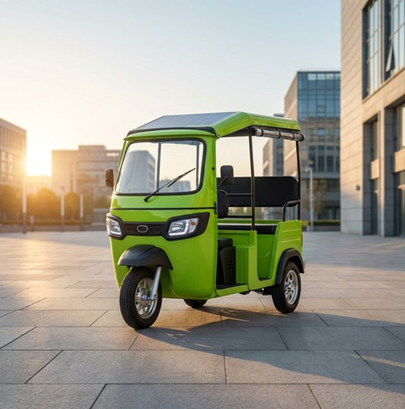
Electric vehicles are transforming the way people travel, and the EV auto rickshaw has emerged as one of the most promising solutions for affordable and eco-friendly urban mobility. With rising fuel prices, increasing pollution levels, and growing demand for sustainable transportation, electric three-wheelers are becoming a popular choice among drivers, passengers, and businesses.
Unlike traditional petrol or diesel auto rickshaws, EV auto rickshaws run on electric batteries, reducing fuel expenses and harmful emissions. They are especially beneficial for short-distance travel, last-mile connectivity, and public transportation in crowded cities.
What Is an EV Auto Rickshaw?
An EV auto rickshaw is a three-wheeled electric vehicle powered by a rechargeable battery instead of an internal combustion engine. It uses an electric motor to generate movement, making it quieter, cleaner, and more energy-efficient compared to conventional auto rickshaws.
These vehicles are commonly used for:
- Passenger transportation
- Goods delivery
- Local commuting
- Last-mile connectivity
- Small business operations
EV auto rickshaws are available in different designs, including passenger models, cargo models, and specially designed vehicles for commercial purposes.
How Does an Electric Auto Rickshaw Work?
An electric auto rickshaw operates using several key components:
1. Battery Pack
The battery is the main energy source of an EV auto rickshaw. Most modern electric three-wheelers use lithium-ion or lead-acid batteries. Lithium-ion batteries are becoming more popular because they offer faster charging, longer lifespan, and better performance.
2. Electric Motor
The electric motor converts electrical energy from the battery into mechanical energy, which powers the vehicle. These motors require less maintenance compared to traditional engines.
3. Controller System
The controller manages the flow of electricity between the battery and motor. It controls speed, acceleration, and overall vehicle performance.
4. Charging System
EV auto rickshaws can be charged using standard electricity connections or dedicated charging stations. Charging time depends on battery capacity and charger type.
Benefits of EV Auto Rickshaws
Lower Operating Cost
One of the biggest advantages of electric auto rickshaws is their low running cost. Electricity is generally cheaper than petrol or diesel, allowing drivers to save money on daily operations.
Traditional auto rickshaw owners spend a significant amount on fuel and engine maintenance. EV models reduce these expenses because electric motors have fewer moving parts and require less servicing.
Environment Friendly Transportation
Electric auto rickshaws produce zero tailpipe emissions, helping reduce air pollution in cities. As urban areas struggle with poor air quality, replacing fuel-based vehicles with electric alternatives can contribute to cleaner surroundings.
Quiet Operation
EV auto rickshaws operate with minimal noise compared to petrol and diesel vehicles. This helps reduce noise pollution, especially in busy city areas.
Easy Maintenance
Electric vehicles require fewer mechanical repairs because they do not have complex engines, exhaust systems, or fuel injection components. Regular checks of batteries, tires, brakes, and electrical systems are usually sufficient.
Government Support and Incentives
Many governments are encouraging electric mobility through subsidies, tax benefits, and policies supporting EV adoption. These initiatives aim to increase the use of electric vehicles and reduce dependence on fossil fuels.
EV Auto Rickshaw Battery Types
The battery is one of the most important parts of an electric auto rickshaw. Common battery types include:
Lead-Acid Batteries
Lead-acid batteries are affordable and widely used in budget electric vehicles. However, they are heavier and have a shorter lifespan compared to newer battery technologies.
Lithium-Ion Batteries
Lithium-ion batteries offer better efficiency, longer life, and faster charging. Although they are more expensive, they provide improved performance and are becoming the preferred choice for modern EV auto rickshaws.
Challenges of EV Auto Rickshaws
Although electric auto rickshaws provide many benefits, some challenges still need attention.
Charging Infrastructure
A lack of charging stations can create difficulties for drivers, especially during long working hours. Expanding charging networks is essential for wider EV adoption.
Initial Purchase Cost
The upfront cost of an EV auto rickshaw can be higher than traditional models. However, lower fuel and maintenance costs can help recover the investment over time.
Battery Replacement Cost
Battery replacement can be expensive, especially for older battery technologies. Improvements in battery manufacturing are expected to reduce costs in the future.
Charging Time
Unlike refueling petrol or diesel vehicles, charging an electric vehicle requires more time. Faster charging technologies and battery swapping systems are being developed to solve this issue.
EV Auto Rickshaw Market Growth
The demand for electric three-wheelers is increasing rapidly in many countries, especially in developing markets. Growing urban populations, rising fuel costs, and environmental concerns are driving this growth.
In cities, EV auto rickshaws are becoming an important part of public transportation systems. They provide affordable travel options while helping reduce carbon emissions.
Businesses are also adopting electric cargo rickshaws for delivery services because they offer lower operational costs and reliable performance for short-distance transportation.
Future of EV Auto Rickshaws
The future of EV auto rickshaws looks promising as technology continues to improve. Battery efficiency, charging speed, and vehicle performance are expected to become better in the coming years.
Future electric auto rickshaws may include advanced features such as:
- Smart digital dashboards
- GPS tracking
- Connected vehicle technology
- Battery swapping systems
- Improved safety features
- Artificial intelligence-based monitoring
As cities focus on sustainable transportation, electric auto rickshaws are likely to play a major role in reducing pollution and improving urban mobility.
Conclusion
EV auto rickshaws represent an important step toward cleaner and more affordable transportation. They offer several advantages, including lower operating costs, reduced emissions, quiet performance, and easy maintenance.
Although challenges such as charging infrastructure and battery costs remain, continuous innovation is making electric three-wheelers more practical and accessible. With increasing adoption and government support, EV auto rickshaws are expected to become a major part of the future transportation ecosystem.
Electric Auto: The Future of Sustainable Urban Transportation