
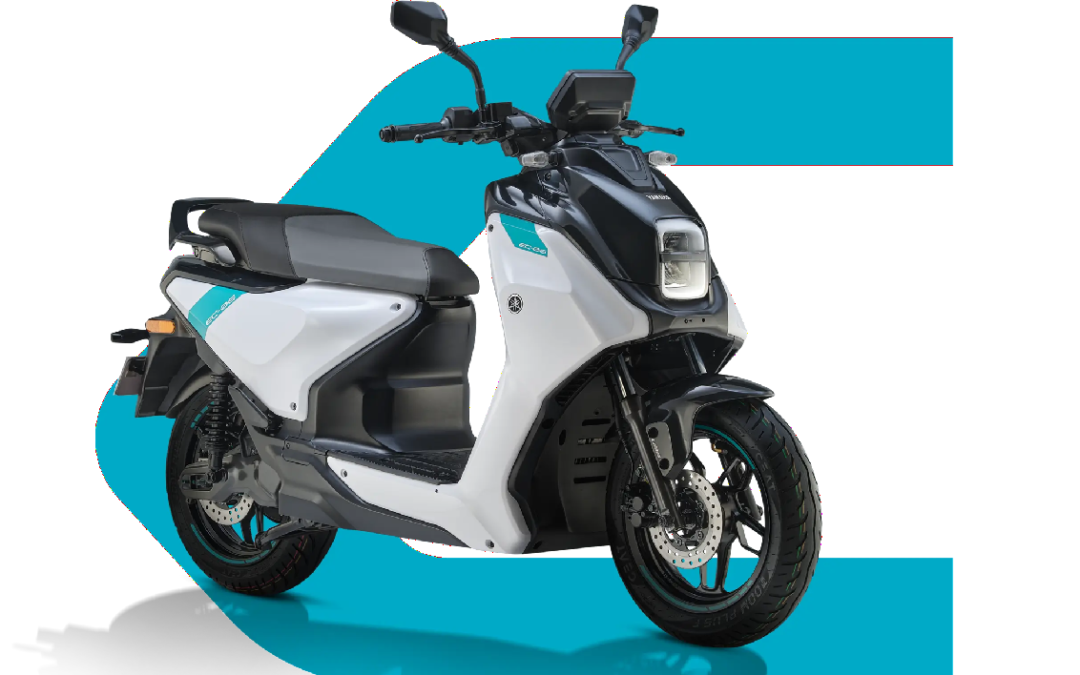
The Yamaha EC-06 is a unique electric scooter that showcased Yamaha’s vision for eco-friendly urban mobility long before electric two-wheelers became popular worldwide. Introduced in Japan in the 1990s, the EC-06 was designed to provide clean, quiet, and efficient transportation for short-distance commuting. Although it was produced in limited numbers, the scooter remains an interesting example of early electric vehicle innovation.
Introduction to Yamaha EC-06
The Yamaha EC-06 was launched in Japan as one of the company’s first commercially available electric scooters. At a time when gasoline-powered scooters dominated the market, Yamaha experimented with battery-powered mobility to address concerns about pollution and rising fuel costs.
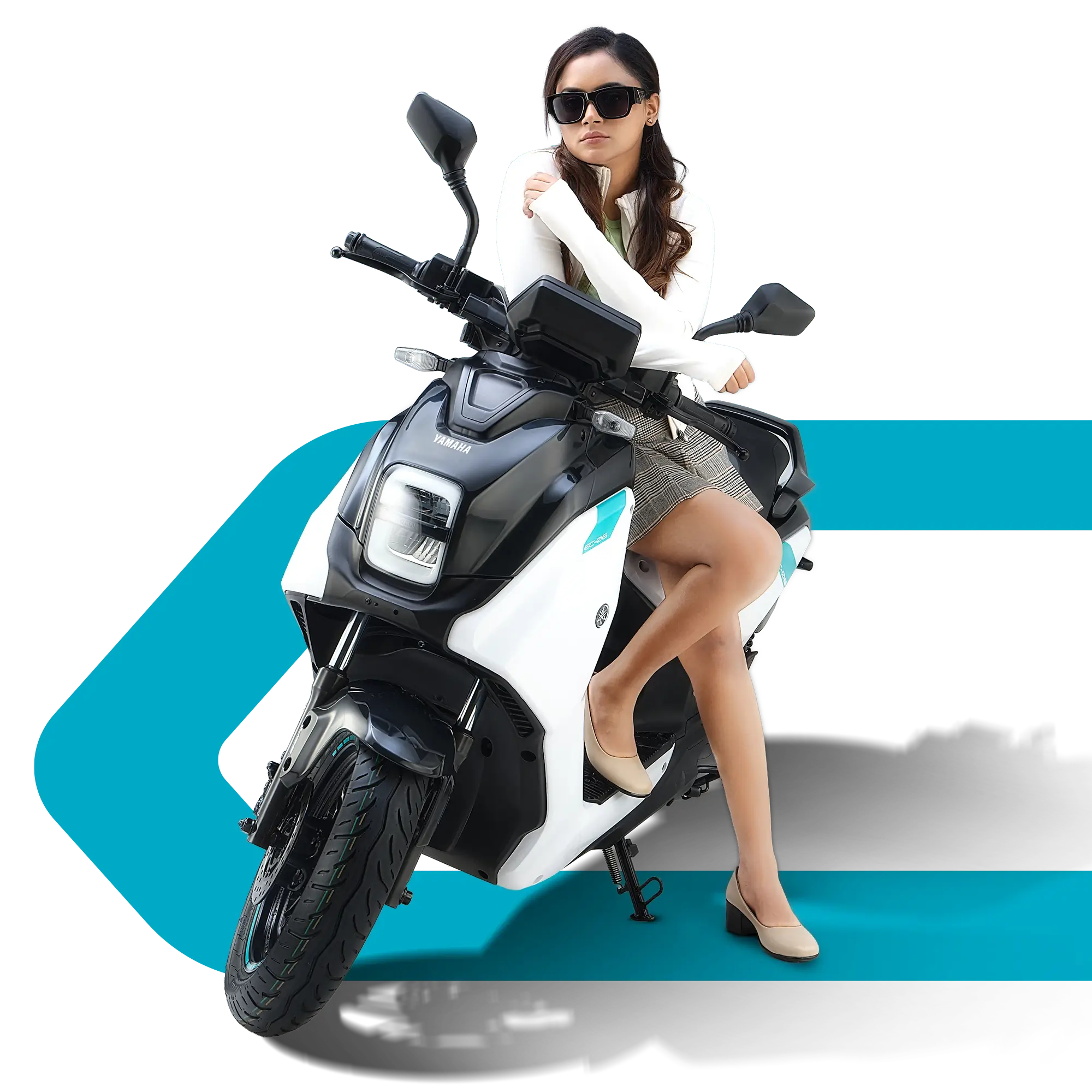
The EC-06 was primarily intended for urban use, offering a lightweight and practical design suitable for city streets. Its simple operation and low maintenance requirements made it attractive for short commutes and everyday errands.
Design and Styling
The Yamaha EC-06 featured a compact and futuristic design compared to conventional scooters of its era. Some notable design characteristics included:
- Lightweight body construction
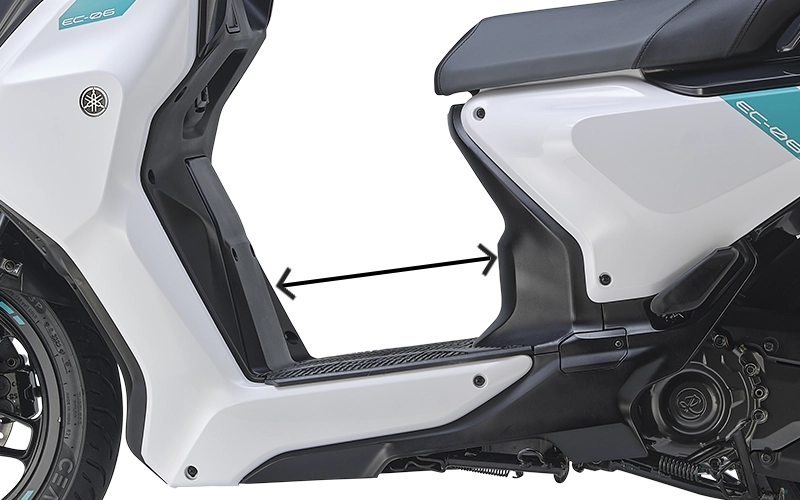
- Step-through frame for easy riding
- Comfortable seat for one rider
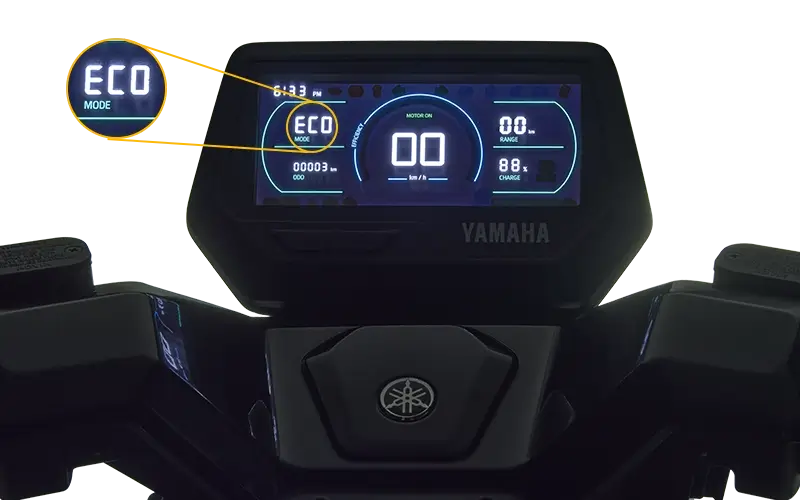
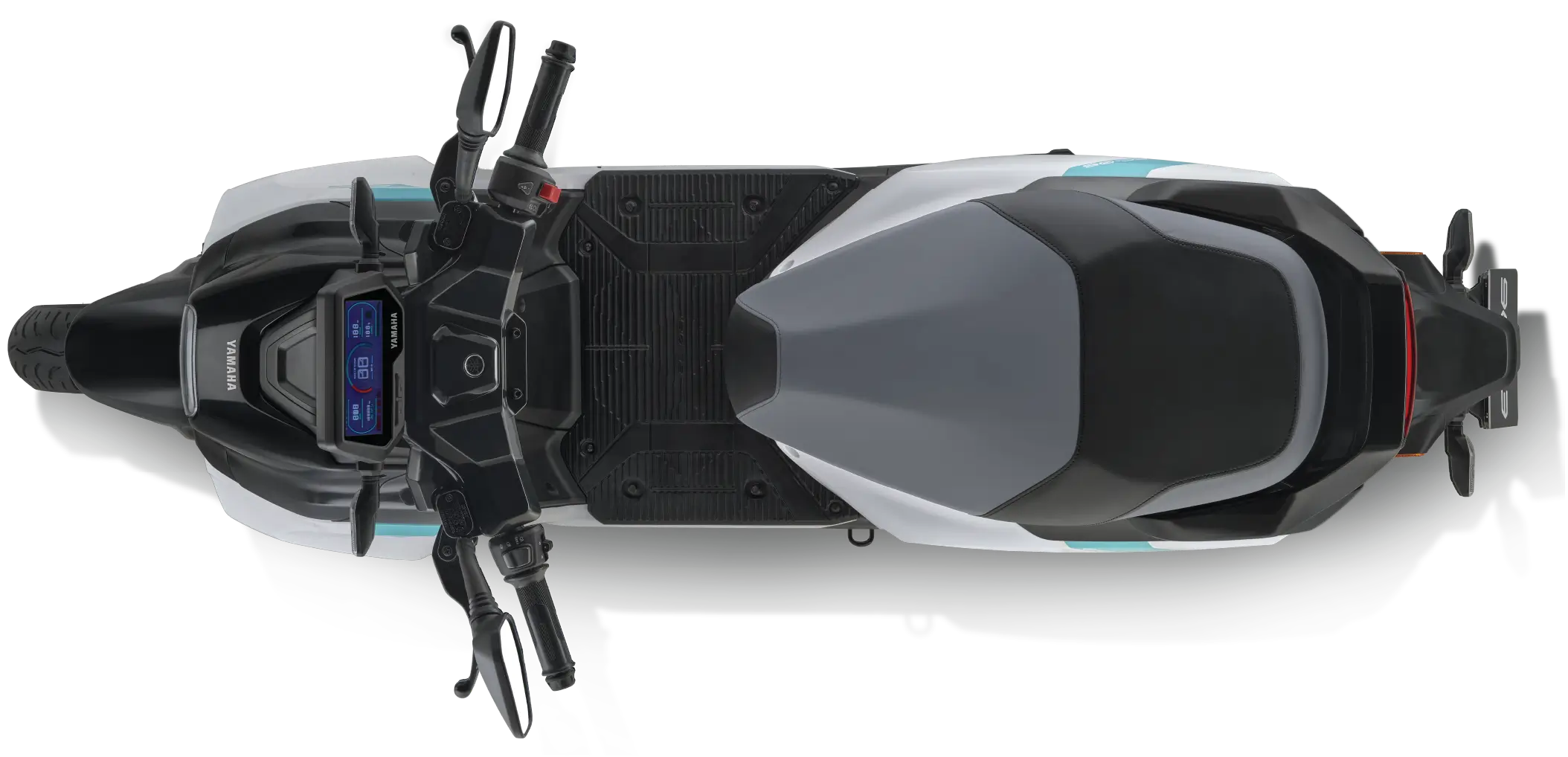
- Minimalistic dashboard
- Compact dimensions for city maneuverability
- Practical storage space
Its small size allowed riders to navigate crowded streets and park easily, making it an ideal solution for urban transportation.
Yamaha EC-06
Electric Powertrain
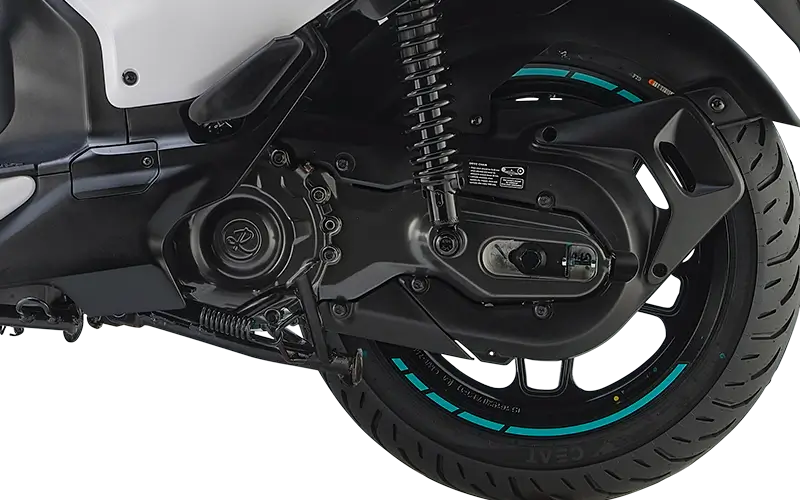
Unlike traditional scooters equipped with internal combustion engines, the Yamaha EC-06 used an electric motor powered by rechargeable batteries.
Key Components
Electric Motor
The scooter was powered by a compact electric motor that delivered smooth and quiet acceleration. Since electric motors produce instant torque, the EC-06 offered responsive performance for city riding.
Rechargeable Battery
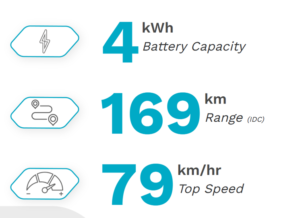
The vehicle relied on rechargeable batteries, which supplied energy to the motor. Battery technology during the 1990s was far less advanced than today’s lithium-ion systems, limiting the scooter’s range and top speed.
Charging System
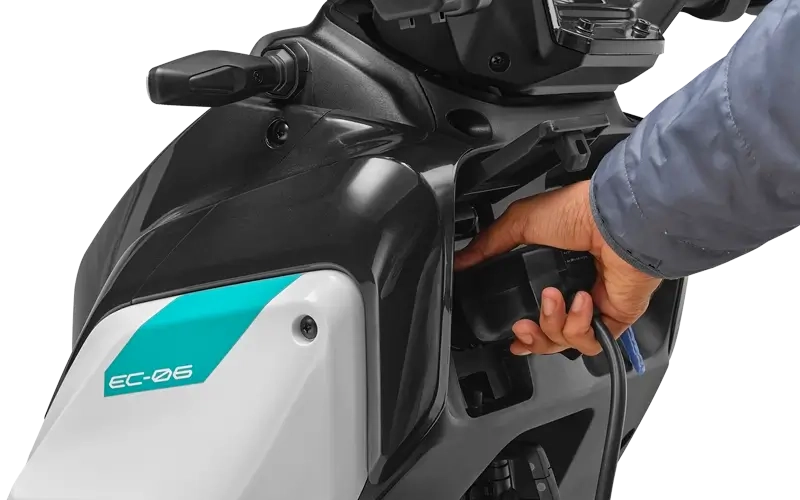
Owners could recharge the battery using a standard electrical outlet. This eliminated the need for fuel stations and contributed to lower running costs.
Performance
The Yamaha EC-06 was designed primarily for short urban journeys rather than high-speed travel. Its performance characteristics focused on practicality and efficiency.
Top Speed
The scooter offered a moderate top speed suitable for neighborhood roads and city traffic. It was intended for comfortable and safe commuting rather than highway riding.
Range
Battery limitations meant the EC-06 had a relatively short riding range compared to modern electric scooters. However, for daily errands and short-distance travel, it served its purpose effectively.
Quiet Operation
One of the biggest advantages of the EC-06 was its extremely quiet operation. Riders could travel with minimal noise, contributing to reduced noise pollution in urban areas.
Major Features
Several features made the Yamaha EC-06 innovative for its time:
Environment-Friendly Mobility
Because it produced no tailpipe emissions, the scooter represented an early effort toward sustainable transportation.
Low Maintenance
Electric scooters contain fewer moving parts than gasoline-powered models. As a result, maintenance requirements were significantly lower.
Easy Riding Experience
The automatic transmission and simple controls made the EC-06 suitable for beginners and experienced riders alike.
Lightweight Construction
The compact frame enhanced maneuverability and ease of handling.
Cost Efficiency
Electric charging costs were lower than fuel expenses, helping owners save money over time.
Advantages of Yamaha EC-06
1. Zero Exhaust Emissions
The electric powertrain eliminated harmful exhaust gases, making the scooter environmentally friendly.
2. Silent Performance
Quiet operation improved riding comfort and reduced urban noise pollution.
3. Lower Operating Costs
Electricity is generally cheaper than gasoline, resulting in lower running expenses.
4. Beginner-Friendly
Simple controls and lightweight construction made the scooter easy to operate.
5. Compact Size
The EC-06 could easily navigate congested city streets and fit into tight parking spaces.
Limitations
Despite its innovative concept, the Yamaha EC-06 faced several challenges.
Limited Battery Technology
Battery performance in the 1990s restricted riding range and charging efficiency.
Modest Speed
The scooter was not intended for long-distance travel or highway use.
Limited Availability
Production numbers were relatively low, making the EC-06 a rare model today.
Longer Charging Time
Charging technology was slower compared to the fast-charging systems available on modern electric scooters.
Historical Importance
The Yamaha EC-06 is considered a pioneer in electric mobility. Although electric vehicles were not mainstream during its production period, Yamaha recognized the potential of battery-powered transportation decades before the global EV boom.
Today, companies around the world are investing heavily in electric scooters, motorcycles, and cars. Many modern electric two-wheelers benefit from advances in battery technology, motor efficiency, and charging infrastructure that were unavailable during the EC-06’s era.
Comparison with Modern Electric Scooters
Modern electric scooters offer:
- Longer riding range
- Faster charging capabilities
- Higher top speeds
- Lightweight lithium-ion batteries
- Smartphone connectivity
- Advanced safety systems
- Digital displays
Despite these improvements, the Yamaha EC-06 deserves recognition for laying the foundation for future electric mobility solutions.
Collectible Value
Because the Yamaha EC-06 was produced in limited numbers, it has become an interesting collector’s item among motorcycle enthusiasts and vintage electric vehicle fans. Well-maintained examples are rare and represent an important chapter in the history of electric transportation.
Conclusion
The Yamaha EC-06 was a visionary electric scooter that demonstrated Yamaha’s commitment to innovation and environmental responsibility. While battery technology of the time limited its performance and range, the EC-06 proved that electric two-wheelers could serve as practical urban transportation.
Today, as electric mobility continues to expand globally, the Yamaha EC-06 stands as a reminder that the journey toward sustainable transportation began decades ago. Its pioneering design and forward-thinking concept make it an important milestone in the evolution of electric scooters and a fascinating piece of Yamaha’s engineering history.