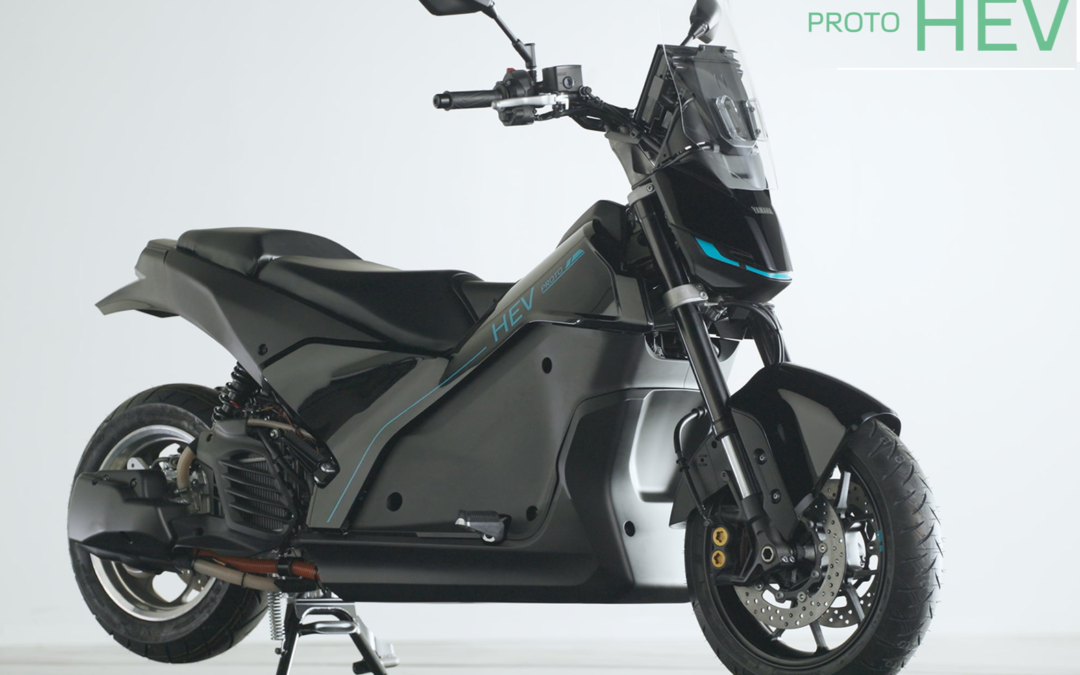
The motorcycle industry is rapidly evolving, and manufacturers are increasingly focusing on sustainable mobility solutions. Among the latest innovations, the Yamaha PROTO HEV has attracted attention for introducing advanced hybrid technology to two-wheelers. Developed by Yamaha, this concept combines the strengths of traditional internal combustion engines with electric power to deliver improved efficiency, performance, and riding pleasure.
What Is Yamaha PROTO HEV?
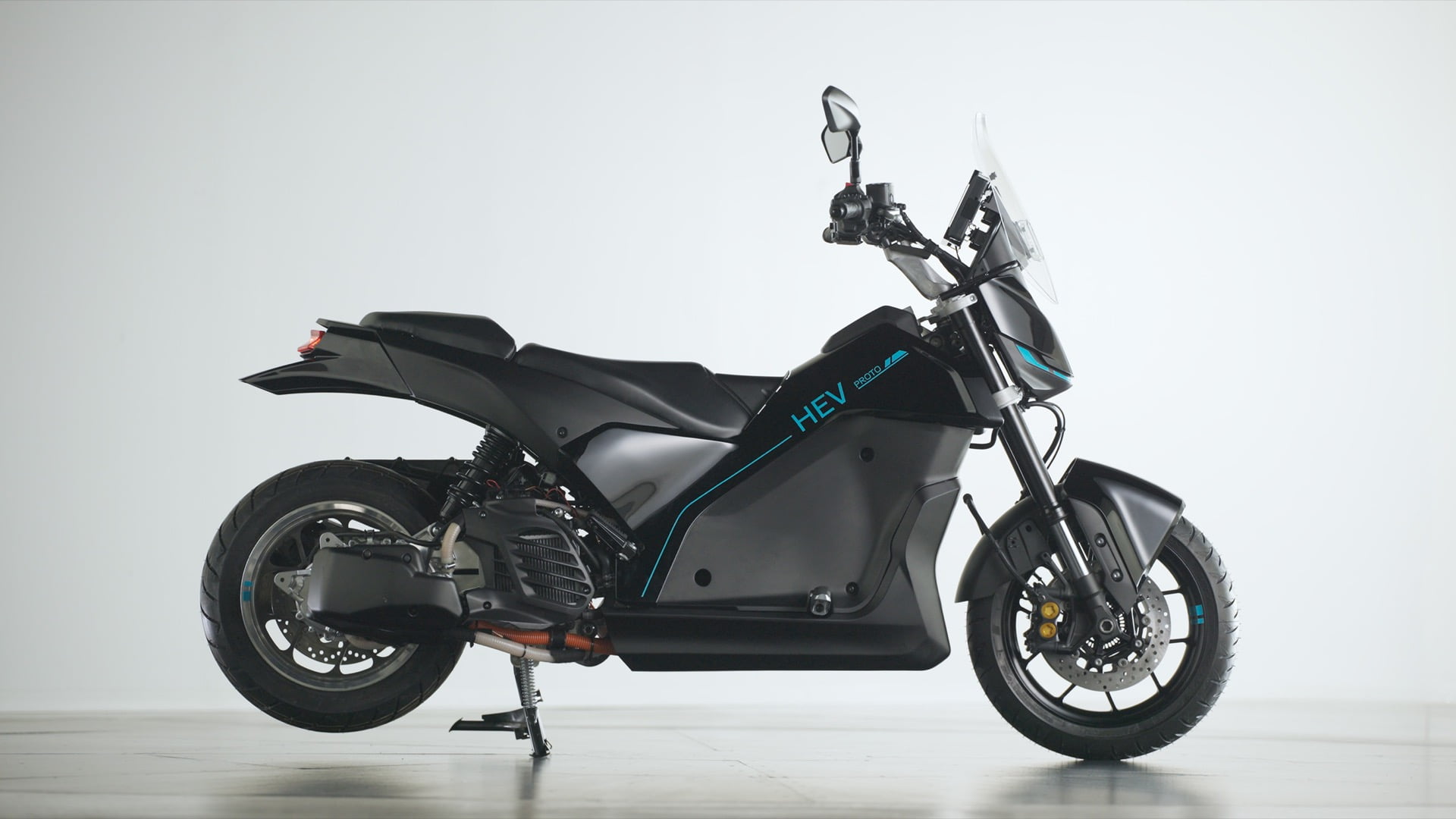
The Yamaha PROTO HEV is a prototype hybrid motorcycle developed by Yamaha Motor Company. The term HEV stands for Hybrid Electric Vehicle, indicating that the motorcycle uses both a gasoline engine and electric motors to provide power.
Unlike conventional motorcycles that rely solely on internal combustion engines, the PROTO HEV integrates electric assistance to enhance acceleration, fuel economy, and overall riding efficiency. The project represents Yamaha’s commitment to reducing emissions while maintaining the excitement and performance riders expect.
Yamaha’s Vision for Hybrid Mobility
As governments and consumers around the world seek cleaner transportation options, manufacturers are exploring various electrification technologies. Yamaha believes hybrid systems can serve as a practical bridge between traditional fuel-powered motorcycles and fully electric bikes.
Hybrid motorcycles offer several advantages:
- Better fuel efficiency.
- Reduced emissions.
- Enhanced acceleration.
- Extended riding range.
- Less dependence on charging infrastructure.
The Yamaha PROTO HEV demonstrates how hybrid technology can be adapted specifically for two-wheelers without compromising performance.
Key Features of Yamaha PROTO HEV
1. Hybrid Powertrain
The most notable feature of the Yamaha PROTO HEV is its hybrid powertrain. It combines:
- A gasoline engine.
- Electric motors.
- Battery system.
- Intelligent power management unit.
These components work together to provide optimal power delivery under different riding conditions.
2. Electric Assist Technology
During acceleration and low-speed riding, electric motors provide additional torque. This helps improve responsiveness and creates smoother power delivery.
Electric assistance can also reduce fuel consumption, especially in urban traffic conditions where frequent stopping and starting are common.
3. Automatic Power Switching
The motorcycle intelligently switches between engine power and electric assistance depending on speed, throttle input, and riding demands.
This seamless transition allows riders to enjoy improved efficiency without needing to manually change operating modes.
4. Enhanced Performance
Hybrid systems are not just about fuel savings. Yamaha designed the PROTO HEV to deliver strong acceleration and engaging performance. Electric motors provide instant torque, making overtaking and city riding easier.
5. Regenerative Energy Management
Hybrid systems often utilize regenerative technology to recover energy during deceleration or braking. This energy is stored in the battery and later used to assist the engine, maximizing overall efficiency.
How Does the Yamaha PROTO HEV Work?
The Yamaha PROTO HEV uses multiple power sources that work together depending on riding conditions.
Low-Speed Operation
At lower speeds, the electric motor assists the motorcycle, reducing fuel consumption and providing smooth acceleration.
Medium-Speed Cruising
The gasoline engine becomes the primary source of power while the electric system supplements performance when necessary.
High-Power Acceleration
When maximum power is required, both the engine and electric motors operate together. This combination delivers stronger acceleration and improved riding dynamics.
Deceleration
During braking or slowing down, energy recovery systems help recharge the battery, improving efficiency and reducing waste.
Advantages of Hybrid Motorcycles
Better Fuel Economy
One of the biggest benefits of hybrid technology is reduced fuel consumption. Electric assistance decreases the load on the engine, allowing riders to travel longer distances with less fuel.
Lower Emissions
Hybrid systems produce fewer emissions compared to traditional motorcycles, helping meet stricter environmental regulations.
Improved Performance
Electric motors provide immediate torque, making acceleration smoother and quicker.
Reduced Range Anxiety
Unlike fully electric motorcycles that depend entirely on charging stations, hybrid motorcycles still utilize fuel engines, offering greater range and convenience.
Practical Transition to Electrification
Hybrid motorcycles serve as a middle ground between conventional and fully electric vehicles, making them attractive to riders who are not yet ready to switch completely to battery-powered motorcycles.
Challenges Facing Hybrid Motorcycles
Although hybrid technology offers many benefits, there are several challenges manufacturers must address:
Increased Complexity
Hybrid systems involve more components, including batteries, electric motors, and control systems. This increases engineering complexity.
Additional Weight
Battery packs and electric components can add weight, potentially affecting handling and agility.
Higher Production Costs
Advanced hybrid technology may result in higher manufacturing costs, which can influence the final price of the motorcycle.
Maintenance Requirements
Hybrid systems require specialized maintenance and expertise, which may initially limit servicing options.
Yamaha’s Commitment to Innovation
Yamaha has long been known for producing innovative motorcycles that combine performance with reliability. The development of the PROTO HEV highlights the company’s commitment to exploring environmentally friendly technologies without sacrificing riding enjoyment.
As emission standards continue to tighten worldwide, hybrid technology could become increasingly important in Yamaha’s future lineup.
Could Yamaha PROTO HEV Reach Production?
The Yamaha PROTO HEV currently remains a prototype, and Yamaha has not officially confirmed production plans. However, the concept demonstrates that hybrid motorcycles are technically feasible and could become more common in the coming years.
Several factors will determine whether hybrid motorcycles enter mass production:
- Consumer demand.
- Battery advancements.
- Cost reduction.
- Government regulations.
- Charging infrastructure development.
- Market acceptance.
If these factors align, hybrid motorcycles could represent a significant step toward sustainable mobility.
The Future of Hybrid Two-Wheelers
The motorcycle industry is undergoing a major transformation. Manufacturers are experimenting with electric, hydrogen, and hybrid technologies to meet future transportation needs.
Hybrid motorcycles like the Yamaha PROTO HEV offer an appealing solution because they provide:
- Familiar riding experience.
- Improved fuel efficiency.
- Reduced emissions.
- Strong performance.
- Long-distance capability.
As technology advances, hybrid systems may become lighter, more efficient, and more affordable.
Conclusion
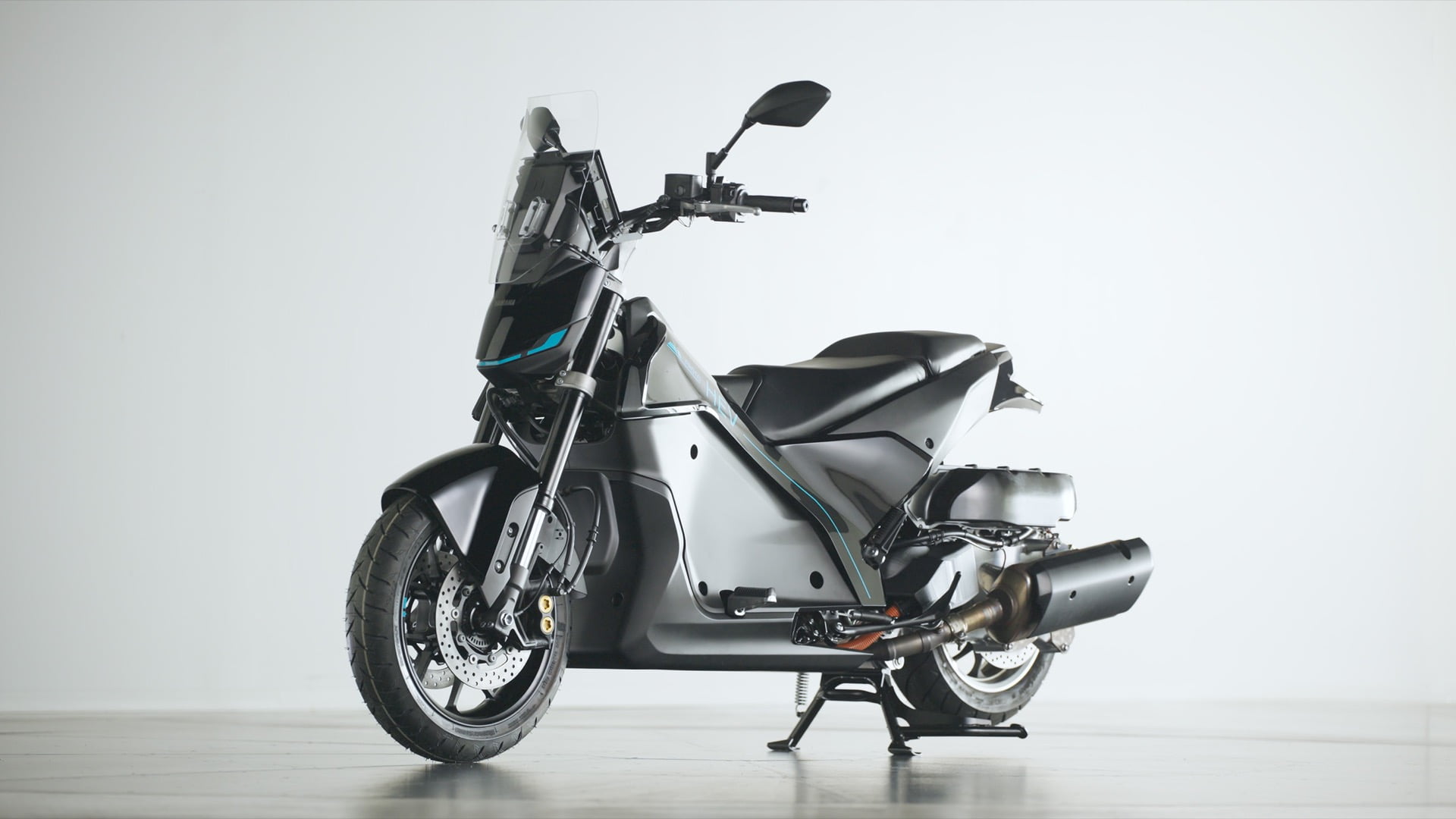
The Yamaha PROTO HEV represents an exciting glimpse into the future of motorcycling. By combining internal combustion power with electric assistance, Yamaha aims to deliver a balance of efficiency, performance, and environmental responsibility.
Although still a prototype, the PROTO HEV showcases how hybrid technology could reshape two-wheel transportation. For riders seeking better fuel economy without giving up the thrill of motorcycling, Yamaha’s hybrid approach may offer the perfect bridge between today’s gasoline-powered machines and tomorrow’s fully electric future.
As the industry moves toward cleaner mobility, innovations like the Yamaha PROTO HEV could play a crucial role in defining the next generation of motorcycles.
Xe Tay Ga: The Modern Scooter Revolution Explained
Electric Auto: The Future of Sustainable Urban Transportation