
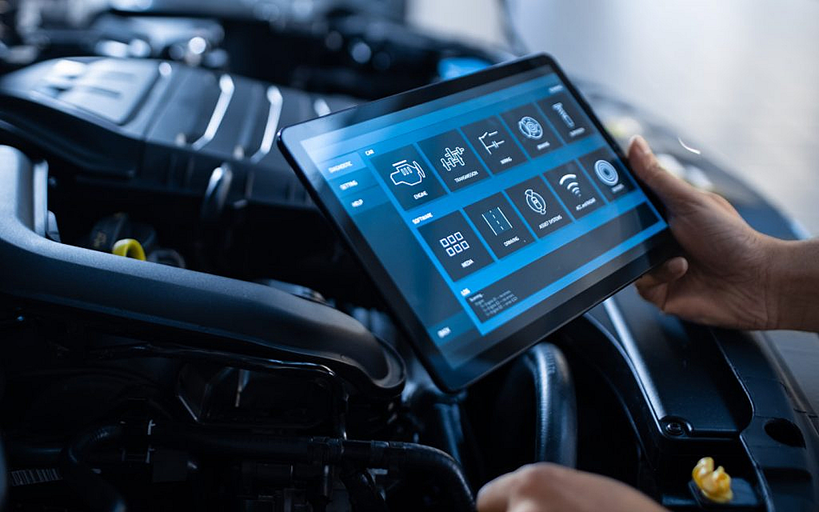
Car diagnostic tools have become an essential part of modern vehicle maintenance. With vehicles becoming more advanced and electronically controlled, diagnosing problems manually is no longer practical. Whether you are a professional mechanic, car enthusiast, or vehicle owner, understanding car diagnostic tools can help you maintain your vehicle efficiently, reduce repair costs, and improve safety.
What Are Car Diagnostic Tools?
Car diagnostic tools are electronic devices used to communicate with a vehicle’s onboard computer system. These tools help detect issues related to engine performance, emissions, transmission, braking systems, and other electronic components.
Modern vehicles are equipped with an onboard diagnostic system known as OBD (On-Board Diagnostics). Most vehicles manufactured after the mid-1990s use OBD-II, a standardized system that monitors vehicle performance and reports error codes when problems occur.
When a warning light appears on the dashboard—especially the Check Engine Light—a diagnostic tool can read the error code and identify the underlying problem.
How Car Diagnostic Tools Work
Car diagnostic tools connect to a vehicle through the OBD-II port, usually located under the dashboard near the driver’s seat.
Here is how they work step-by-step:
- The tool connects to the vehicle’s OBD-II port.
- It communicates with the vehicle’s computer system.
- The system retrieves stored Diagnostic Trouble Codes (DTCs).
- The tool displays the error codes and related data.
- The user interprets the codes to identify the problem.
- Repairs are performed based on the diagnosis.
Some advanced diagnostic tools also display real-time data, such as engine temperature, fuel system status, and sensor readings.
Types of Car Diagnostic Tools
Car diagnostic tools come in different types depending on user needs and complexity.
1. Basic Code Readers
Basic code readers are entry-level tools designed to read and clear error codes.
Key Features:
- Reads basic error codes
- Clears warning lights
- Simple interface
- Affordable price
Best For:
- Individual car owners
- Beginners
- Basic maintenance tasks
These tools are useful for identifying simple issues before visiting a mechanic.
2. OBD-II Scanners
OBD-II scanners are more advanced than basic code readers. They provide additional information and live data.
Key Features:
- Reads generic and manufacturer-specific codes
- Displays live engine data
- Monitors emissions performance
- Freeze-frame data recording
Best For:
- Car enthusiasts
- DIY mechanics
- Small repair workshops
They are widely used because they provide deeper insights into vehicle health.
3. Professional Diagnostic Tools
Professional diagnostic tools are used by certified technicians and auto repair shops.
Key Features:
- Full system scanning
- Advanced troubleshooting functions
- ECU programming capabilities
- ABS and airbag diagnostics
- Transmission analysis
Best For:
- Automotive workshops
- Professional mechanics
- Service centers
These tools are more expensive but offer powerful diagnostic capabilities.
4. Bluetooth Diagnostic Tools
Bluetooth diagnostic tools connect to smartphones or tablets using wireless technology.
Key Features:
- Wireless connectivity
- Mobile app compatibility
- Real-time data display
- Portable and convenient
Best For:
- Smartphone users
- DIY vehicle owners
- Quick vehicle checks
They are becoming increasingly popular due to ease of use and affordability.
Key Features to Look for in a Car Diagnostic Tool
When selecting a car diagnostic tool, consider the following features:
Vehicle Compatibility
Ensure the tool supports your vehicle’s make, model, and year. Most modern tools support vehicles manufactured after 1996 using OBD-II systems.
Real-Time Data Monitoring
Live data monitoring helps users view sensor readings and engine performance in real time.
Code Database
A built-in code database provides explanations for error codes, making troubleshooting easier.
Software Updates
Choose tools that offer regular software updates to support new vehicle models and features.
Ease of Use
User-friendly interfaces, clear displays, and guided diagnostics improve efficiency and usability.
Connectivity Options
Some tools support:
- USB
- Bluetooth
- Wi-Fi
Wireless connectivity increases convenience and flexibility.
Benefits of Using Car Diagnostic Tools
Car diagnostic tools offer several advantages for both vehicle owners and professionals.
Early Problem Detection
Diagnostic tools identify problems before they become severe, reducing repair costs and preventing breakdowns.
Cost Savings
By detecting issues early, users can avoid expensive repairs and unnecessary part replacements.
Improved Vehicle Performance
Monitoring engine and system performance ensures smooth operation and better fuel efficiency.
Enhanced Safety
Timely detection of faults in braking systems, airbags, and sensors improves vehicle safety.
Faster Repairs
Mechanics can diagnose issues quickly, reducing repair time and improving customer satisfaction.
Common Problems Detected by Diagnostic Tools
Car diagnostic tools can detect a wide range of vehicle issues, including:
- Engine misfires
- Faulty oxygen sensors
- Fuel system problems
- Transmission errors
- ABS system faults
- Airbag malfunctions
- Battery and charging system issues
- Emission control failures
These tools provide valuable information that helps technicians perform accurate repairs.
Car Diagnostic Tools for DIY Users
Many vehicle owners now prefer DIY maintenance to save money and learn about their vehicles.
Popular DIY uses include:
- Checking the cause of the Check Engine Light
- Monitoring fuel efficiency
- Tracking engine performance
- Clearing minor fault codes
- Preparing for vehicle inspections
Bluetooth OBD-II scanners are especially useful for DIY users because they integrate with mobile apps and provide easy-to-understand data.
Professional Use of Car Diagnostic Tools
Professional workshops rely heavily on advanced diagnostic tools to service modern vehicles.
Professional applications include:
- Full system diagnostics
- ECU programming
- Resetting service indicators
- Performing advanced troubleshooting
- Conducting emission testing
- Calibrating vehicle sensors
Without these tools, diagnosing modern vehicles would be extremely difficult due to complex electronics.
Maintenance Tips for Car Diagnostic Tools
To ensure reliable performance, diagnostic tools require proper maintenance.
Tips include:
- Store the tool in a dry and clean environment
- Update software regularly
- Avoid exposure to extreme temperatures
- Handle connectors carefully
- Use compatible cables and accessories
Proper maintenance increases tool lifespan and accuracy.
Future Trends in Car Diagnostic Technology
The automotive industry is evolving rapidly, and diagnostic tools are becoming smarter and more connected.
AI-Powered Diagnostics
Artificial intelligence is being integrated into diagnostic tools to predict failures and recommend repair solutions automatically.
Cloud Connectivity
Cloud-based diagnostics allow technicians to store and access vehicle data remotely.
Remote Vehicle Monitoring
Vehicle owners can monitor performance and receive alerts through mobile apps.
Integration with Electric Vehicles (EVs)
As electric vehicles become more common, diagnostic tools are adapting to support battery systems and electric drivetrains.
These innovations will make vehicle maintenance more efficient and accessible.
Choosing the Right Car Diagnostic Tool
Selecting the right diagnostic tool depends on your needs and budget.
For Beginners:
Choose a basic code reader for simple diagnostics.
For DIY Mechanics:
Use an OBD-II scanner with live data and mobile connectivity.
For Professionals:
Invest in advanced multi-system diagnostic tools with software update support.
Consider the vehicle types you work with and the level of detail required.
Conclusion
Car diagnostic tools have transformed vehicle maintenance by making it easier to detect and fix problems quickly and accurately. From simple code readers to advanced professional systems, these tools help ensure vehicles remain safe, efficient, and reliable.
As automotive technology continues to advance, diagnostic tools will play an even more critical role in maintaining modern vehicles. Whether you are a car owner looking to monitor vehicle health or a technician working in an automotive workshop, investing in the right car diagnostic tool is a smart step toward efficient vehicle care and long-term performance.