
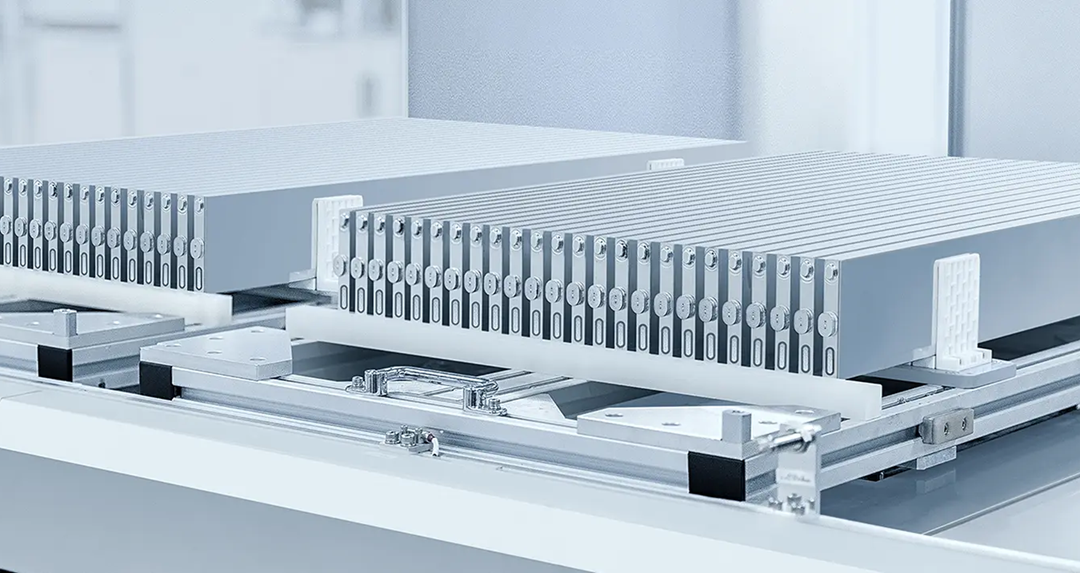
Electric vehicles (EVs) are transforming the global automotive industry, and battery technology plays a central role in this shift. One of the most talked-about innovations in recent years is the Blade Battery, developed by BYD Company. Known for its improved safety, long lifespan, and efficient design, the Blade Battery is widely considered a major breakthrough in lithium battery technology.
What Is a Blade Battery?
A Blade Battery is a type of lithium iron phosphate (LFP) battery designed with a long, thin structure resembling a blade. Unlike traditional battery packs that use multiple small cylindrical or pouch cells, Blade Batteries use elongated cells arranged directly into the battery pack.
The technology was introduced by BYD Company in 2020 as part of its effort to improve electric vehicle safety and energy efficiency. The Blade Battery design reduces the complexity of battery packs and increases the amount of usable space inside the vehicle.
This innovative approach helps overcome some of the common problems associated with traditional lithium-ion batteries, such as overheating and fire risk.
How Does a Blade Battery Work?
Blade Batteries are based on lithium iron phosphate (LFP) chemistry, which is known for its stability and safety. The main difference lies in the physical structure and arrangement of the battery cells.
Here is how it works:
- Long Blade-Shaped Cells
Instead of small battery cells, Blade Batteries use long rectangular cells. These cells are inserted directly into the battery pack without additional modules. - Cell-to-Pack Design
Traditional batteries use modules between cells and packs. Blade Batteries remove these modules, allowing more cells to fit into the same space. - Improved Heat Dissipation
The blade structure allows heat to spread evenly across the battery, reducing the risk of overheating. - Efficient Space Utilization
The compact arrangement increases energy density at the pack level, making the battery more efficient.
This design improves safety, durability, and overall performance.
Key Features of Blade Battery Technology
Blade Batteries offer several innovative features that distinguish them from conventional EV batteries.
1. High Safety Standards
Safety is one of the biggest advantages of Blade Batteries. They are designed to withstand extreme conditions without catching fire.
One of the most important safety tests is the nail penetration test, which simulates internal short circuits. According to testing results released by BYD Company, the Blade Battery did not emit smoke or flames during this test, making it one of the safest EV batteries available.
2. Longer Lifespan
Blade Batteries are built using LFP chemistry, which typically offers:
- Up to 3,000–5,000 charge cycles
- A lifespan of 8–10 years or more
- Reduced battery degradation over time
This makes them ideal for long-term vehicle use.
3. High Structural Strength
The blade-shaped cells also provide structural support to the vehicle battery pack. This increases the durability of the system and enhances vehicle safety during impacts.
4. Space Efficiency
By removing intermediate modules, Blade Batteries can use available space more efficiently. This allows manufacturers to install larger battery capacities without increasing vehicle size.
5. Fast Charging Capability
Although LFP batteries traditionally charge slower than other lithium-ion types, modern Blade Battery systems support fast-charging technology, making them practical for everyday use.
Advantages of Blade Battery Technology
Blade Batteries offer numerous benefits that make them highly attractive for electric vehicles.
Enhanced Safety
Compared to conventional lithium-ion batteries, Blade Batteries are less likely to overheat or catch fire. Their stable chemistry and improved cooling make them safer in extreme conditions.
Lower Manufacturing Costs
LFP batteries use iron and phosphate, which are cheaper and more widely available than cobalt and nickel used in many traditional batteries.
This helps reduce overall production costs, making EVs more affordable.
Environmentally Friendly
Blade Batteries avoid the use of cobalt, a material associated with environmental and ethical concerns in mining.
This makes them more sustainable and environmentally responsible.
Improved Battery Packaging
The simplified structure improves manufacturing efficiency and reduces system weight.
Long-Term Reliability
Their long cycle life makes them suitable for:
- Passenger electric vehicles
- Electric buses
- Commercial fleets
- Energy storage systems
Limitations of Blade Batteries
Despite their advantages, Blade Batteries also have some limitations.
Lower Energy Density Than Some Lithium Batteries
Blade Batteries generally have lower energy density compared to nickel-based lithium-ion batteries. This means:
- Slightly shorter driving range in some cases
- Larger battery size needed for the same capacity
However, ongoing research continues to improve this aspect.
Performance in Cold Temperatures
Like most LFP batteries, Blade Batteries may experience reduced efficiency in extremely cold climates.
This can affect charging speed and driving range in winter conditions.
Charging Infrastructure Dependency
Fast charging benefits depend heavily on available infrastructure. Without compatible fast chargers, charging times may be longer.
Vehicles Using Blade Battery Technology
Several modern electric vehicles use Blade Battery technology.
One of the most notable examples is:
- BYD Han EV
- BYD Atto 3
- BYD Seal
These vehicles demonstrate the practical application of Blade Battery systems in real-world conditions.
As electric mobility expands globally, more automakers are expected to adopt similar battery designs.
Blade Battery vs Traditional Lithium-Ion Battery
Understanding how Blade Batteries compare to traditional lithium-ion batteries helps clarify their value.
Safety
Blade Batteries are safer due to their stable chemistry and efficient heat management.
Cost
They are cheaper to produce because they use widely available materials.
Energy Density
Traditional lithium-ion batteries often provide higher energy density but at higher cost.
Durability
Blade Batteries typically last longer due to better resistance to degradation.
Environmental Impact
Blade Batteries are more eco-friendly due to the absence of cobalt.
Overall, Blade Batteries prioritize safety and reliability over maximum energy density.
Future of Blade Battery Technology
The future of Blade Battery technology looks promising as demand for electric vehicles continues to grow worldwide.
Companies like BYD Company are investing heavily in:
- Improving energy density
- Reducing charging time
- Enhancing thermal management
- Expanding production capacity
Blade Battery technology is also expected to be used in:
- Electric trucks
- Public transportation systems
- Renewable energy storage
- Smart grid solutions
As governments promote cleaner transportation, innovations like Blade Batteries will play a key role in accelerating EV adoption.
Why Blade Batteries Matter for Electric Vehicles
Battery safety remains one of the biggest concerns for EV buyers. News reports of battery fires have made consumers cautious about electric vehicle technology.
Blade Batteries address these concerns through:
- Strong safety design
- Stable chemical composition
- Advanced cooling systems
Their reliability makes them especially suitable for urban transportation, where safety and durability are critical.
Additionally, their lower production cost helps make EVs more affordable, supporting wider adoption among everyday users.
Conclusion
Blade Battery technology represents a major step forward in electric vehicle innovation. Developed by BYD Company, it combines safety, durability, efficiency, and cost-effectiveness into a single advanced battery system.
With features like improved thermal stability, long lifespan, and efficient space utilization, Blade Batteries are setting new standards for modern EV battery design. Although they have some limitations, ongoing technological advancements are expected to improve their performance further.
As electric vehicles become more common around the world, Blade Battery technology will likely play a vital role in shaping the future of sustainable transportation.
Car Diagnostic Tools: A Guide for Modern Vehicle Maintenance