
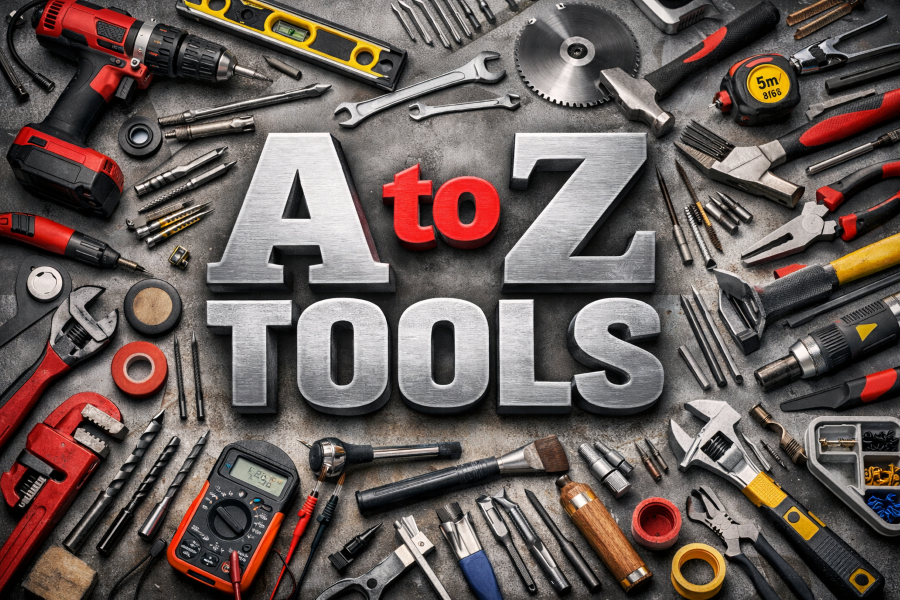
A to Z Tools- Tools play a crucial role in our daily lives, whether in construction, engineering, home improvement, or even digital workspaces. From simple hand tools to advanced power equipment, understanding tools from A to Z can help beginners and professionals alike work more efficiently and safely. This guide explores a wide range of essential tools, their uses, and why they matter.
A – Adjustable Wrench 
An adjustable wrench is one of the most versatile tools in any toolkit. It features a movable jaw, allowing it to fit different sizes of nuts and bolts. This makes it ideal for plumbing work, mechanical repairs, and general maintenance tasks.
B – Bolt Cutter 
Bolt cutters are heavy-duty tools designed to cut through tough materials such as chains, locks, and metal rods. They are commonly used in construction and security work where strength and durability are required.
C – Cordless Drill 
A cordless drill is a must-have power tool for both professionals and DIY enthusiasts. It is used for drilling holes and driving screws. Its portability makes it convenient for working in tight or remote spaces without needing a power outlet.
D – Digital Multimeter 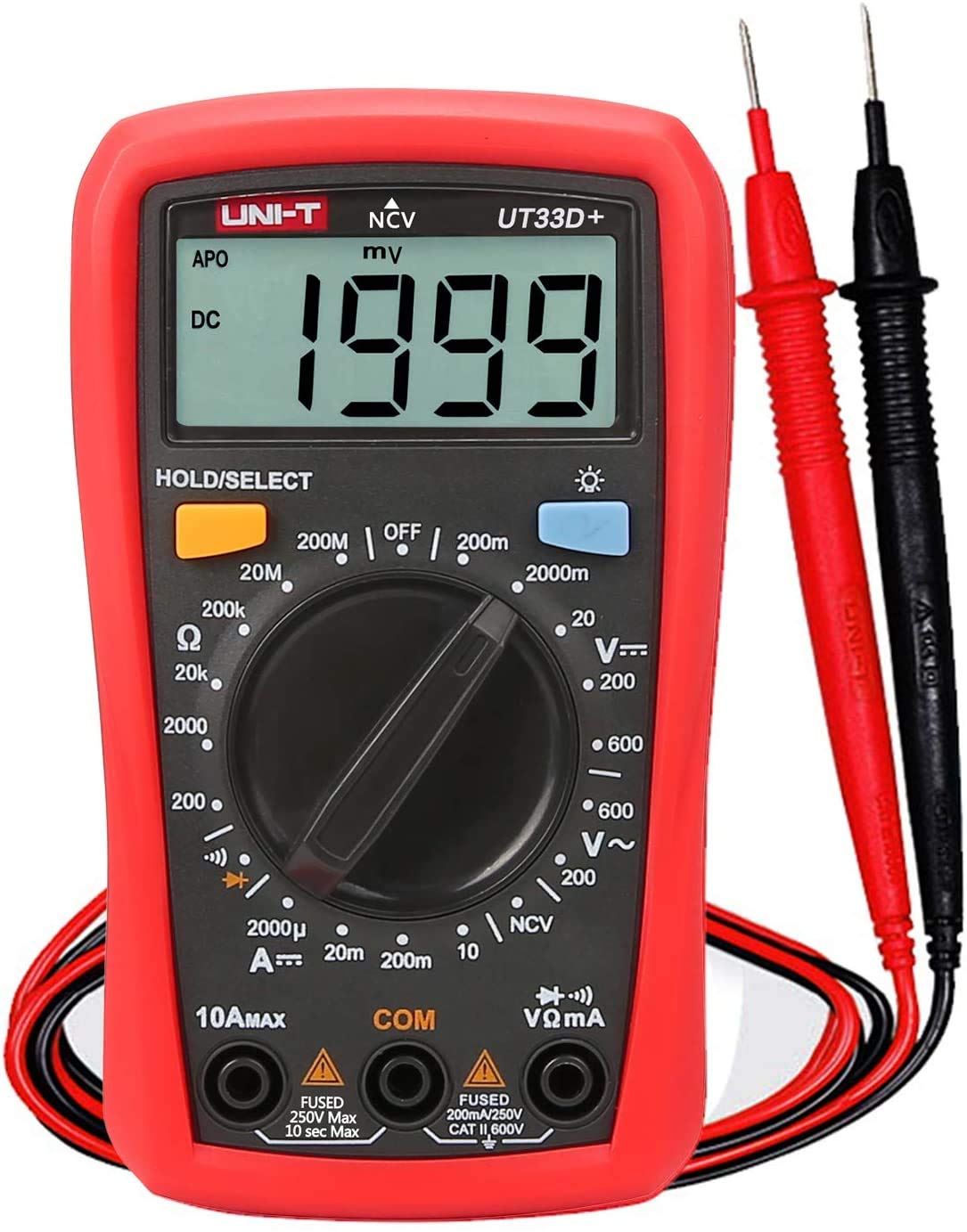
A digital multimeter is an essential tool for electricians and technicians. It measures voltage, current, and resistance, helping diagnose electrical problems quickly and accurately.
E – Electric Saw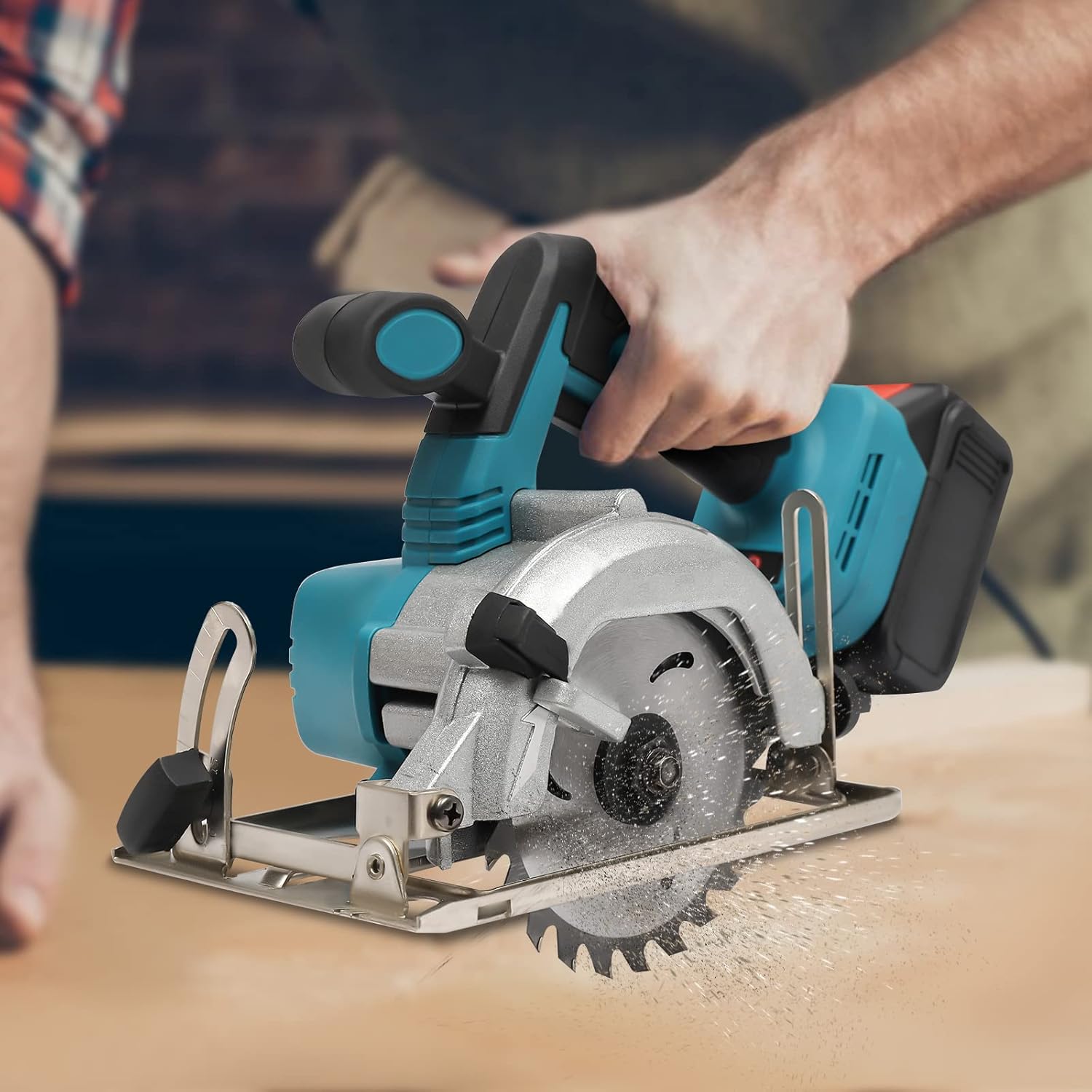
Electric saws, such as circular saws or jigsaws, are used for cutting wood, metal, or plastic. They offer precision and speed, making them ideal for construction and carpentry work.
F – File Tool 
A file is used for smoothing rough edges or shaping materials like metal and wood. It comes in various shapes and sizes, each suited for specific tasks.
G – Grinder 
A grinder is a powerful tool used for cutting, polishing, and grinding materials. Angle grinders are especially popular in metalworking and construction industries.
H – Hammer 
A hammer is one of the most basic yet essential tools. It is used for driving nails, breaking objects, or assembling structures. Different types include claw hammers, sledgehammers, and ball-peen hammers.
I – Impact Driver 
An impact driver is similar to a drill but provides higher torque. It is perfect for driving long screws and bolts into tough materials without stripping them.
J – Jack (Hydraulic Jack) 
A hydraulic jack is used to lift heavy objects, such as vehicles. It is widely used in automotive repair and maintenance.
K – Knife (Utility Knife) 
A utility knife is used for cutting materials like cardboard, plastic, and fabric. It is a simple but highly useful tool for everyday tasks.
L – Laser Level 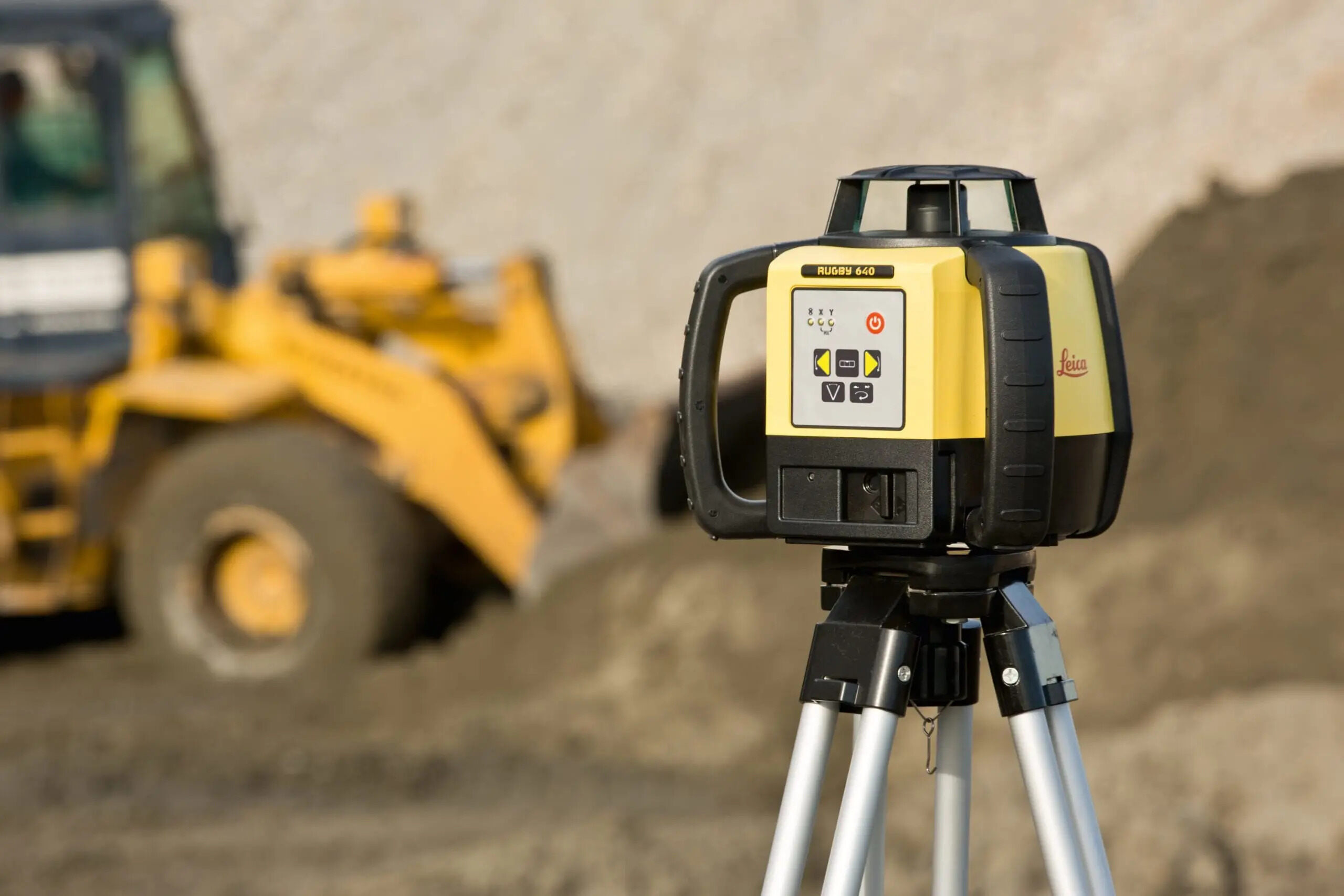
A laser level projects a straight beam of light, helping ensure accurate alignment in construction and interior design work. It improves precision compared to traditional leveling tools.
M – Measuring Tape /builders-metal-tape-measure-close-up-616098101-57b4d45a3df78cd39cce5f5d.jpg)
A measuring tape is essential for accurate measurements in construction, tailoring, and home improvement projects. It ensures precision in cutting and fitting materials.
N – Nail Gun 
A nail gun is a power tool used to drive nails quickly and efficiently. It saves time and effort compared to manual hammering and is widely used in carpentry.
O – Oscillating Tool 
An oscillating tool is a versatile device used for cutting, sanding, scraping, and polishing. Its multi-functionality makes it a favorite among professionals.
P – Pliers ![12 Different Types of Pliers and Their Uses [With Photographs] | Rx ...](https://rxmechanic.com/wp-content/uploads/2020/05/Different-Types-of-Pliers_rxmechanic.jpg)
Pliers are used for gripping, bending, and cutting wires or small objects. Common types include needle-nose pliers, cutting pliers, and locking pliers.
Q – Quick Clamp 
Quick clamps are used to hold materials firmly in place while working. They are especially useful in woodworking and crafting projects.
R – Ratchet Wrench 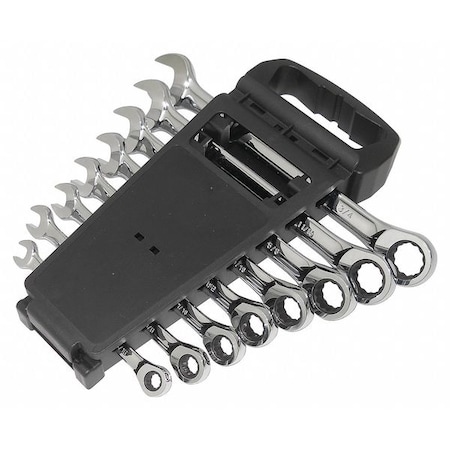
A ratchet wrench allows continuous motion in one direction without removing the tool from the bolt. It is widely used in automotive and mechanical work.
S – Screwdriver 
Screwdrivers are basic tools used to tighten or loosen screws. They come in various types such as flathead, Phillips, and Torx, each designed for specific screw heads.
T – Torque Wrench 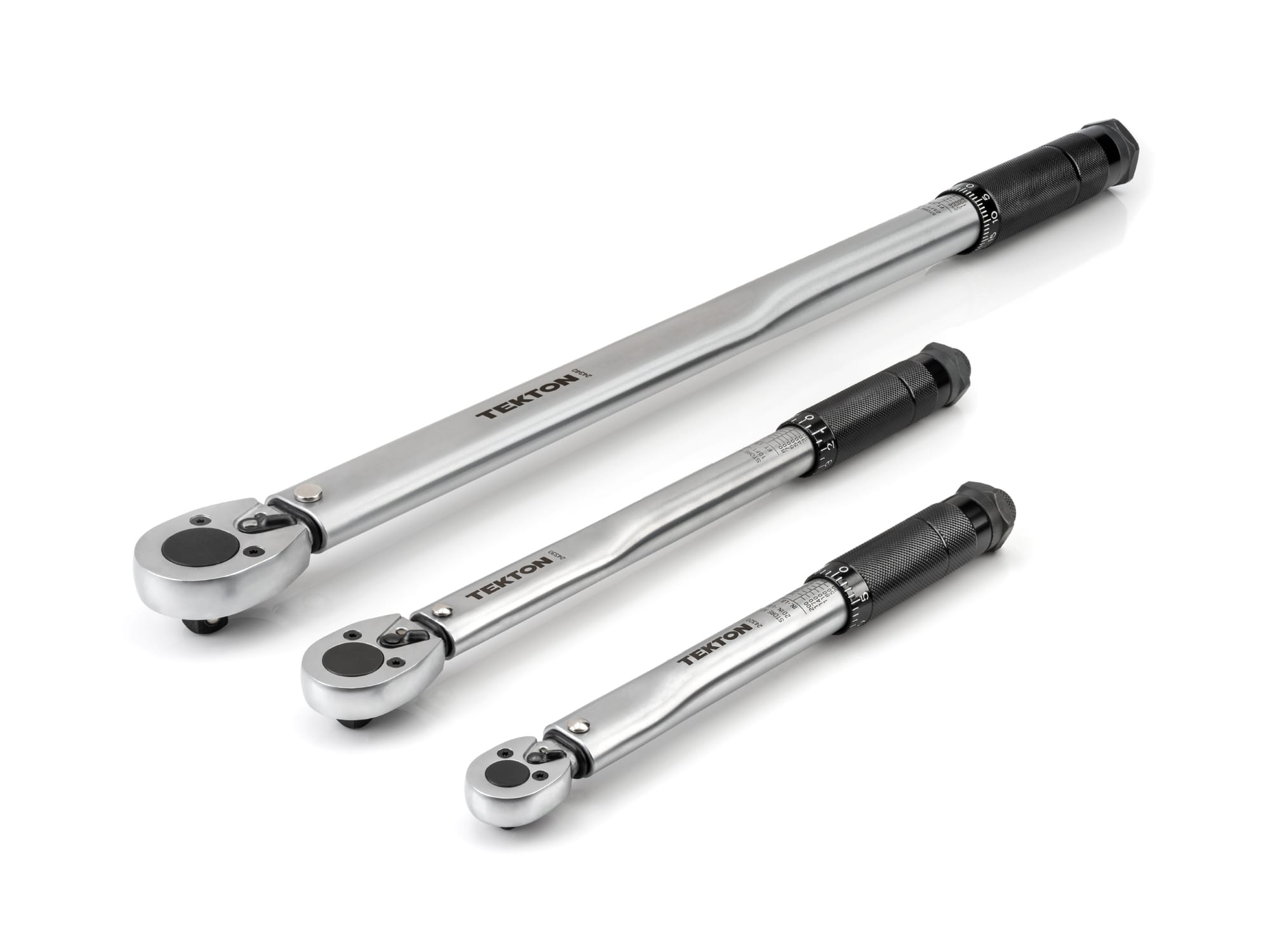
A torque wrench is used to apply a specific amount of force to a bolt or nut. It is crucial in automotive and engineering applications where precision is important.
U – Utility Cart 
A utility cart helps transport tools and materials efficiently. It is commonly used in workshops, warehouses, and construction sites.
V – Vice (Bench Vice) 
A vice is a mechanical tool used to hold objects securely in place. It is mounted on a workbench and is essential for tasks requiring stability.
W – Welding Machine 
A welding machine is used to join metals together using heat. It is widely used in construction, manufacturing, and repair work.
X – X-Acto Knife 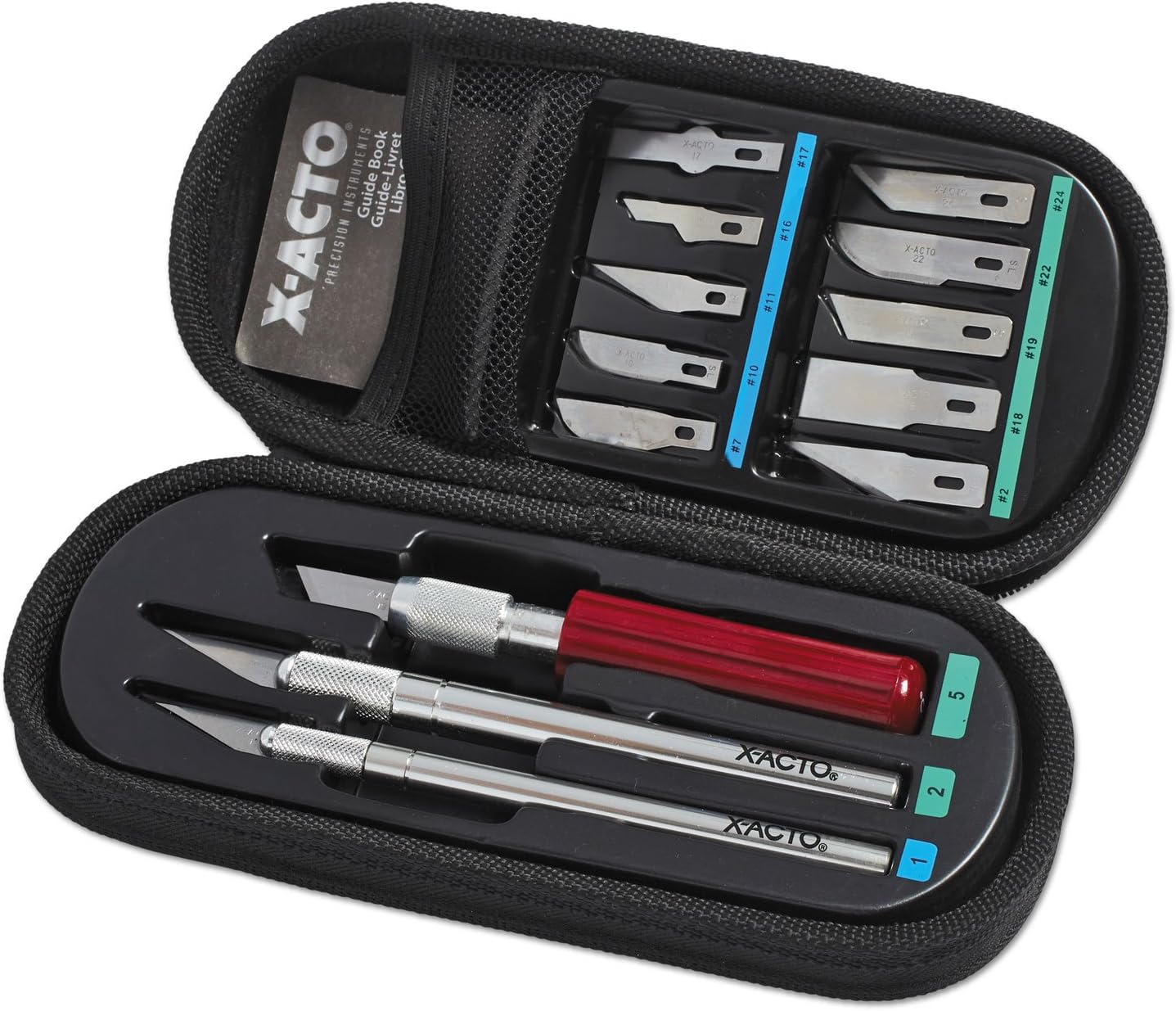
An X-Acto knife is a precision cutting tool used in crafts, design, and model-making. It allows detailed and accurate cutting.
Y – Yoke Tool 
A yoke tool is used in pipe fittings and mechanical assemblies. Though less common, it plays an important role in specialized industries.
Z – Zip Tool (Cable Tie Tool) 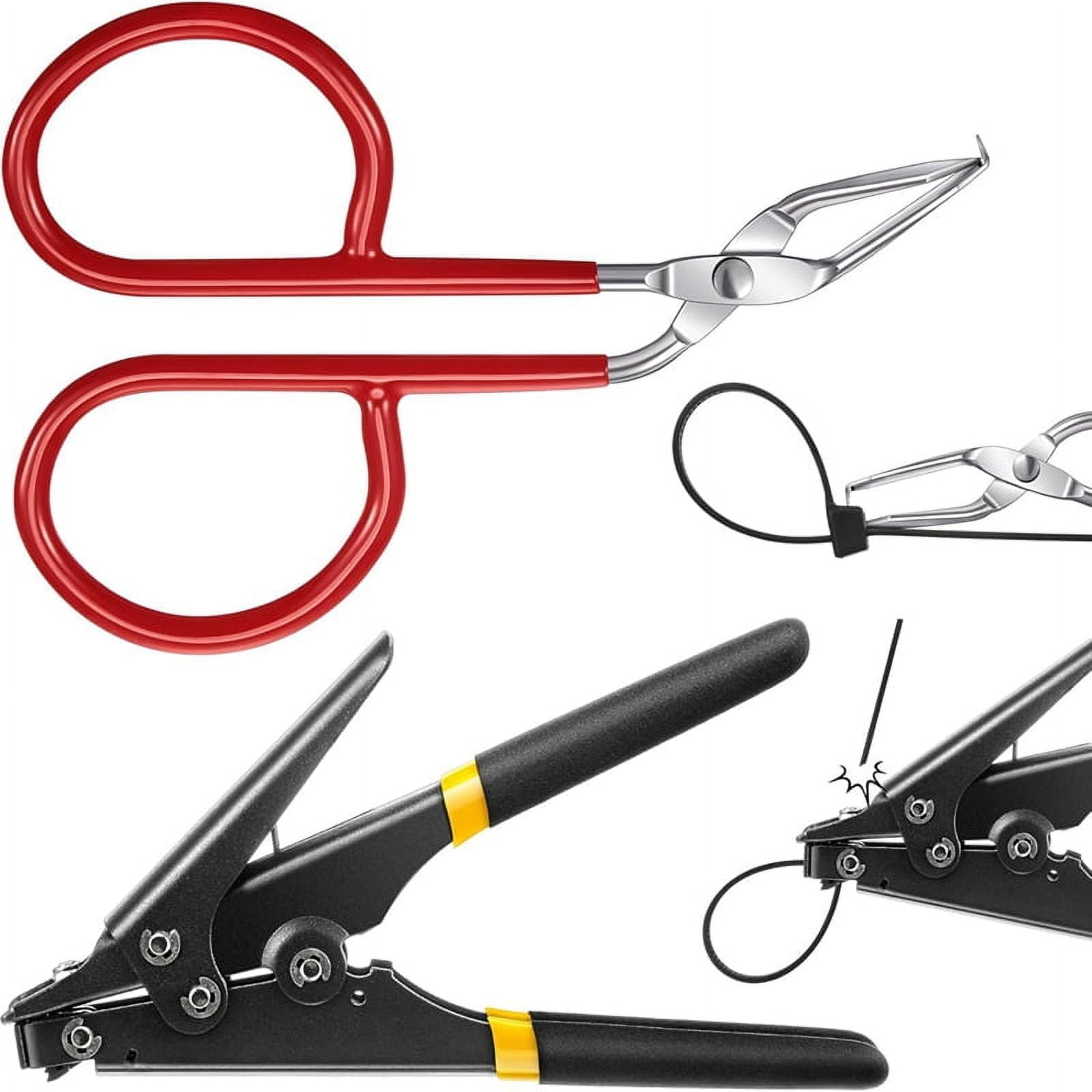
A zip tool is used to tighten and cut cable ties efficiently. It is commonly used in electrical and networking work for cable management.
Importance of Using the Right Tools
Using the correct tool for a task is essential for efficiency, safety, and quality. The right tool not only makes the job easier but also reduces the risk of accidents and damage. For example, using a torque wrench ensures proper tightening, while a laser level guarantees accurate alignment.
Safety Tips When Using Tools
- Always wear protective gear such as gloves and safety glasses
- Keep tools clean and well-maintained
- Use tools only for their intended purpose
- Store tools properly to prevent damage or accidents
- Follow manufacturer instructions for power tools
Conclusion
Understanding tools from A to Z provides a strong foundation for anyone involved in construction, DIY projects, or technical work. Each tool has its unique purpose, and knowing how to use them correctly can significantly improve productivity and results. Whether you are a beginner building your first toolkit or a professional expanding your collection, mastering these tools will help you work smarter, safer, and more efficiently.
Car Diagnostic Tools: A Guide for Modern Vehicle Maintenance