
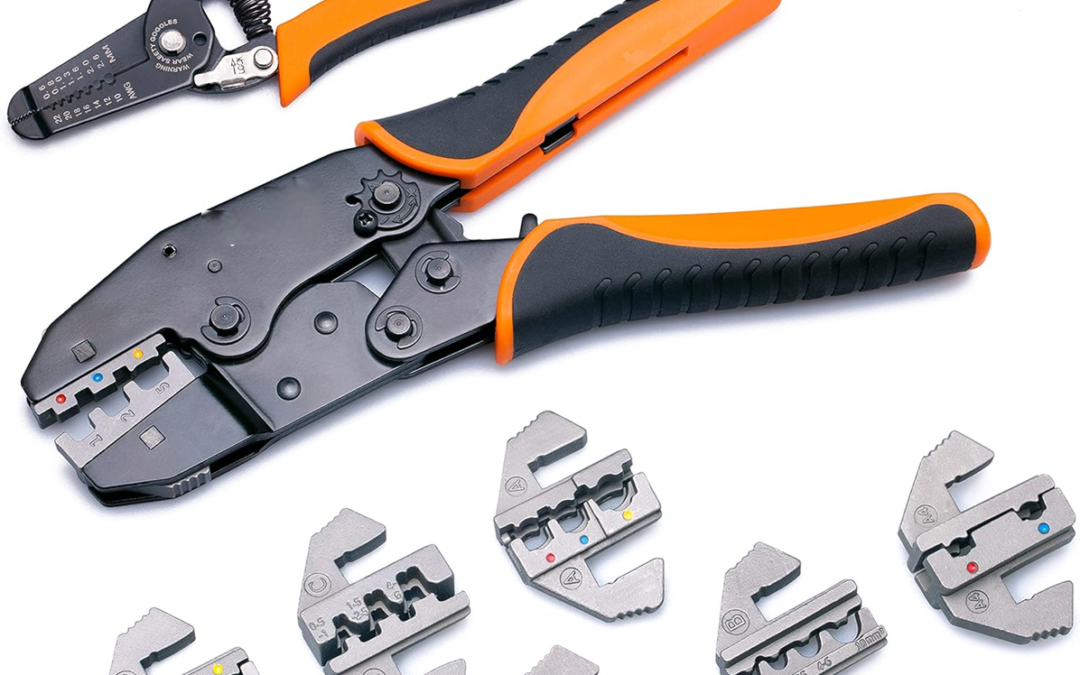
A crimping tool is an essential hand tool widely used in electrical, networking, automotive, and mechanical work. It helps create secure and reliable connections between wires and connectors without soldering. Whether you are an electrician, technician, hobbyist, or DIY enthusiast, understanding how crimping tools work and how to choose the right one can significantly improve the quality of your work.
What Is a Crimping Tool?
A crimping tool is a mechanical device used to join two pieces of metal by deforming one or both of them to hold the other securely. Most commonly, it is used to attach connectors to the ends of electrical wires.
Instead of melting metal like soldering, crimping uses pressure to compress a connector onto a wire. This creates a strong electrical and mechanical connection that is reliable and long-lasting.
Crimping tools are commonly used in:
- Electrical wiring

- Networking cable installation
- Automotive repair
- Electronics assembly
- Telecommunications
- Industrial machinery
Because of their versatility and reliability, crimping tools are considered a must-have tool in many professional toolkits.
How Does a Crimping Tool Work?
A crimping tool works by applying controlled pressure to a connector and wire. The process is simple but requires accuracy.
Here’s how it works:
- Strip the wire insulation
The outer insulation of the wire is removed using a wire stripper. - Insert the wire into the connector
The exposed wire is placed inside a connector terminal. - Position the connector in the crimping tool
The connector is placed in the correct slot of the crimping tool. - Apply pressure
When the handles are squeezed, the tool compresses the connector tightly onto the wire. - Check the connection
The finished crimp should be firm and secure without loose strands.
This compression creates a durable connection that allows electricity or signals to pass through efficiently.
Types of Crimping Tools
Crimping tools come in various designs depending on their application. Choosing the right type is important for effective results.
1. Manual Crimping Tools
Manual crimping tools are the most common and affordable type. They are operated by hand and suitable for small to medium jobs.
Best for:
- Home wiring
- DIY projects
- Basic electrical repairs
They are lightweight, portable, and easy to use.
2. Ratchet Crimping Tools
Ratchet crimping tools include a built-in ratcheting mechanism that ensures consistent pressure during crimping.
Features:
- Provides uniform crimping pressure
- Prevents incomplete crimps
- Offers better reliability
Best for:
- Professional electrical work
- Networking installations
- Repetitive tasks
These tools are widely used by electricians and technicians.
3. Hydraulic Crimping Tools
Hydraulic crimping tools use hydraulic pressure to crimp heavy-duty cables.
Best for:
- Industrial applications
- Large electrical cables
- Power line installations
They require less manual force but provide very strong crimps.
4. Electrical Crimping Tools
These tools are specially designed for electrical terminals such as ring terminals, spade connectors, and butt connectors.
Best for:
- Electrical installations
- Household wiring
- Appliance repair
They ensure safe electrical connections.
5. Network Crimping Tools
Network crimping tools are used to attach connectors like RJ45 and RJ11 to network cables.
Best for:
- Ethernet cable installation
- Telephone wiring
- Computer networking
They are essential tools for IT technicians.
Common Uses of Crimping Tools
Crimping tools are used in many industries and everyday tasks.
Electrical Work
Electricians use crimping tools to connect wires to terminals, switches, circuit breakers, and electrical panels. Proper crimping ensures safety and reduces the risk of electrical faults.
Networking and Telecommunications
Crimping tools are commonly used to connect RJ45 connectors to Ethernet cables. This is necessary for setting up local networks and internet connections.
Automotive Repair
In vehicles, crimping tools are used to connect wires in:
- Car audio systems
- Battery connections
- Lighting systems
- Sensors
Reliable crimps help prevent electrical failures in vehicles.
Electronics and DIY Projects
Hobbyists and electronics enthusiasts use crimping tools to assemble circuits, repair cables, and build custom devices.
Industrial Applications
Factories and industries rely on heavy-duty crimping tools for machinery wiring and power connections.
Advantages of Using a Crimping Tool
Crimping tools offer several advantages compared to other connection methods.
Strong Connections
Crimped connections are mechanically strong and resistant to vibrations. This makes them ideal for automotive and industrial use.
Reliable Electrical Performance
A properly crimped connection ensures good electrical conductivity and reduces resistance.
Faster Installation
Crimping is quicker than soldering because it does not require heating equipment.
Safe and Clean Method
There is no need for molten solder, which reduces the risk of burns or damage.
Professional Results
Using the right crimping tool produces neat, consistent, and professional-looking connections.
How to Choose the Right Crimping Tool
Selecting the right crimping tool depends on your needs and applications.
Consider the Type of Work
Choose a tool based on your work:
- Home use: Manual crimping tool
- Professional use: Ratchet crimping tool
- Heavy-duty work: Hydraulic crimping tool
Check Compatibility
Make sure the tool supports the type of connectors you use, such as:
- Insulated terminals
- Non-insulated terminals
- RJ45 connectors
- Coaxial connectors
Compatibility ensures proper crimping results.
Look for Quality Materials
Choose tools made from hardened steel or durable materials. High-quality tools last longer and perform better.
Ergonomic Design
A comfortable grip reduces hand fatigue during long work sessions. Ergonomic handles improve safety and ease of use.
Adjustable Crimping Pressure
Some tools allow pressure adjustment, which helps achieve consistent crimps.
Tips for Using a Crimping Tool Safely
Safety is important when working with tools and electrical systems.
Follow these tips:
- Always use the correct connector size
- Ensure wires are properly stripped
- Avoid over-crimping or under-crimping
- Inspect the crimp after completion
- Use insulated tools when working with electricity
- Wear safety gloves if necessary
Proper usage prevents damage and improves connection reliability.
Maintenance of Crimping Tools
Regular maintenance helps keep crimping tools in good condition.
Clean After Use
Remove dust and debris from the tool after each use.
Lubricate Moving Parts
Apply light oil to moving joints to ensure smooth operation.
Store Properly
Keep tools in a dry place to prevent rust and corrosion.
Inspect Regularly
Check for worn-out parts and replace damaged components if needed.
Good maintenance increases tool lifespan and ensures consistent performance.
Common Problems and Solutions
Even experienced users may face issues while crimping.
Loose Connection:
Occurs when insufficient pressure is applied. Use the correct slot and apply proper force.
Wire Slipping Out:
Happens if the wire is not inserted fully. Always ensure proper positioning.
Damaged Connector:
Can result from excessive pressure. Use appropriate connector size.
Identifying these problems early helps maintain strong and reliable connections.
Future Trends in Crimping Tools
Modern crimping tools are becoming more advanced with technological improvements.
Some emerging trends include:
- Battery-powered crimping tools
- Smart crimping tools with pressure indicators
- Multi-function crimping tools
- Lightweight ergonomic designs
These innovations improve efficiency, accuracy, and user comfort.
Conclusion
A crimping tool is a versatile and essential device used across electrical, networking, automotive, and industrial fields. It provides a fast, safe, and reliable way to create secure wire connections without soldering. Understanding the different types of crimping tools, their uses, and proper handling methods helps ensure high-quality results in any project.
Whether you are a professional technician or a DIY enthusiast, investing in the right crimping tool can improve efficiency, safety, and overall performance. With proper usage and maintenance, a good crimping tool can serve as a dependable companion for many years of successful work.