
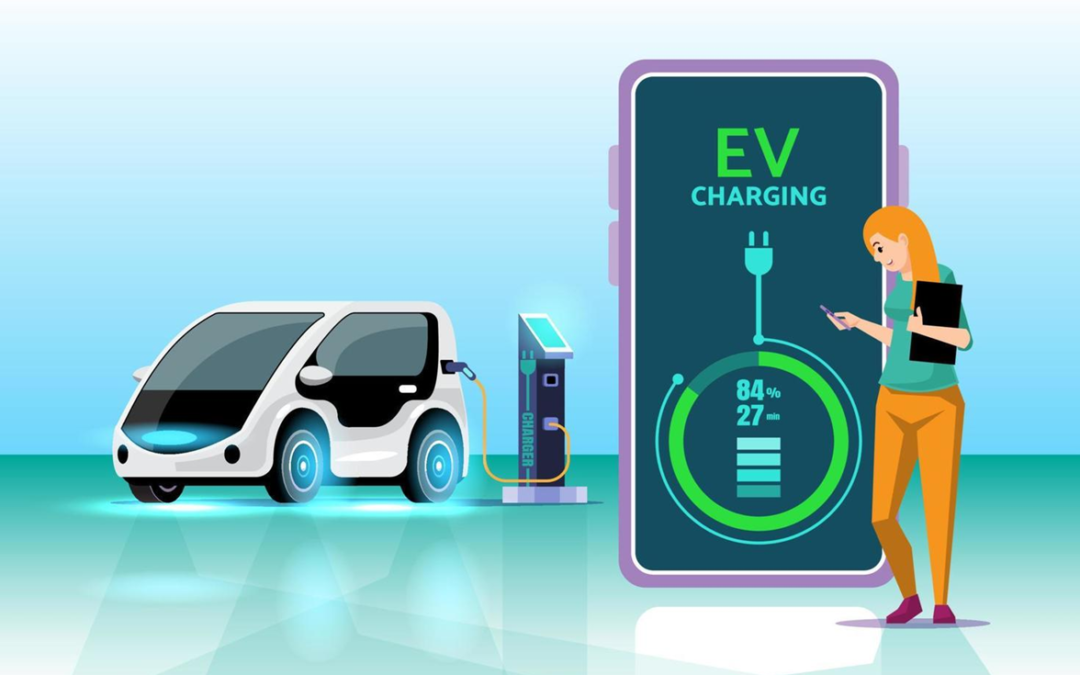
Electric Vehicle (EV) technology refers to the systems and innovations that allow vehicles to run on electricity instead of traditional fossil fuels like petrol or diesel. As the world looks for cleaner, more sustainable transportation options, electric vehicles have become a key solution to reduce pollution, lower fuel costs, and decrease dependence on oil. EV technology combines advanced batteries, electric motors, power electronics, and smart software to create efficient and eco-friendly vehicles.
Understanding Electric Vehicles
An electric vehicle is powered by one or more electric motors that draw energy from rechargeable batteries. Unlike conventional vehicles, EVs do not have internal combustion engines. This means they do not burn fuel or produce tailpipe emissions. The main goal of electric vehicle technology is to provide smooth, quiet, and efficient transportation while minimizing environmental impact.
Electric vehicles can be found in many forms, including cars, buses, two-wheelers, trucks, and even bicycles. Governments and manufacturers worldwide are investing heavily in EV technology to make electric mobility accessible and affordable.
Key Components of Electric Vehicle Technology
Electric vehicle technology is built on several important components that work together seamlessly.
Battery Pack
The battery is the heart of an electric vehicle. Most EVs use lithium-ion batteries because they offer high energy density, long life, and fast charging capability. The battery stores electrical energy and supplies power to the motor. Battery capacity is measured in kilowatt-hours (kWh) and directly affects the vehicle’s driving range.
Electric Motor
The electric motor converts electrical energy into mechanical energy to drive the wheels. EV motors are highly efficient and deliver instant torque, resulting in quick acceleration. Common types include AC induction motors and permanent magnet motors.
Power Electronics
Power electronics manage the flow of electricity between the battery, motor, and other vehicle systems. The inverter converts direct current (DC) from the battery into alternating current (AC) for the motor, while the controller ensures smooth speed and power delivery.
Charging System
The charging system allows the battery to be recharged from an external power source. Charging can be done at home using standard sockets, wall chargers, or at public fast-charging stations. Fast chargers can recharge a significant portion of the battery in a short time.
Regenerative Braking
One of the unique features of EV technology is regenerative braking. When the vehicle slows down, the motor acts as a generator and converts kinetic energy back into electrical energy, which is stored in the battery. This improves efficiency and extends driving range.
Types of Electric Vehicles
Electric vehicle technology includes different types of EVs designed for various needs.
Battery Electric Vehicles (BEVs)
BEVs run entirely on electricity and have no fuel engine. Examples include electric cars like the Tesla Model 3 and Tata Nexon EV.
Hybrid Electric Vehicles (HEVs)
HEVs use both an electric motor and a petrol or diesel engine. The battery is charged through regenerative braking and the engine, not through external charging.
Plug-in Hybrid Electric Vehicles (PHEVs)
PHEVs combine features of BEVs and HEVs. They can be charged externally and also use fuel for longer trips.
How Electric Vehicle Technology Works
When an EV is turned on, electricity flows from the battery to the motor controller. The controller adjusts power based on how much the driver presses the accelerator. The motor then rotates the wheels and moves the vehicle. Since there are fewer moving parts compared to combustion engines, EVs are quieter and require less maintenance.
Advantages of Electric Vehicle Technology
Electric vehicle technology offers several benefits:
-
Environmentally friendly: EVs produce zero tailpipe emissions, reducing air pollution.
-
Lower running costs: Electricity is cheaper than petrol or diesel, and maintenance costs are minimal.
-
Energy efficiency: Electric motors convert more energy into motion compared to fuel engines.
-
Quiet and smooth driving: EVs provide a noise-free and comfortable driving experience.
-
Reduced dependence on fossil fuels: EVs promote the use of renewable energy sources.
Challenges in Electric Vehicle Technology
Despite rapid growth, EV technology still faces some challenges:
-
Charging infrastructure: Limited public charging stations in some regions.
-
Battery cost: Batteries remain one of the most expensive components.
-
Charging time: Charging takes longer than refueling conventional vehicles.
-
Driving range anxiety: Some users worry about running out of charge on long journeys.
However, continuous research and innovation are addressing these issues every year.
The Future of Electric Vehicle Technology
The future of electric vehicle technology looks promising. Advances in solid-state batteries, wireless charging, and smart energy management are expected to improve performance and affordability. Governments are offering incentives, while automakers are launching new electric models across all segments. Integration with renewable energy and smart grids will further enhance the sustainability of EVs.
Conclusion
Electric vehicle technology is transforming the way we think about transportation. By combining clean energy, advanced engineering, and smart systems, EVs offer a sustainable alternative to traditional vehicles. As technology continues to evolve, electric vehicles are set to play a major role in building a cleaner, greener, and more efficient future for mobility.