

A tool grinding machine is an essential piece of equipment used in manufacturing and engineering industries to sharpen, shape, and finish cutting tools. These machines play a vital role in maintaining the performance and accuracy of tools such as drills, cutters, reamers, and milling tools. Whether in small workshops or large industrial plants, tool grinding machines ensure tools remain sharp, precise, and efficient.
What Is a Tool Grinding Machine?
A tool grinding machine is a specialized machine designed to sharpen and shape cutting tools. It uses an abrasive grinding wheel to remove material from the tool surface, restoring its sharpness and geometry.
Over time, cutting tools lose their edge due to friction and heat during machining operations. A tool grinding machine helps restore these tools to their original cutting condition, improving performance and extending tool life.
These machines are widely used in industries such as:
- Metalworking
- Automotive manufacturing
- Aerospace engineering
- Tool and die making
- Woodworking
- Construction equipment production
How a Tool Grinding Machine Works
A tool grinding machine works on the principle of abrasive machining. The process involves removing small amounts of material from a tool using a rotating grinding wheel.
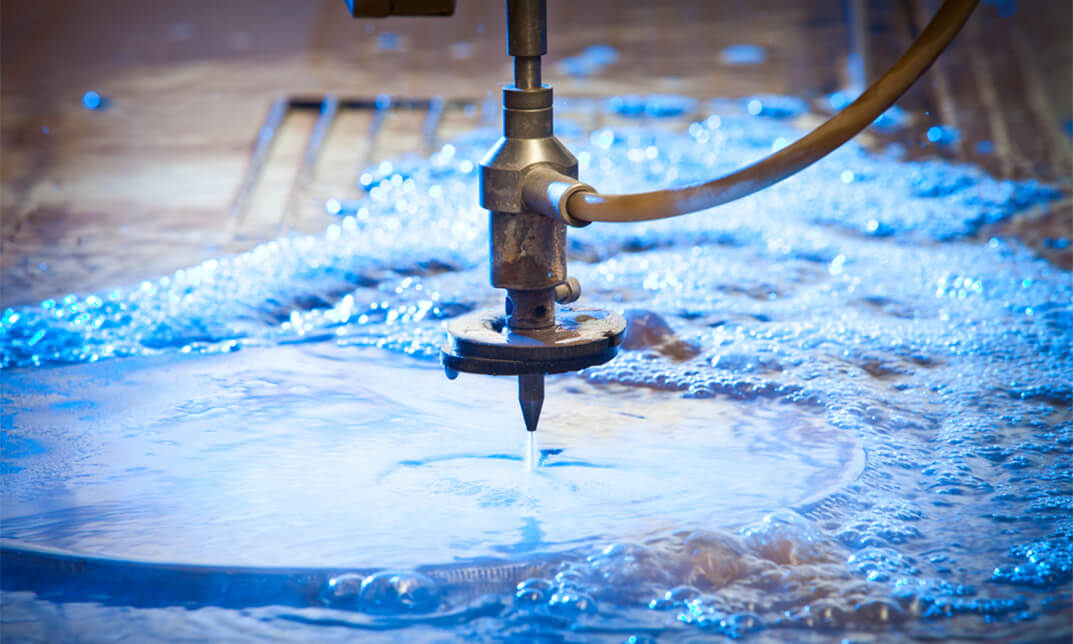
Basic Working Steps
- Tool Mounting
The cutting tool is fixed securely on a holder or worktable. - Wheel Selection
A suitable grinding wheel is selected based on the tool material. - Grinding Operation
The grinding wheel rotates at high speed and comes into contact with the tool surface. - Material Removal
The abrasive particles remove tiny metal chips from the tool. - Finishing
The tool surface is smoothed to achieve accurate shape and sharp edges.
This controlled removal process ensures precise tool geometry and better cutting performance.
Main Parts of a Tool Grinding Machine
A typical tool grinding machine consists of several important components that work together.
1. Grinding Wheel
The grinding wheel is the most critical part of the machine. It is made from abrasive materials such as aluminum oxide or silicon carbide and performs the actual cutting action.
2. Worktable
The worktable holds the tool during grinding. It can move in different directions to allow precise positioning.
3. Wheel Head
The wheel head contains the grinding wheel and motor. It controls the speed and movement of the grinding wheel.
4. Tool Holder
The tool holder secures the cutting tool in place to prevent vibration during grinding.
5. Coolant System
A coolant system reduces heat generated during grinding and improves tool life.
6. Control Panel
Modern machines include digital controls for setting speed, movement, and grinding depth.
Types of Tool Grinding Machines
Different types of tool grinding machines are available based on their function and level of automation.
1. Manual Tool Grinding Machine
Manual machines are operated by skilled workers who control the grinding process manually.
Features:
- Simple design
- Low cost
- Suitable for small workshops
- Requires operator skill
Uses:
- Sharpening small cutting tools
- Repair and maintenance tasks
2. Universal Tool and Cutter Grinding Machine
This is a versatile machine capable of grinding many types of tools.
Features:
- Adjustable worktable
- Multiple grinding attachments
- High flexibility
Uses:
- Grinding drills
- Milling cutters
- Reamers
- Gear cutters
3. CNC Tool Grinding Machine
Computer Numerical Control (CNC) tool grinding machines are automated systems that provide high precision and repeatability.
Features:
- Computer-controlled operations
- High accuracy
- Reduced human error
- Suitable for mass production
Uses:
- Manufacturing precision cutting tools
- Aerospace and automotive industries
- High-speed tool production
4. Drill Grinding Machine
Drill grinding machines are specially designed to sharpen drill bits.
Features:
- Simple operation
- Quick sharpening
- Accurate drill angles
Uses:
- Tool maintenance workshops
- Manufacturing units
5. Tool and Cutter Grinder
These machines are designed to sharpen various cutting tools used in machining processes.
Features:
- Multi-purpose grinding
- High precision
- Wide application range
Uses:
- Tool rooms
- Production units
- Maintenance departments
Applications of Tool Grinding Machines
Tool grinding machines are used in many industries to maintain and produce high-quality cutting tools.
1. Manufacturing Industry
They are used to sharpen and shape tools used in machining operations such as milling, drilling, and turning.
2. Automotive Industry
Used to maintain cutting tools for producing engine components, gears, and shafts.
3. Aerospace Industry
Precision tools are essential in aerospace manufacturing, and grinding machines help achieve accurate dimensions.
4. Tool and Die Industry
Tool grinding machines are widely used in producing dies and molds.
5. Woodworking Industry
Used to sharpen woodworking tools such as cutters and blades.
Advantages of Tool Grinding Machines
Tool grinding machines offer several benefits that improve productivity and tool performance.
High Precision
These machines provide accurate grinding results, ensuring tools maintain correct angles and shapes.
Improved Tool Life
Regular grinding extends the lifespan of cutting tools, reducing replacement costs.
Better Surface Finish
Grinding improves tool sharpness, leading to smoother machining results.
Increased Productivity
Sharp tools cut materials more efficiently, reducing machining time.
Cost Savings
Regrinding tools is cheaper than purchasing new ones frequently.
Disadvantages of Tool Grinding Machines
Despite their advantages, tool grinding machines also have some limitations.
High Initial Cost
Advanced machines, especially CNC grinders, can be expensive.
Skilled Operation Required
Manual machines require experienced operators for accurate results.
Maintenance Needs
Regular maintenance is necessary to keep machines functioning properly.
Risk of Overheating
Improper use may cause overheating and damage to tools.
Safety Tips When Using Tool Grinding Machines
Safety is important when working with grinding machines due to high-speed rotating wheels.
- Always wear safety goggles.
- Use proper protective gloves.
- Ensure the grinding wheel is properly mounted.
- Avoid excessive pressure during grinding.
- Keep the work area clean and dry.
- Use coolant to prevent overheating.
- Inspect wheels regularly for cracks.
Following safety guidelines reduces the risk of accidents.
Maintenance of Tool Grinding Machines
Regular maintenance improves machine performance and extends its lifespan.
Daily Maintenance
- Clean machine surfaces
- Remove metal dust
- Check coolant levels
- Inspect grinding wheel condition
Weekly Maintenance
- Lubricate moving parts
- Check alignment of components
- Tighten loose bolts
Periodic Maintenance
- Replace worn grinding wheels
- Inspect electrical connections
- Calibrate machine settings
Proper maintenance prevents breakdowns and ensures smooth operation.
Factors to Consider When Choosing a Tool Grinding Machine
Selecting the right tool grinding machine depends on several factors.
Type of Tools
Choose a machine based on the types of tools you need to grind.
Level of Precision
High-precision work requires advanced machines such as CNC grinders.
Production Volume
Large production units benefit from automated machines.
Budget
Manual machines are more affordable, while CNC machines require higher investment.
Available Space
Consider the size of the machine and workspace requirements.
Future Trends in Tool Grinding Machines
Modern technology continues to improve tool grinding machines.
CNC Automation
More industries are adopting CNC tool grinding machines for improved efficiency.
Smart Monitoring Systems
Sensors and digital controls help monitor grinding performance.
Advanced Abrasive Materials
New grinding wheel materials improve durability and precision.
Integration With Industry 4.0
Machines are becoming connected to digital systems for real-time monitoring and data analysis.
These trends are shaping the future of tool grinding technology.
Conclusion
Tool grinding machines are essential equipment in modern manufacturing and engineering industries. They help maintain the sharpness, precision, and efficiency of cutting tools, which directly affects production quality and productivity. From manual grinders used in small workshops to advanced CNC tool grinding machines used in large factories, these machines play a crucial role in tool maintenance and manufacturing.
Understanding the types, functions, advantages, and maintenance of tool grinding machines helps businesses select the right equipment and use it effectively. With advancements in automation and smart technologies, tool grinding machines will continue to improve, supporting industries that rely on precision machining and high-quality tools.