
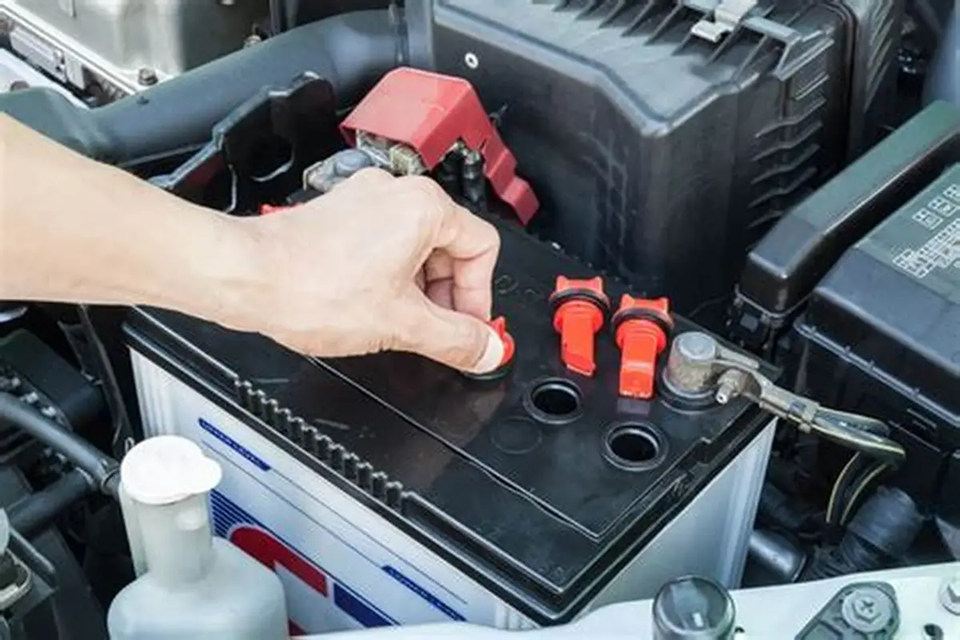
A car battery is the heart of your vehicle’s electrical system. It powers the starter motor, ignition system, lights, infotainment unit, and other electronic components. When the battery starts failing, it can leave you stranded at the worst possible time. Knowing how to test a car battery at home can help you avoid sudden breakdowns, save money, and extend battery life.
In this guide, we will explain simple and reliable ways to test a car battery, signs of a weak battery, and when you should replace it.
Why Testing Your Car Battery Is Important
Most car batteries last between 3 to 5 years, depending on driving habits, climate, and maintenance. Extreme heat, short trips, and long periods of inactivity can weaken a battery faster than expected. Regular testing helps you:
-
Detect battery problems early
-
Prevent unexpected vehicle breakdowns
-
Ensure proper charging system performance
-
Increase the lifespan of your battery
Testing a battery does not require advanced technical skills, and many checks can be done at home using basic tools.
Common Signs of a Weak Car Battery
Before testing, it’s useful to recognize early warning signs. These include:
-
Slow engine cranking during startup
-
Dim headlights or interior lights
-
Clicking sound when turning the ignition key
-
Battery warning light on the dashboard
-
Electrical accessories not working properly
If you notice one or more of these symptoms, it’s time to test your battery.
Safety Precautions Before Testing
Car batteries contain acid and can produce explosive gases, so safety is important. Always follow these precautions:
-
Turn off the engine and all electrical accessories
-
Wear safety gloves and eye protection
-
Avoid open flames or sparks near the battery
-
Ensure the battery terminals are clean and dry
Once safety is ensured, you can begin testing.
Method 1: Visual Inspection
A visual check is the easiest way to spot obvious battery issues.
What to Look For:
-
Corrosion or white powder on battery terminals
-
Loose or damaged battery cables
-
Cracks, bulges, or leaks in the battery casing
Corroded terminals can prevent proper charging and starting. Cleaning them with a baking soda and water solution often improves performance.
Method 2: Testing with a Multimeter
A digital multimeter is one of the most accurate tools to test a car battery’s voltage.
Steps to Test:
-
Set the multimeter to DC voltage (20V range)
-
Connect the red probe to the positive terminal (+)
-
Connect the black probe to the negative terminal (–)
-
Read the voltage displayed
Voltage Readings Explained:
-
12.6V or higher – Fully charged battery
-
12.4V to 12.6V – Good condition
-
12.2V to 12.4V – Partially discharged
-
Below 12.2V – Weak battery
-
Below 11.8V – Likely failing battery
For best results, test the battery after the car has been turned off for several hours.
Method 3: Load Testing the Battery
A load test measures how well the battery performs under demand.
How It Works:
-
Start the engine while monitoring voltage
-
A healthy battery should not drop below 9.6V during cranking
-
If voltage drops sharply, the battery may be unable to handle load
Professional garages and service centers often perform this test using dedicated load testers.
Method 4: Testing with the Engine Running
This method helps check the charging system along with the battery.
Steps:
-
Start the car engine
-
Use a multimeter to check battery voltage
-
The reading should be between 13.7V and 14.7V
If voltage is lower, the alternator may not be charging properly. If it’s higher, it may overcharge the battery, causing damage.
Method 5: Battery Health Check at Service Centers
Most automotive service centers and battery shops offer free battery testing. They use advanced diagnostic tools to check:
-
Battery health percentage
-
Cold cranking amps (CCA)
-
Charging and starting system performance
This is a good option if you want accurate results without purchasing tools.
When Should You Replace Your Car Battery?
You should consider replacement if:
-
Battery voltage remains low even after charging
-
The battery is more than 4–5 years old
-
The engine struggles to start repeatedly
-
Battery fails a load test
Delaying replacement can damage the alternator and other electrical components.
Tips to Extend Car Battery Life
-
Avoid short trips frequently
-
Turn off lights and accessories when the engine is off
-
Keep battery terminals clean
-
Drive regularly to keep the battery charged
-
Park in shaded or covered areas in extreme heat
Final Thoughts
Testing your car battery regularly is a simple yet essential part of vehicle maintenance. Whether you use a multimeter, observe warning signs, or visit a service center, early detection can save time, money, and stress. With basic knowledge and routine checks, you can ensure your car starts reliably every time.
A healthy battery means a smooth and worry-free driving experience.