
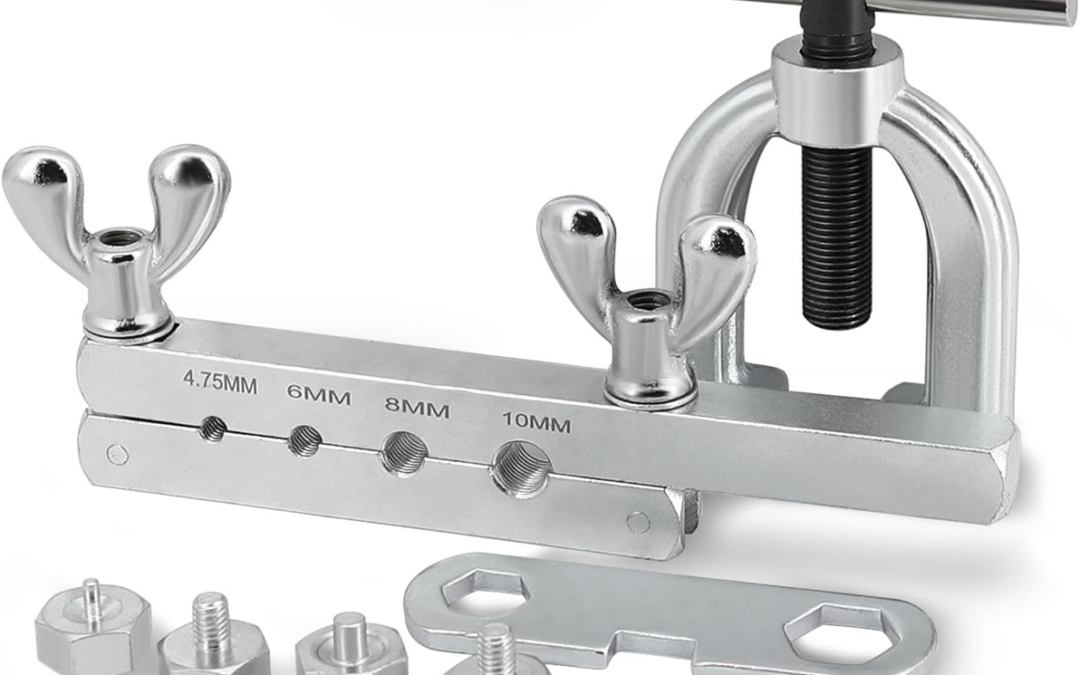
A flaring tool is an essential device used in plumbing, HVAC, automotive, and refrigeration work to create secure and leak-proof connections between pipes and tubing. Whether you are installing air conditioning units, repairing brake lines, or working on refrigeration systems, a flaring tool plays a vital role in ensuring tight and reliable joints.
What Is a Flaring Tool?
A flaring tool is a mechanical tool used to expand the end of a tube outward into a funnel-like shape called a flare. This flare allows the tube to fit securely with a matching fitting or connector, creating a tight seal that prevents leaks.
Flaring tools are commonly used with copper, aluminum, and soft steel tubing, especially in systems that carry gases or liquids under pressure.
How Does a Flaring Tool Work?
The basic function of a flaring tool is simple but highly precise. It reshapes the end of a tube into a flare that matches the fitting used in the connection.
Here is how it typically works:
- Cut the Tube
The pipe or tube is cut to the desired length using a tube cutter. - Deburr the Edge
Any rough edges inside or outside the tube are removed using a deburring tool. - Clamp the Tube
The tube is placed inside the flaring bar and tightly clamped. - Insert the Flaring Cone
A cone-shaped tool is aligned with the tube opening. - Create the Flare
The cone is pressed into the tube end, expanding it outward into a flare shape. - Check the Flare
The finished flare should be smooth, even, and free from cracks.
This process ensures that the tube fits perfectly into the connector and forms a strong seal.
Types of Flaring Tools
Different types of flaring tools are available depending on the application and level of precision required.
1. Standard Flaring Tool 
This is the most commonly used flaring tool. It creates a 45-degree flare, which is widely used in plumbing and HVAC systems.
Best for:
- Plumbing work
- Air conditioning installation
- Refrigeration systems
2. Double Flaring Tool
A double flaring tool creates a double-layered flare, making it stronger and more resistant to cracking.
Best for:
- Automotive brake lines
- Fuel systems
- High-pressure tubing
Double flares are commonly used in vehicles because they provide extra durability and safety.
3. Hydraulic Flaring Tool 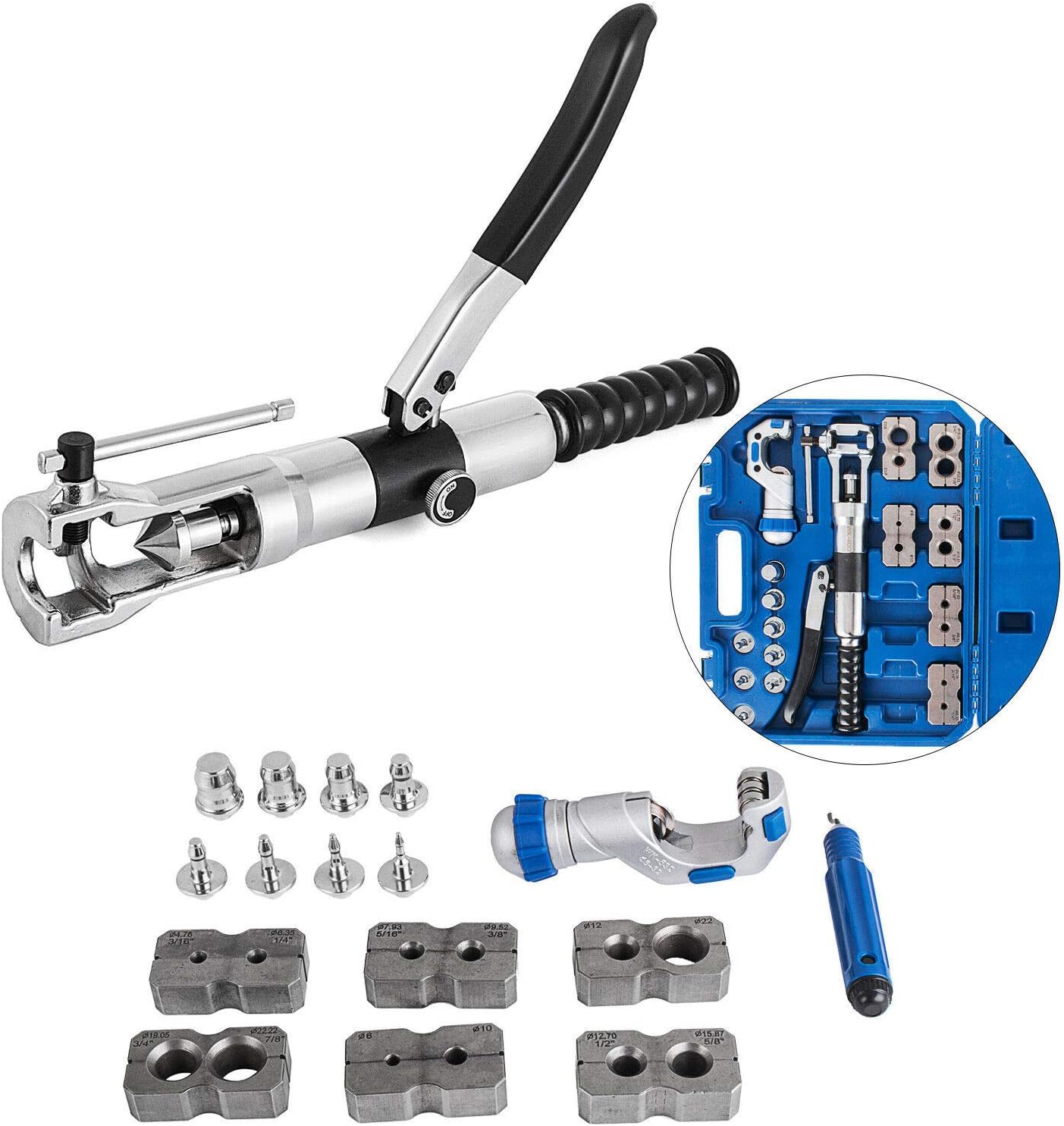
Hydraulic flaring tools use hydraulic pressure instead of manual force to create precise flares.
Best for:
- Professional HVAC work
- Industrial tubing
- Heavy-duty applications
These tools reduce effort and improve consistency.
4. Eccentric Cone Flaring Tool 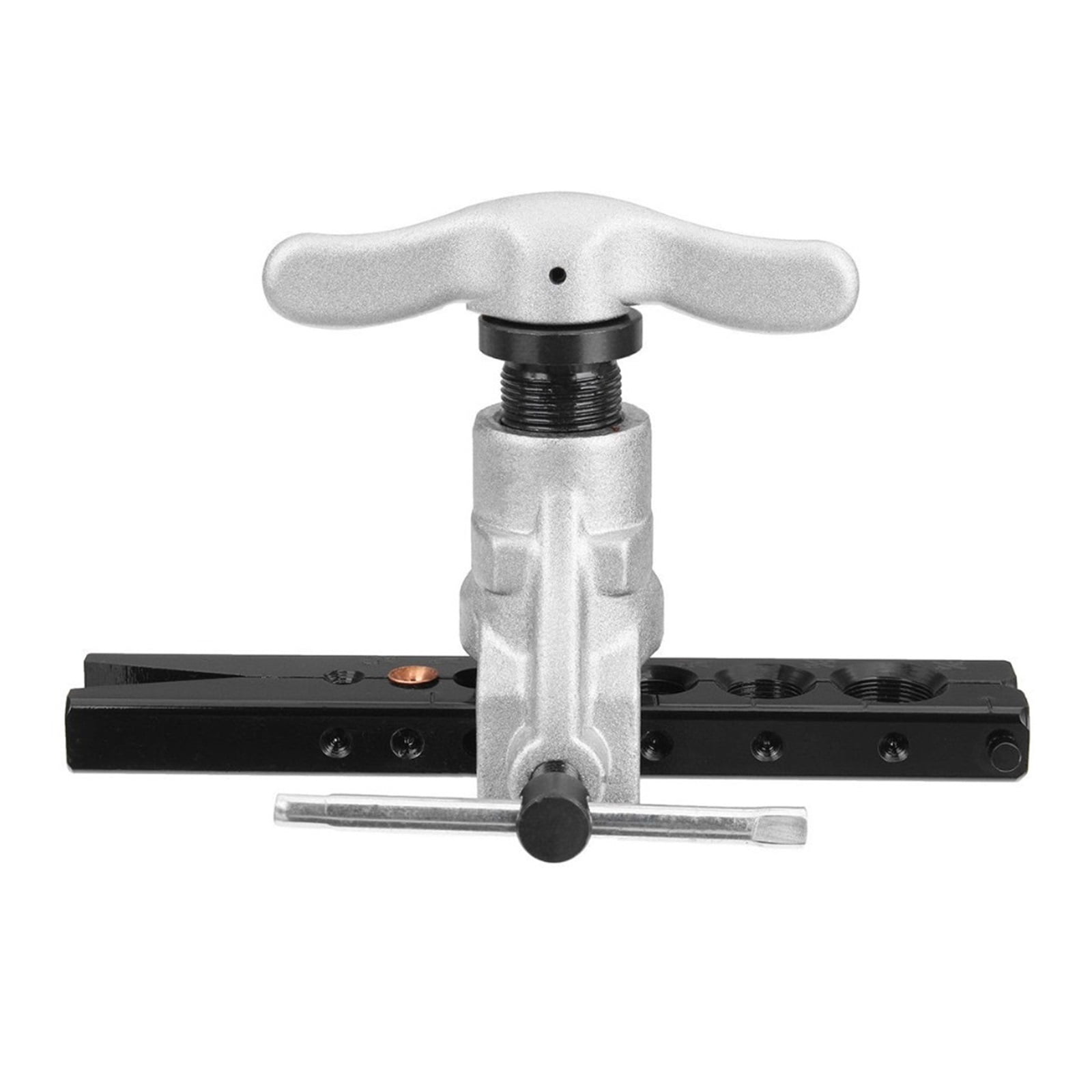
This advanced type rotates slightly while forming the flare, creating smoother and more accurate results.
Best for:
- High-quality HVAC installations
- Refrigeration systems
- Professional technicians
Common Uses of Flaring Tools
Flaring tools are used in many industries where secure pipe connections are required.
HVAC Systems
Flaring tools are widely used in heating, ventilation, and air conditioning systems to connect copper tubing in refrigerant lines.
Refrigeration
Refrigerators and cooling systems rely on leak-proof joints, making flaring tools essential for installation and repair.
Automotive Industry
Flaring tools are commonly used to repair:
- Brake lines
- Fuel lines
- Transmission cooling lines
Double flaring tools are especially important for automotive safety.
Plumbing
In plumbing, flaring tools help connect copper pipes used for water and gas systems.
Industrial Applications
Many industrial systems require secure tubing connections for gas, oil, or compressed air systems.
Materials Used with Flaring Tools
Flaring tools are designed to work with specific types of tubing materials.
Common materials include:
- Copper tubing
- Aluminum tubing
- Brass tubing
- Soft steel tubing
Hard materials like stainless steel may require specialized heavy-duty flaring tools.
Advantages of Using a Flaring Tool
Using a flaring tool offers several benefits, especially when compared to other joining methods.
Leak-Proof Connections
Properly flared tubing creates tight seals that reduce the risk of leaks.
Strong and Durable Joints
Flared connections can handle pressure and vibration without breaking.
Easy Maintenance
Flared fittings can be disconnected and reconnected without damaging the tubing.
Cost-Effective
Flaring eliminates the need for welding or soldering in many cases.
Versatility
Flaring tools can be used in different industries and applications.
Key Features to Look for in a Flaring Tool
Choosing the right flaring tool depends on your work requirements.
Build Quality
Look for tools made from hardened steel or durable materials that resist wear.
Tube Size Compatibility
Check the range of tube sizes supported by the tool.
Common sizes include:
- 1/8 inch
- 3/16 inch
- 1/4 inch
- 5/16 inch
- 3/8 inch
- 1/2 inch
Ease of Use
Tools with ergonomic handles and smooth mechanisms are easier to operate.
Precision
High-quality flaring tools produce smooth and even flares without cracks.
Portability
Compact tools are ideal for technicians who work in multiple locations.
Step-by-Step Guide to Using a Flaring Tool
Using a flaring tool correctly improves the quality of your work.
Step 1: Measure and Cut the Tube
Use a tube cutter to cut the tubing to the correct length.
Step 2: Deburr the Tube
Remove sharp edges from the inside of the tube.
Step 3: Insert the Tube into the Flaring Bar
Leave a small amount of tubing above the bar to form the flare.
Step 4: Tighten the Clamp
Ensure the tube is firmly secured.
Step 5: Align the Cone
Position the flaring cone directly over the tube opening.
Step 6: Turn the Handle
Slowly rotate the handle until the flare is formed.
Step 7: Inspect the Flare
Check for cracks, uneven edges, or thin spots.
Safety Tips When Using a Flaring Tool
Safety should always be a priority when working with tools.
- Wear safety gloves to protect your hands
- Use eye protection to prevent injury from metal particles
- Ensure the tube is securely clamped
- Avoid over-tightening the cone
- Inspect the tool regularly for damage
Following these safety tips reduces the risk of accidents.
Common Problems and Solutions
Even experienced users may face issues while flaring tubing.
Cracked Flare
Cause: Excess pressure or poor-quality tubing
Solution: Use proper pressure and ensure tubing is soft and clean.
Uneven Flare
Cause: Misaligned cone
Solution: Align the cone carefully before tightening.
Slipping Tube
Cause: Loose clamp
Solution: Tighten the flaring bar securely.
Maintenance Tips for Flaring Tools
Proper maintenance increases the lifespan of your tool.
- Clean the tool after each use
- Lubricate moving parts regularly
- Store in a dry location
- Inspect the cone for wear or damage
- Replace worn components when necessary
Regular maintenance ensures consistent performance.
Flaring Tool vs Swaging Tool
Many people confuse flaring tools with swaging tools, but they serve different purposes.
Flaring Tool
- Expands tube end outward
- Used with flare fittings
- Creates removable connections
Swaging Tool
- Expands tube to fit another tube
- Used for joining two tubes
- Often used in HVAC installations
Understanding the difference helps in selecting the right tool.
Who Should Use a Flaring Tool?
Flaring tools are useful for many professionals and hobbyists.
- HVAC technicians
- Plumbers
- Automotive mechanics
- Refrigeration technicians
- DIY enthusiasts
Anyone working with tubing systems can benefit from owning a reliable flaring tool.
Conclusion
A flaring tool is an indispensable piece of equipment for creating strong, leak-proof connections in tubing systems. From HVAC installations to automotive brake repairs, this tool ensures safety, efficiency, and durability. Understanding the types of flaring tools, their uses, and proper handling techniques can help you achieve professional-quality results.
Whether you are a beginner learning basic plumbing skills or a professional technician handling complex systems, investing in a high-quality flaring tool can make your work easier, safer, and more reliable.