
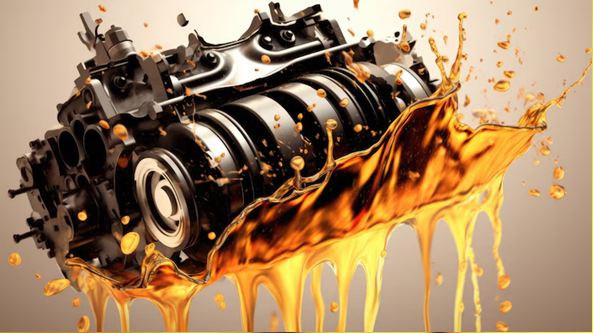
Engine oil is one of the most essential components of any vehicle, yet it is often overlooked by many drivers. While fuel powers the engine and air supports combustion, engine oil ensures that all moving parts work smoothly and efficiently. Without proper lubrication, an engine can suffer from excessive wear, overheating, and even complete failure. Understanding engine oil, its types, and its role in vehicle maintenance can help extend engine life and improve overall performance.
What Is Engine Oil?
Engine oil is a specially formulated lubricant designed to reduce friction between the moving parts of an engine. It circulates through the engine, forming a protective layer between metal surfaces to prevent direct contact. Engine oil also helps in cleaning, cooling, and protecting the engine from corrosion and deposits.
Modern engine oils are made from base oils and additives. Base oils can be mineral, synthetic, or semi-synthetic, while additives improve performance by enhancing viscosity, preventing oxidation, and reducing sludge formation.
Why Engine Oil Is Important

Engine oil performs several critical functions that keep a vehicle running efficiently:
Lubrication: The primary role of engine oil is to lubricate moving components such as pistons, crankshafts, and camshafts. This reduces friction and prevents metal-to-metal contact.
Cooling: As oil circulates through the engine, it absorbs heat generated by combustion and friction. This helps regulate engine temperature and prevents overheating.
Cleaning: Engine oil collects dirt, carbon particles, and metal debris, keeping the engine clean. The oil filter traps these contaminants, preventing them from damaging engine parts.
Protection Against Wear: A proper oil film protects engine components from wear and tear, extending the life of the engine.
Corrosion Prevention: Additives in engine oil protect engine parts from rust and corrosion caused by moisture and acidic by-products of combustion.
Types of Engine Oil
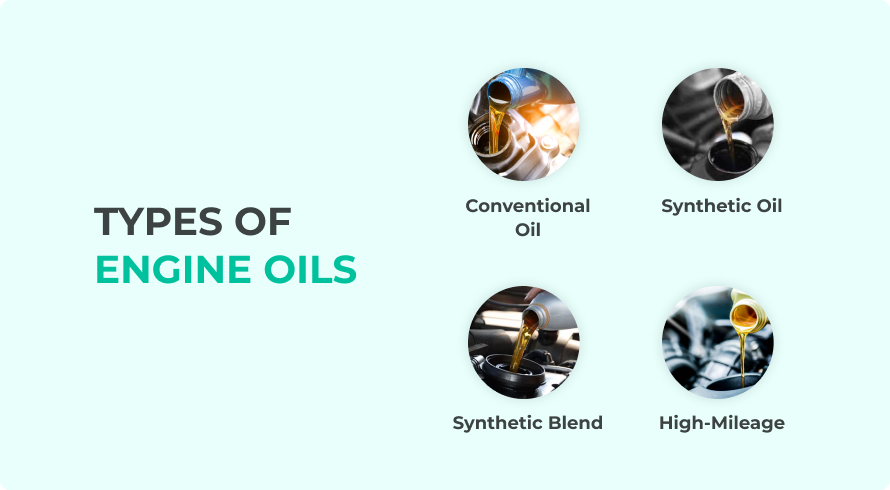
There are different types of engine oil available, each suited for specific engines and driving conditions.
Mineral Engine Oil
Mineral oil is derived from refined crude oil and is commonly used in older vehicles or engines with simple designs. It is affordable but offers limited protection compared to modern oils. Mineral oil requires more frequent changes and is less effective at high temperatures.
Semi-Synthetic Engine Oil
Semi-synthetic oil is a blend of mineral oil and synthetic oil. It provides better performance and protection than mineral oil while remaining cost-effective. This type of oil is suitable for daily driving and moderate engine loads.
Fully Synthetic Engine Oil
Fully synthetic oil is chemically engineered to provide superior performance. It offers excellent lubrication, temperature stability, and resistance to breakdown. Synthetic oil improves fuel efficiency, enhances engine performance, and allows for longer oil change intervals. It is ideal for modern vehicles and high-performance engines.
Understanding Viscosity and Oil Grades
Viscosity refers to the thickness of engine oil and its ability to flow at different temperatures. Engine oil grades are represented by numbers such as 5W-30 or 10W-40.
The first number followed by “W” (winter) indicates how the oil flows in cold temperatures. A lower number means better cold-start performance. The second number represents oil thickness at high temperatures. Choosing the correct viscosity is crucial for proper engine protection.
Always refer to the vehicle manufacturer’s recommendation when selecting oil viscosity.
When Should You Change Engine Oil?
Regular oil changes are vital to maintaining engine health. Over time, engine oil loses its effectiveness due to contamination and thermal breakdown.
As a general guideline:
-
Mineral oil: every 5,000 km
-
Semi-synthetic oil: every 7,000–8,000 km
-
Synthetic oil: every 10,000–15,000 km
Driving conditions such as heavy traffic, short trips, dusty environments, and extreme temperatures may require more frequent oil changes.
Signs That Your Engine Oil Needs Changing
Ignoring oil changes can lead to serious engine damage. Some common signs include:
-
Dark or dirty oil on the dipstick
-
Engine knocking or increased noise
-
Oil warning light on the dashboard
-
Reduced fuel efficiency
-
Burning oil smell
If you notice any of these signs, it is best to check or replace the oil immediately.

How to Choose the Right Engine Oil
Selecting the right engine oil depends on several factors:
-
Vehicle type and engine design
-
Manufacturer recommendations
-
Driving conditions and climate
-
Vehicle age and mileage
Using the wrong oil can reduce engine efficiency and cause long-term damage. Always choose high-quality oil from trusted brands and ensure it meets the required specifications.
Environmental Impact and Oil Disposal
Used engine oil contains harmful contaminants and should never be poured into drains or soil. Proper disposal is essential to protect the environment. Most service centers and recycling facilities collect used engine oil and recycle it safely.
Using high-quality oil and following proper maintenance schedules can also reduce oil consumption and environmental impact.
Conclusion
Engine oil plays a vital role in keeping your vehicle’s engine healthy, efficient, and long-lasting. From lubrication and cooling to cleaning and protection, its functions are essential for smooth engine operation. Understanding the different types of engine oil, viscosity grades, and maintenance requirements helps vehicle owners make informed decisions.
Regular oil changes, choosing the correct oil, and following manufacturer guidelines are simple yet effective steps to ensure optimal engine performance. Proper care of engine oil not only saves money on repairs but also enhances driving comfort and vehicle reliability over time.
EngineFirm.com/ : New Automotive & Engineering Knowledge Hub