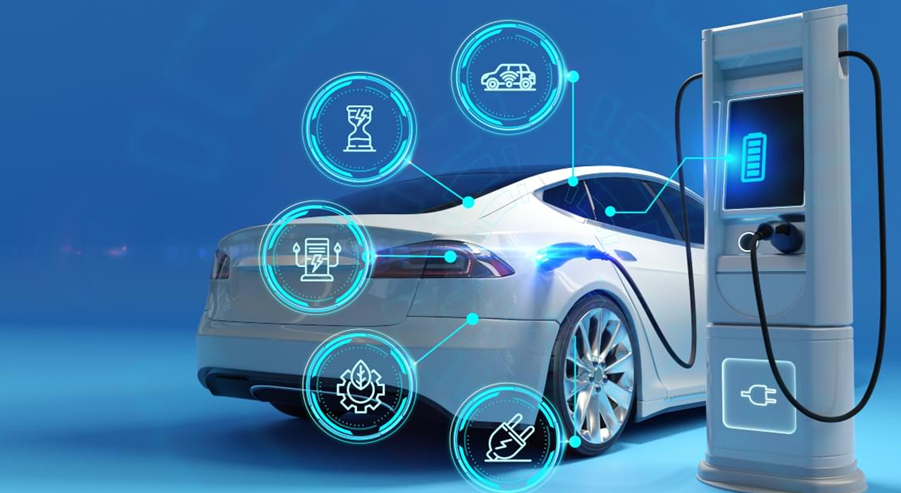
Electric vehicles (EVs) are no longer a concept of the future in India. They are rapidly becoming a practical and sustainable alternative to traditional petrol and diesel vehicles. With rising fuel prices, increasing pollution levels, and strong government support, electric vehicles in India are gaining momentum across two-wheelers, cars, buses, and even commercial fleets. This shift marks a major transformation in the country’s transportation ecosystem.
The Rise of Electric Vehicles in India
Over the last few years, India has witnessed a steady rise in the adoption of electric vehicles. What started mainly with electric scooters and rickshaws has now expanded to electric cars, buses, and delivery vehicles. Major cities like Delhi, Bengaluru, Mumbai, Pune, and Chennai are leading this transition due to better charging infrastructure and higher environmental awareness.
Several factors are driving this growth. The cost of fossil fuels continues to increase, making EVs a more economical choice in the long run. At the same time, consumers are becoming more conscious of climate change and air pollution, especially in urban areas where vehicle emissions are a major concern.
Government Initiatives Supporting EV Adoption
The Indian government plays a crucial role in promoting electric mobility. One of the most important initiatives is the FAME (Faster Adoption and Manufacturing of Electric Vehicles) scheme. Under FAME, buyers receive subsidies on electric two-wheelers, three-wheelers, cars, and buses, making EVs more affordable.
In addition, the government offers benefits such as:
-
Reduced GST on electric vehicles
-
Income tax deductions on EV loans
-
Incentives for manufacturers to produce EVs locally
-
Support for charging infrastructure development
Several state governments have also introduced their own EV policies, offering additional subsidies, road tax exemptions, and free registration.
Popular Electric Vehicles in India
India’s EV market offers a growing range of options across segments.
Electric Two-Wheelers:
Electric scooters are currently the most popular EVs in India due to their affordability and suitability for daily commuting. Models from Ola Electric, Ather, TVS, Bajaj, and Hero Electric have gained strong market acceptance.
Electric Cars:
Electric cars are gradually becoming mainstream. Models like Tata Nexon EV, Tata Tiago EV, MG ZS EV, and Mahindra XUV400 are popular choices among Indian buyers. These vehicles offer decent range, modern features, and lower running costs compared to petrol or diesel cars.
Electric Buses and Commercial Vehicles:
Electric buses are being introduced in many cities for public transport. Electric delivery vans and three-wheelers are also gaining popularity among logistics and e-commerce companies to reduce operational costs and emissions.
Benefits of Electric Vehicles in India
Electric vehicles offer several advantages that make them attractive to Indian consumers.
Lower Running Cost:
EVs are much cheaper to operate than fuel-based vehicles. Electricity costs significantly less than petrol or diesel, and maintenance expenses are also lower due to fewer moving parts.
Environment Friendly:
Electric vehicles produce zero tailpipe emissions, helping reduce air pollution and greenhouse gas emissions. This is especially important for cities struggling with poor air quality.
Energy Independence:
India imports a large portion of its crude oil. Switching to electric mobility reduces dependence on oil imports and promotes the use of renewable energy sources like solar and wind power.
Quiet and Smooth Driving Experience:
EVs provide a smooth, silent, and comfortable driving experience, which is increasingly appreciated by urban commuters.
Challenges Facing Electric Vehicles in India
Despite strong growth, electric vehicles in India still face several challenges.
Charging Infrastructure:
Limited availability of public charging stations remains one of the biggest hurdles. While home charging is convenient, long-distance travel requires a reliable network of fast chargers.
High Initial Cost:
Although EVs are cheaper to run, their upfront cost is still higher than conventional vehicles. However, this gap is gradually reducing with improved technology and government incentives.
Range Anxiety:
Many buyers worry about the driving range of electric vehicles, especially in areas with fewer charging stations. Advances in battery technology are helping address this concern.
Battery Recycling and Disposal:
As EV adoption increases, proper battery recycling and disposal systems will become essential to ensure environmental sustainability.
The Future of Electric Vehicles in India
The future of electric vehicles in India looks promising. Experts predict that a significant portion of new vehicle sales will be electric in the coming decade. Continuous improvements in battery technology are expected to increase driving range while reducing costs.
The expansion of charging infrastructure, especially along highways and in residential areas, will further boost consumer confidence. Indian and global automakers are investing heavily in EV research, local manufacturing, and innovation.
Additionally, the push toward renewable energy will make electric mobility even more sustainable. As awareness grows and technology becomes more accessible, EVs are likely to become the default choice for many Indian consumers.
Conclusion
Electric vehicles in India represent a major step toward a cleaner, more sustainable future. With strong government support, increasing consumer awareness, and rapid technological advancements, the EV ecosystem is evolving at a fast pace. While challenges like charging infrastructure and cost still exist, ongoing efforts from both public and private sectors are addressing these issues.
As India moves toward greener transportation, electric vehicles will play a key role in reducing pollution, lowering fuel dependency, and shaping the future of mobility. For consumers, businesses, and policymakers alike, embracing electric vehicles is no longer an option—it is a necessity for a sustainable tomorrow.