
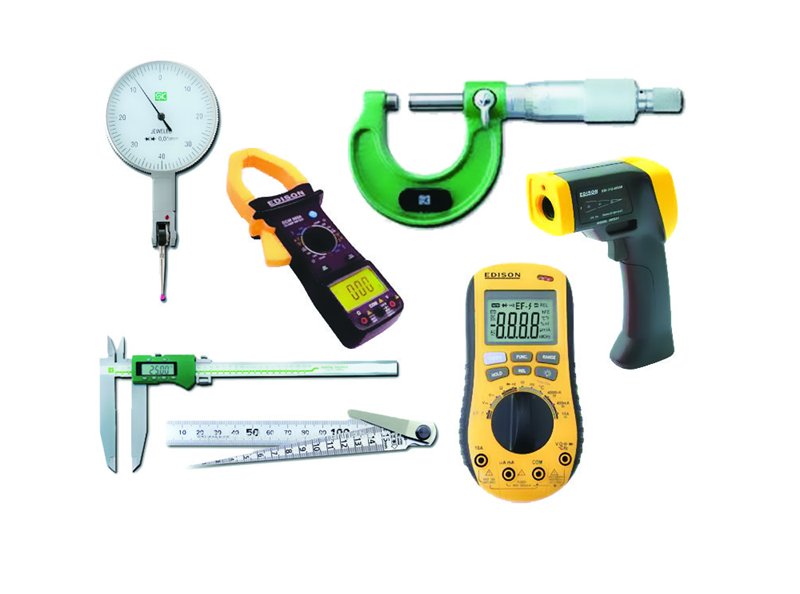
Measuring tools play an essential role in everyday life, construction, engineering, manufacturing, tailoring, and scientific work. Whether you are measuring the length of a table, the temperature of a room, or the weight of materials, the right measuring tool ensures accuracy and efficiency. Understanding the different types of measuring tools helps individuals choose the right instrument for their needs.
What Are Measuring Tools?
Measuring tools are instruments used to determine the size, quantity, temperature, weight, or capacity of objects or substances. They help maintain accuracy and consistency in tasks ranging from simple household measurements to advanced industrial operations.
Accurate measurement is important because even small errors can lead to incorrect results, material wastage, or safety risks in technical fields.
Types of Measuring Tools
There are several types of measuring tools based on what they measure. These tools can be grouped into categories such as length measuring tools, weight measuring tools, temperature measuring tools, volume measuring tools, and precision measuring tools.
1. Length Measuring Tools 
Length measuring tools are the most commonly used instruments. They are used to measure distance, height, width, and depth.
Measuring Tape
A measuring tape is one of the most widely used tools for measuring length. It consists of a flexible metal or plastic strip marked with measurement units such as centimeters and inches.
Uses:
- Measuring room dimensions
- Construction and carpentry work
- Tailoring and fabric measurement
- Furniture installation
Measuring tapes are available in different lengths, such as 3 meters, 5 meters, or even 50 meters for large-scale measurements.
Ruler or Scale
A ruler, also known as a scale, is a straight measuring tool typically made of plastic, metal, or wood. It is usually 15 cm or 30 cm long.
Uses:
- School and office work
- Drawing straight lines
- Measuring small objects
- Engineering drawings
Rulers are simple tools but provide accurate measurements for short distances.
Vernier Caliper
A vernier caliper is a precision measuring tool used to measure internal and external dimensions with high accuracy. It can measure depth, diameter, and thickness.
Uses:
- Mechanical engineering
- Metalworking
- Machine part measurement
- Laboratory work
Vernier calipers are commonly used where measurements must be extremely accurate.
Micrometer Screw Gauge
A micrometer screw gauge is another precision measuring instrument used to measure very small thicknesses or diameters.
Uses: 
- Measuring wire thickness
- Mechanical engineering
- Manufacturing industries
- Precision metalwork
It provides highly accurate measurements compared to rulers or measuring tapes.
2. Weight Measuring Tools
Weight measuring tools help determine the mass of objects. These tools are commonly used in homes, markets, laboratories, and industries.
Weighing Scale
A weighing scale measures the weight of objects. Modern digital weighing scales are widely used due to their accuracy and ease of use.
Uses: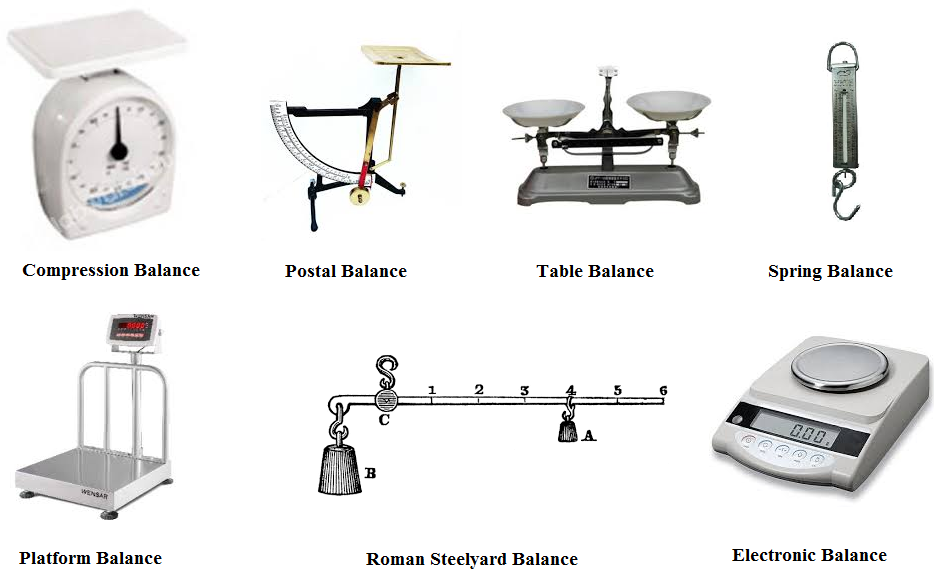
- Grocery stores
- Household kitchens
- Medical centers
- Industrial applications
There are different types of weighing scales such as digital scales, spring scales, and platform scales.
Beam Balance
A beam balance is a traditional weighing instrument that compares the weight of an object with known weights.
Uses:
- Laboratory measurements
- Educational purposes
- Traditional markets
Although digital scales are more popular today, beam balances are still used in scientific environments.
3. Temperature Measuring Tools 
Temperature measuring tools help determine how hot or cold an object or environment is.
Thermometer
A thermometer measures temperature using mercury, alcohol, or digital sensors.
Uses:
- Medical temperature checks
- Weather monitoring
- Cooking
- Industrial temperature control
Digital thermometers are commonly used today because they are safer and easier to read.
Infrared Thermometer
An infrared thermometer measures temperature without touching the object. It detects heat energy emitted by the object.
Uses:
- Medical screenings
- Industrial inspections
- Food safety checks
- Electrical maintenance
This type of thermometer became widely popular during health monitoring situations.
4. Volume Measuring Tools 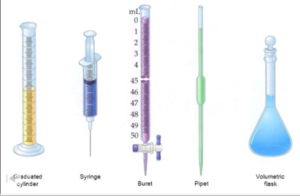
Volume measuring tools help determine the amount of liquid or space occupied by substances.
Measuring Cup
A measuring cup is commonly used in kitchens to measure liquids or dry ingredients.
Uses:
- Cooking and baking
- Food preparation
- Household measurements
Measuring cups are available in plastic, glass, or stainless steel materials.
Measuring Cylinder
A measuring cylinder is a laboratory tool used to measure liquid volume accurately.
Uses:
- Laboratory experiments
- Chemical measurements
- Educational demonstrations
It provides more accurate readings compared to household measuring cups.
Pipette
A pipette is used to measure and transfer small amounts of liquid precisely.
Uses:
- Laboratory testing
- Medical experiments
- Chemical analysis
Pipettes are important in research environments where accuracy is critical.
5. Angle Measuring Tools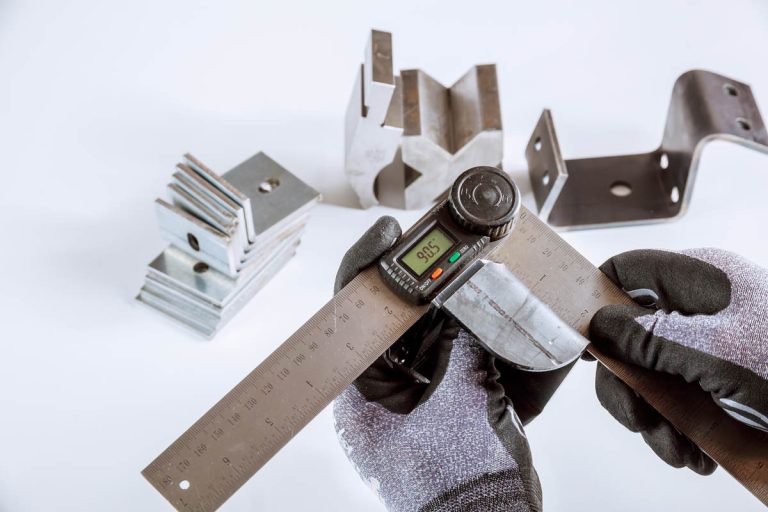
Angle measuring tools help determine angles between lines or surfaces.
Protractor
A protractor is a semicircular or circular tool used to measure angles in degrees.
Uses:
- Geometry work
- Engineering drawing
- Construction design
It is commonly used in schools and technical fields.
Spirit Level
A spirit level measures whether a surface is perfectly horizontal or vertical.
Uses:
- Construction
- Carpentry
- Furniture installation
- Wall mounting
It ensures that structures are properly aligned.
6. Pressure Measuring Tools 
Pressure measuring tools are used to measure force applied by liquids or gases.
Pressure Gauge
A pressure gauge measures pressure in systems such as pipelines and machines.
Uses:
- Industrial machinery
- Vehicle tire pressure
- Gas cylinders
- Hydraulic systems
Accurate pressure measurement is important for safety and equipment efficiency.
7. Speed Measuring Tools 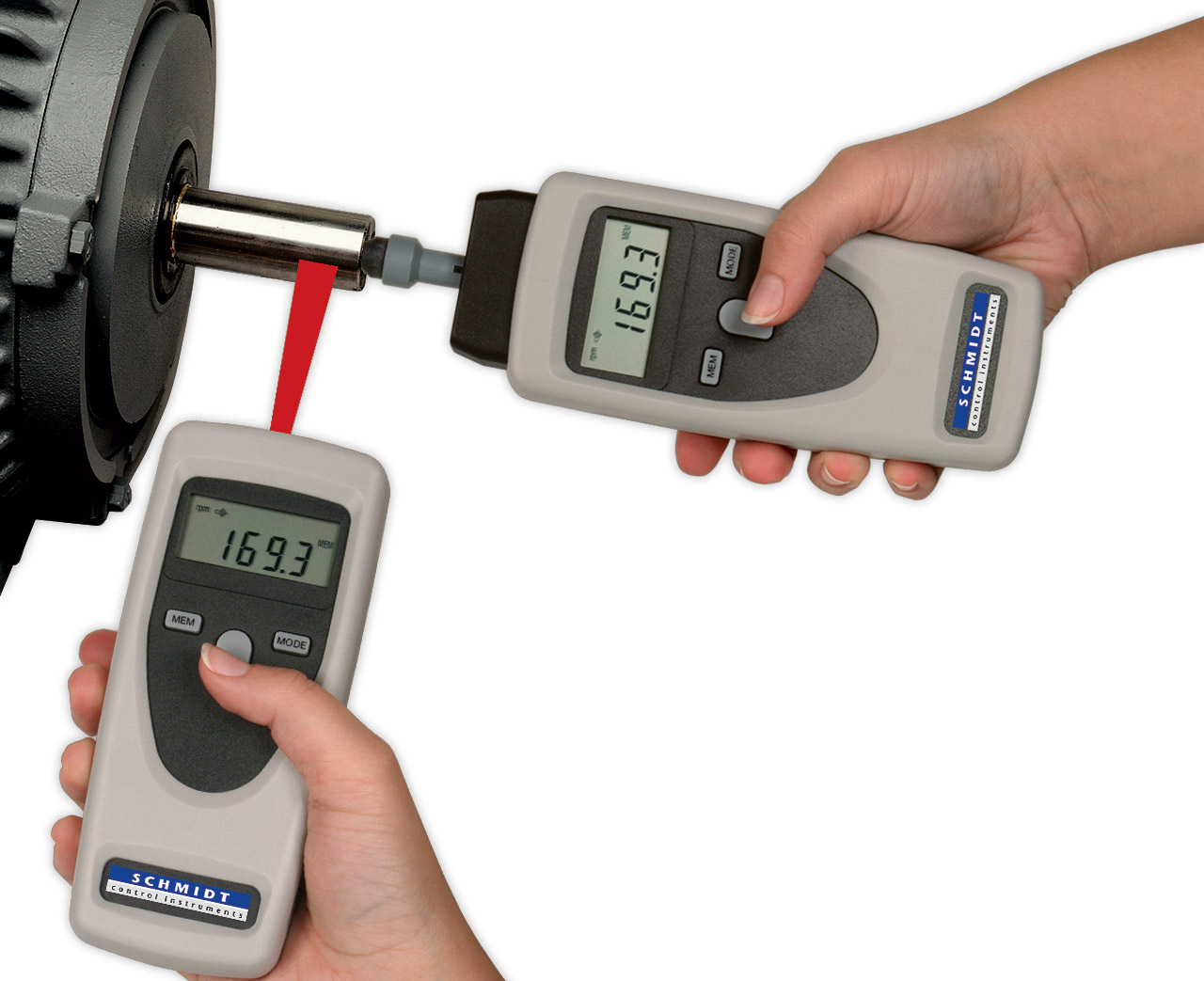
Speed measuring tools determine how fast an object moves.
Speedometer
A speedometer measures the speed of vehicles.
Uses:
- Cars
- Motorcycles
- Trucks
- Transportation monitoring
It helps drivers maintain safe speeds.
Tachometer
A tachometer measures the rotation speed of mechanical devices.
Uses:
- Engines
- Industrial machines
- Motor testing
It is essential for monitoring machine performance.
8. Electrical Measuring Tools 
Electrical measuring tools are used to measure voltage, current, and resistance.
Multimeter
A multimeter is a versatile instrument used to measure electrical values.
Uses:
- Electrical repair
- Electronics testing
- Circuit troubleshooting
- Engineering work
It is widely used by electricians and technicians.
Voltmeter
A voltmeter measures electrical voltage in circuits.
Uses:
- Electrical systems
- Battery testing
- Power supply monitoring
It helps ensure safe and efficient electrical operations.
Importance of Measuring Tools
Measuring tools are important in nearly every industry. They help ensure quality, safety, and efficiency.
Key Importance:
- Ensures accuracy in work
- Reduces material wastage
- Improves safety
- Enhances product quality
- Saves time and effort
Without measuring tools, many industries such as construction, medicine, and manufacturing would not function properly.
Choosing the Right Measuring Tool
Selecting the correct measuring tool depends on several factors.
Consider These Factors:
- Type of measurement required
- Required accuracy level
- Material being measured
- Working environment
- Budget and durability
For example, a ruler is suitable for basic measurements, while a micrometer is necessary for precision engineering work.
Maintenance Tips for Measuring Tools
Proper care of measuring tools increases their lifespan and accuracy.
Maintenance Tips:
- Clean tools after use
- Store in a dry place
- Avoid dropping precision instruments
- Calibrate tools regularly
- Protect from moisture and dust
Regular maintenance helps maintain reliable performance.
Conclusion
Measuring tools are essential instruments used in daily life, education, engineering, and industrial work. From simple rulers and measuring tapes to advanced tools like vernier calipers and multimeters, each tool serves a specific purpose. Understanding the different types of measuring tools and their uses helps individuals perform tasks more accurately and efficiently.
As technology continues to advance, measuring tools are becoming more precise and user-friendly. Whether you are a student, technician, builder, or hobbyist, knowing about various measuring tools is valuable knowledge that improves both productivity and accuracy.