
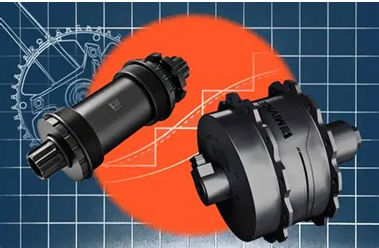
Electric bicycles, commonly known as e-bikes, have transformed modern transportation by combining traditional cycling with advanced motor technology. One of the most important components that determines how smooth and natural an e-bike feels is the Drehmomentsensor, also called a torque sensor. This smart technology allows the e-bike to respond naturally to your pedaling force, making riding more efficient, comfortable, and enjoyable.
What Is an E-Bike Drehmomentsensor?
A Drehmomentsensor (German term for torque sensor) is a device used in e-bikes to measure the force applied to the pedals. In simple words, it detects how hard the rider is pedaling and automatically adjusts motor assistance accordingly.
When you pedal harder, the motor provides more power. When you pedal lightly, the motor reduces assistance. This creates a riding experience that feels natural and responsive—similar to riding a traditional bicycle but with added strength.
Torque sensors are typically installed in:
- Bottom bracket
- Rear hub
- Crankset
- Mid-drive motor system
Modern premium e-bikes widely use torque sensors because they provide better efficiency and smoother power delivery.
How Does a Drehmomentsensor Work?
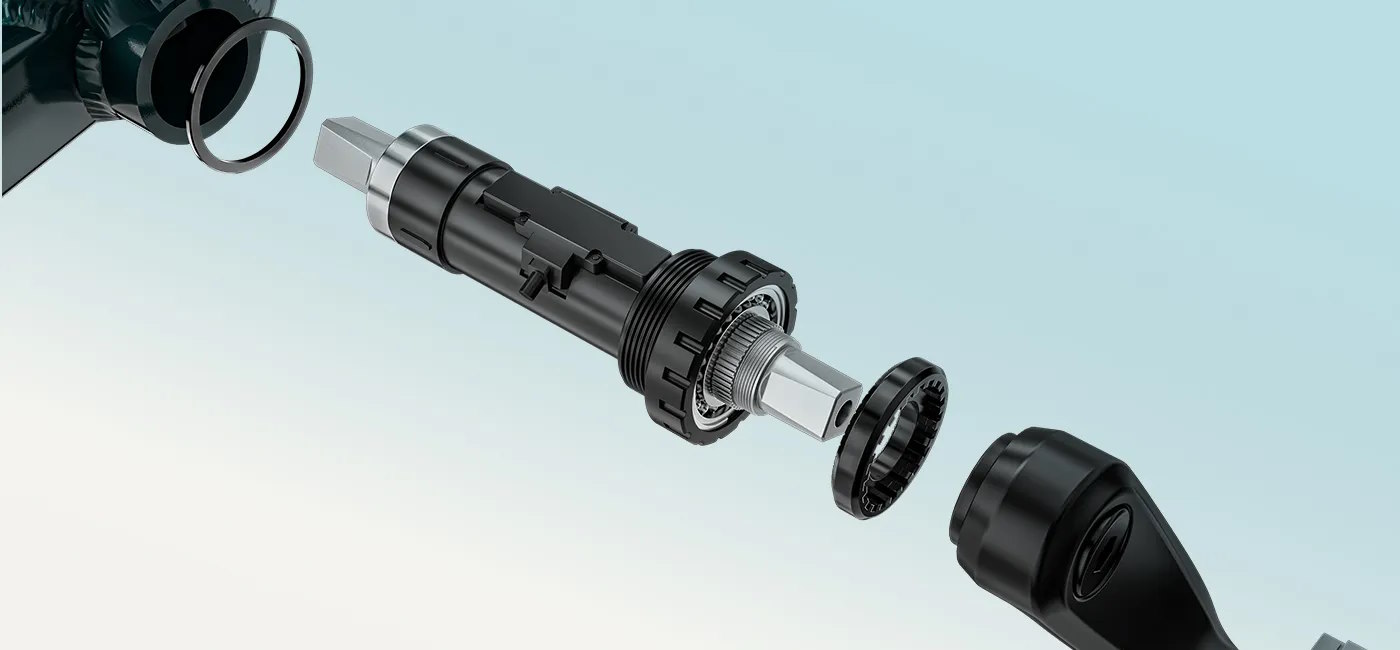
The working principle of a torque sensor is based on detecting mechanical strain. When you push the pedals, a small amount of force twists the crank or axle. The torque sensor measures this twisting force and converts it into an electrical signal.
Here is the basic working process:
- Pedaling Force Applied
The rider presses the pedals, generating mechanical force. - Sensor Detects Torque
The Drehmomentsensor measures the pressure or twisting force in the crank. - Signal Sent to Controller
The measured force is converted into electrical signals. - Motor Adjusts Power
The controller instructs the motor to supply matching assistance. - Smooth Riding Experience
The rider receives assistance proportional to effort.
This system creates seamless power delivery, especially useful for climbing hills, carrying loads, or long-distance travel.
Types of Sensors Used in E-Bikes
While torque sensors are advanced and popular, they are not the only sensors used in e-bikes. Understanding the differences helps you make informed decisions.
1. Torque Sensor (Drehmomentsensor)
- Measures pedaling force
- Provides natural riding feel
- Offers better efficiency
- More expensive than basic sensors
- Common in premium e-bikes
2. Cadence Sensor
A cadence sensor detects whether the pedals are moving, but not how hard you pedal.
Features:
- Turns motor on when pedaling starts
- Provides fixed motor assistance
- Less responsive
- More affordable
- Common in entry-level e-bikes
3. Speed Sensor
A speed sensor measures wheel rotation and speed.
Features:
- Helps maintain consistent speed
- Works together with other sensors
- Improves safety and efficiency
Among these, the torque sensor remains the most advanced and widely preferred for high-performance e-bikes.
Benefits of Using an E-Bike Drehmomentsensor
Torque sensors offer several advantages that significantly improve the overall riding experience.
1. Natural Riding Experience
The biggest benefit is how natural the bike feels. Instead of sudden motor bursts, power increases smoothly based on your effort.
This makes torque-sensor e-bikes ideal for:
- Daily commuting
- Fitness riding
- Long-distance touring
- Mountain biking
2. Improved Energy Efficiency
Torque sensors use battery power more efficiently. Since assistance is only provided when needed, energy consumption is reduced.
Benefits include:
- Longer battery life
- Increased riding range
- Reduced charging frequency
This makes torque sensors especially useful for riders who travel long distances.
3. Better Control on Hills
Climbing steep hills becomes easier because the motor increases assistance automatically when more force is applied.
Advantages:
- Less physical strain
- Improved climbing performance
- Reduced fatigue
This feature is especially valuable for riders in hilly regions.
4. Enhanced Safety
Smooth power delivery improves safety by preventing sudden acceleration. Riders maintain better control, especially in traffic or crowded areas.
Torque sensors also help with:
- Stable starts
- Controlled speed
- Reduced jerky motion
5. Fitness-Friendly Assistance
Torque sensors encourage active pedaling because motor assistance depends on effort.
This makes e-bikes suitable for:
- Exercise routines
- Weight management
- Cardiovascular fitness
Unlike fully motor-driven systems, torque sensors promote healthy cycling habits.
Torque Sensor vs Cadence Sensor: Key Differences
Many buyers compare torque sensors with cadence sensors before purchasing an e-bike. Here is a clear comparison.
| Feature | Torque Sensor | Cadence Sensor |
|---|---|---|
| Power Delivery | Smooth and responsive | Fixed and delayed |
| Riding Feel | Natural | Mechanical |
| Efficiency | High | Moderate |
| Battery Usage | Optimized | Higher consumption |
| Cost | Higher | Lower |
| Best For | Premium users | Budget users |
While cadence sensors are affordable, torque sensors provide superior performance and comfort.
Where Is the Drehmomentsensor Located?
Torque sensors can be placed in different parts of the e-bike, depending on the design.
Bottom Bracket Torque Sensor
- Most common location
- Measures pedal force directly
- Provides accurate readings
- Ideal for mid-drive motors
Rear Hub Torque Sensor
- Installed in rear wheel hub
- Suitable for hub motor systems
- Less complex installation
Crank-Based Torque Sensor
- Measures force directly from crank arms
- Offers reliable performance
- Common in advanced models
Each placement method has its advantages, but bottom bracket sensors are generally considered the most accurate.
Maintenance Tips for Torque Sensors
Torque sensors are durable but require proper care to maintain performance.
Keep the Sensor Clean
Dust, mud, and water can affect performance over time. Clean the bike regularly using a dry cloth or mild cleaning solution.
Avoid:
- High-pressure water sprays
- Direct water contact on sensor areas
Regular Inspection
Check the following components periodically:
- Crank arms
- Wiring connections
- Bottom bracket area
Early detection of issues prevents costly repairs.
Software Updates
Modern e-bikes often include digital control systems. Updating firmware improves performance and ensures compatibility with sensor functions.
Professional Servicing
Annual servicing by a qualified technician helps maintain accuracy and prolong sensor life.
Common Problems with Drehmomentsensor
Like any electronic component, torque sensors may occasionally face issues.
1. Inconsistent Power Delivery
This may occur due to:
- Loose wiring
- Sensor misalignment
- Software errors
2. Delayed Motor Response
Possible causes include:
- Faulty controller
- Low battery voltage
- Calibration problems
3. Sensor Failure
Although rare, sensor failure may occur due to:
- Water damage
- Mechanical stress
- Manufacturing defects
Professional diagnosis is recommended in such cases.
How to Choose an E-Bike with a Drehmomentsensor
Selecting the right e-bike involves evaluating multiple factors.
Consider Motor Type
Torque sensors are commonly paired with:
- Mid-drive motors
- High-quality hub motors
Mid-drive motors typically offer better balance and performance.
Check Sensor Quality
Choose e-bikes from reputable manufacturers that use reliable torque sensors. High-quality sensors ensure smooth operation and durability.
Battery Capacity
Since torque sensors improve efficiency, combining them with a large battery increases travel range.
Look for:
- High-capacity lithium batteries
- Long charging cycles
- Trusted battery brands
Intended Usage
Your riding purpose should influence your choice.
Urban Commuting:
Choose lightweight e-bikes with moderate motor power.
Mountain Riding:
Select powerful motors with precise torque sensors.
Long-Distance Touring:
Opt for large battery capacity and durable components.
Future of Drehmomentsensor Technology
Torque sensor technology continues to evolve with advancements in smart electronics and artificial intelligence.
Future improvements may include:
- AI-based riding optimization
- Adaptive motor learning systems
- Lightweight sensor materials
- Wireless sensor integration
These innovations will make e-bikes more intelligent, efficient, and user-friendly.
Why Torque Sensors Are Becoming Standard
Many modern e-bikes now include torque sensors as standard equipment because riders demand better comfort and performance.
Reasons for growing popularity include:
- Rising urban commuting trends
- Demand for eco-friendly transportation
- Improved battery technology
- Expansion of smart mobility solutions
As technology advances, torque sensors are likely to become common even in budget-friendly e-bike models.
Conclusion
The e-bike Drehmomentsensor is one of the most important innovations in modern electric bicycles. By measuring pedaling force and adjusting motor assistance accordingly, it creates a smooth, natural, and efficient riding experience. Compared to traditional cadence-based systems, torque sensors provide better control, improved battery efficiency, and enhanced riding comfort.
Whether you are commuting to work, exploring mountain trails, or enjoying long-distance rides, choosing an e-bike equipped with a torque sensor can significantly improve your cycling experience. With ongoing advancements in sensor technology and smart systems, torque sensors will continue to play a crucial role in the future of electric mobility.