

Engineering tools are essential instruments that help engineers design, build, test, and maintain structures, machines, and systems. Whether working in civil, mechanical, electrical, or software engineering, the right tools improve efficiency, accuracy, and safety. From simple hand tools to advanced digital software, engineering tools play a major role in transforming ideas into real-world solutions.
What Are Engineering Tools?
Engineering tools are devices, instruments, machines, or software used by engineers to perform tasks such as measurement, cutting, shaping, designing, assembling, testing, and maintenance. These tools help ensure precision, reliability, and productivity in engineering projects.
Engineering tools can be broadly divided into:
- Hand tools
- Power tools
- Measuring tools
- Machine tools
- Digital and software tools
- Safety tools
Each category serves a specific purpose depending on the engineering discipline.
Hand Tools Used in Engineering
Hand tools are the most basic and widely used tools in engineering workshops and construction sites. They are manually operated and suitable for small tasks and adjustments.
Common Hand Tools 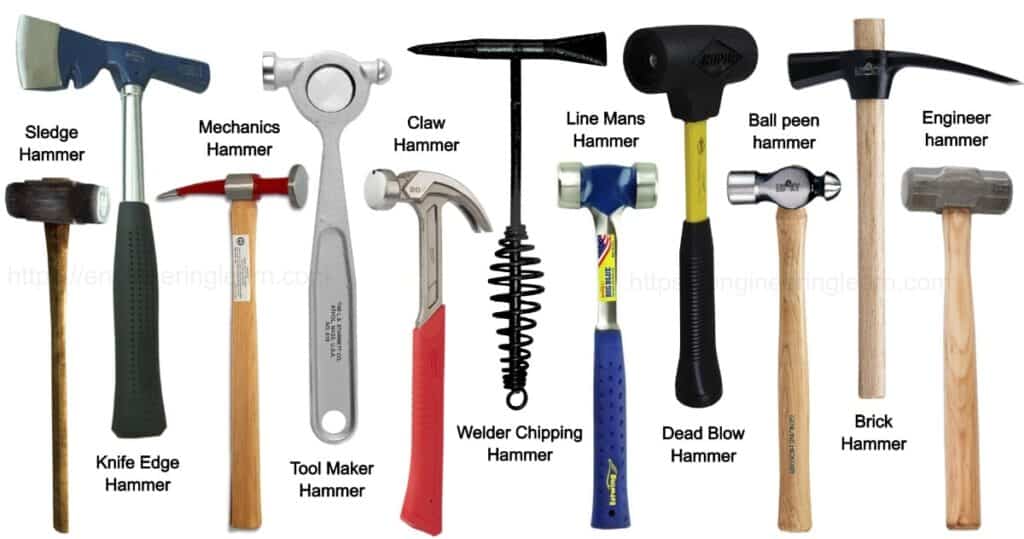
1. Hammer
A hammer is used to drive nails, break objects, or shape materials. It is commonly used in civil and mechanical engineering work.
2. Screwdriver
Screwdrivers are used to tighten or loosen screws. They come in different types such as flat-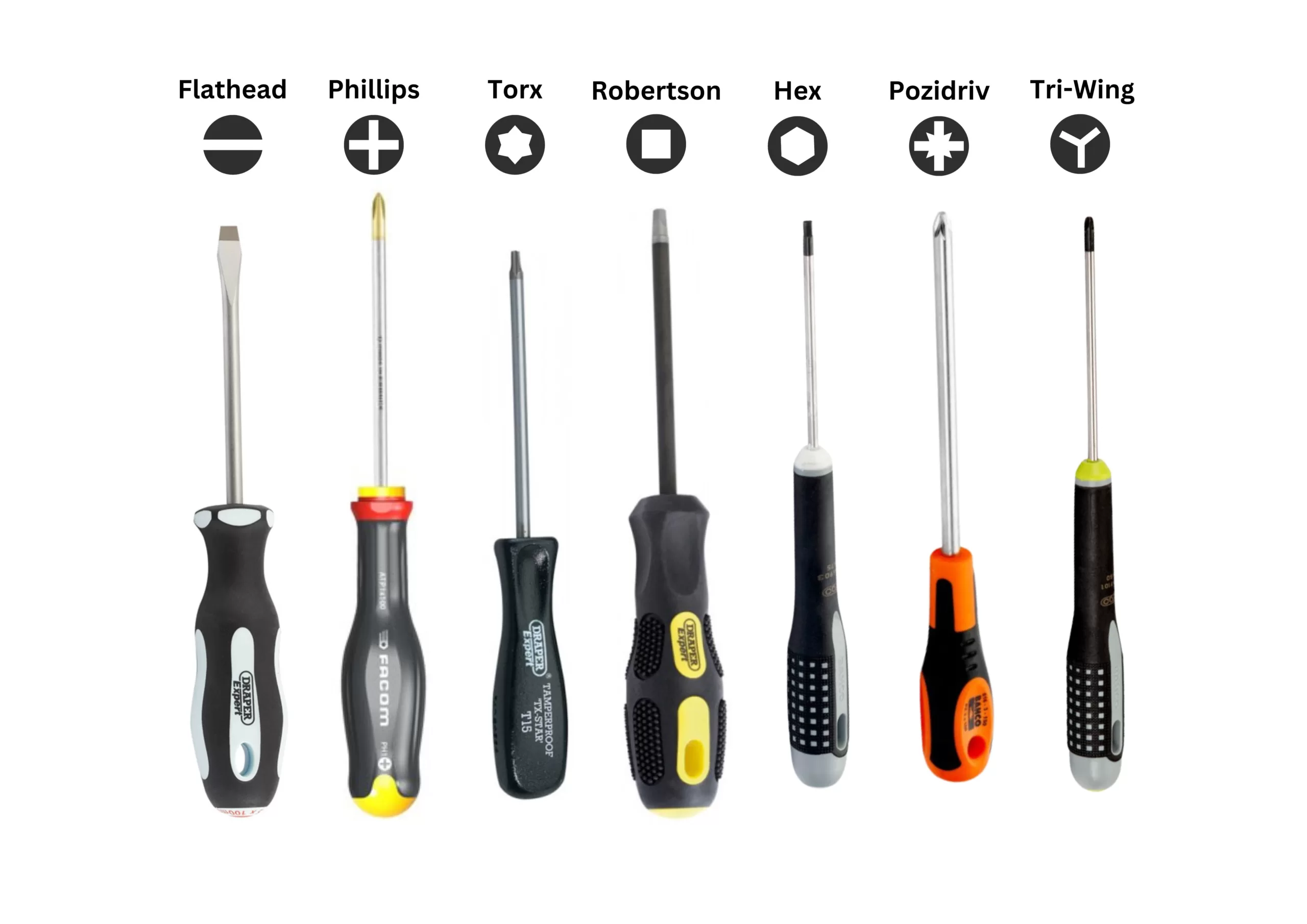 head and Phillips-head screwdrivers.
3. Spanner (Wrench) Spanners are used to tighten or loosen nuts and bolts. Adjustable spanners are popular because they fit multiple sizes.
4. Pliers ![15 Types of Pliers and How to Use Them [With Pictures] - Red Box Tools](https://www.redboxtools.com/wp-content/uploads/2023/11/Types-of-Pliers-jpg.webp)
Pliers help grip, bend, and cut wires or small components.
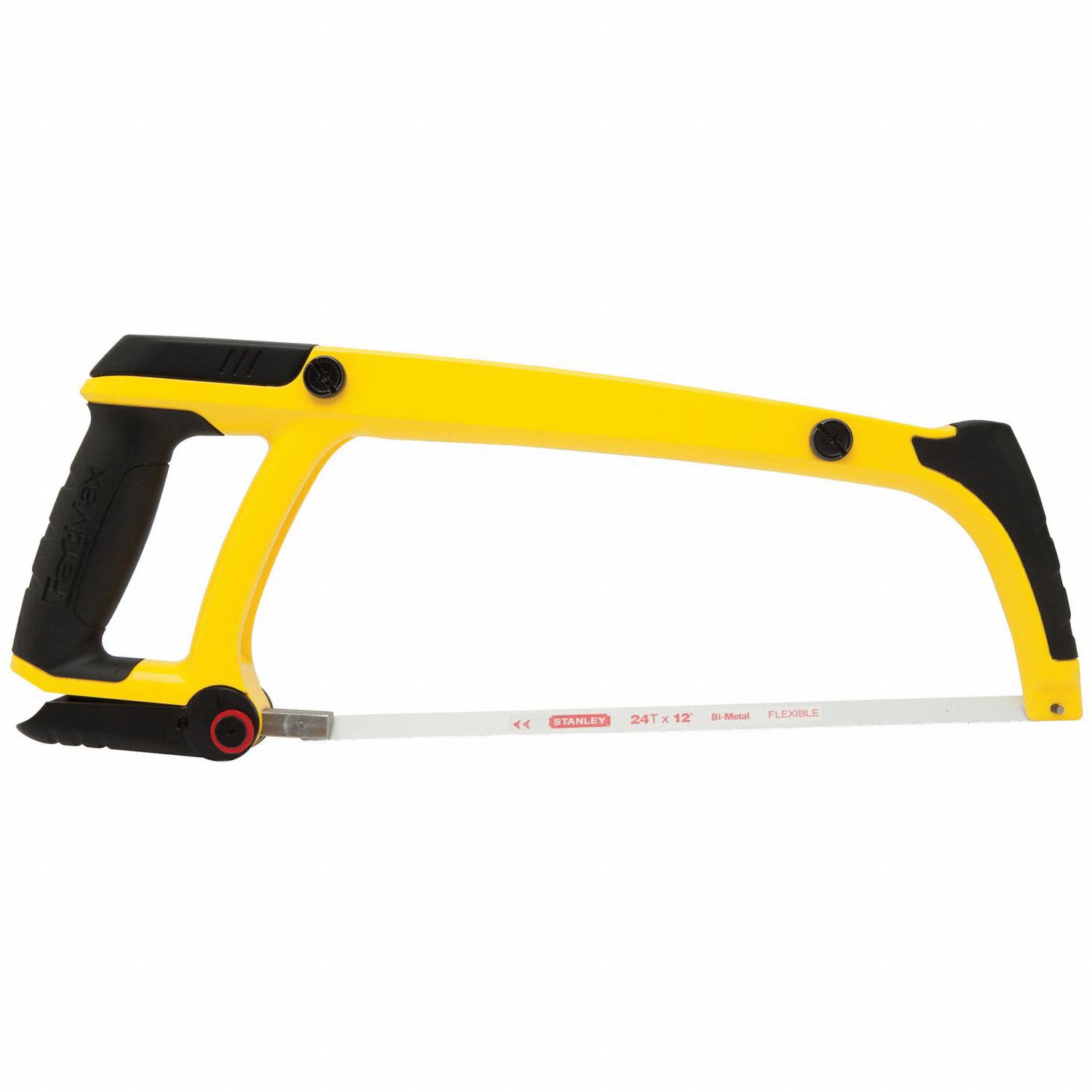
5. Hacksaw
A hacksaw is used to cut metal pipes, rods, and sheets.
Hand tools are affordable, easy to use, and essential for basic repair and assembly work.
Power Tools in Engineering
Power tools operate using electricity, batteries, or compressed air. They make tasks faster and reduce manual effort.
Popular Power Tools
1. Electric Drill
Electric drills are used to create holes in materials such as wood, metal, and concrete.
2. Angle Grinder
Angle grinders are used for cutting, polishing, and grinding metal or stone surfaces.
3. Circular Saw
Circular saws are used to cut wood, metal, or plastic sheets accurately.
4. Welding Machine
Welding machines join metal pieces together by melting and fusing them.
5. Impact Wrench
Impact wrenches are used to tighten or loosen heavy bolts quickly.
Power tools increase productivity and are widely used in manufacturing, construction, and maintenance industries.
Measuring Tools in Engineering
Accuracy is critical in engineering. Measuring tools help engineers maintain precise dimensions and ensure quality.
Essential Measuring Tools
1. Measuring Tape
Used to measure length, width, and height of materials and structures.
2. Vernier Caliper
A vernier caliper measures internal and external dimensions with high precision.
3. Micrometer
Micrometers measure very small distances and thicknesses accurately.
4. Spirit Level
Used to check whether a surface is horizontal or vertical.
5. Laser Distance Meter
Laser meters measure long distances quickly and accurately.
Measuring tools help reduce errors and improve the quality of engineering work.
Machine Tools in Engineering
Machine tools are large mechanical devices used to shape materials into desired forms. These tools are common in manufacturing industries.
Examples of Machine Tools
1. Lathe Machine
A lathe rotates a workpiece while cutting tools shape it into cylindrical forms.
2. Milling Machine
Milling machines remove material from surfaces to create shapes and slots.
3. Drilling Machine
Used to drill precise holes in metal and other materials.
4. CNC Machines (Computer Numerical Control)
CNC machines automate cutting, drilling, and shaping processes using computer programs.
5. Grinding Machine
Grinding machines smooth surfaces and improve finish quality.
Machine tools are crucial for mass production and precision manufacturing.
Digital and Software Tools in Engineering
Modern engineering heavily depends on digital tools and software to design and simulate projects.
Common Engineering Software Tools
1. Computer-Aided Design (CAD)
CAD software helps engineers create 2D and 3D designs of components and structures.
Examples include:
- AutoCAD
- SolidWorks
- CATIA
2. Computer-Aided Engineering (CAE)
CAE software simulates real-world conditions such as stress, heat, and motion.
3. Project Management Software
Tools like project planners help engineers manage tasks, budgets, and timelines.
4. Simulation Software
Simulation tools allow engineers to test models virtually before building them physically.
5. Programming Tools
Software engineers use programming tools and integrated development environments (IDEs) to create applications.
Digital tools reduce errors, save time, and improve collaboration among teams.
Safety Tools in Engineering
Safety is a top priority in engineering workplaces. Safety tools protect engineers and workers from accidents and injuries.
Important Safety Tools
1. Safety Helmet
Protects the head from falling objects.
2. Safety Gloves
Protect hands from cuts, burns, and chemicals.
3. Safety Goggles
Protect eyes from dust, sparks, and harmful particles.
4. Ear Protection
Reduces exposure to loud noise in industrial areas.
5. Fire Extinguisher
Used to control small fires and prevent major accidents.
Using safety tools reduces workplace hazards and ensures safe working conditions.
Engineering Tools Used in Different Fields
Engineering tools vary depending on the specific branch of engineering.
Civil Engineering Tools
Civil engineers use tools such as:
- Surveying instruments
- Concrete mixers
- Total stations
- Theodolites
- Soil testing equipment
These tools help in building roads, bridges, and buildings.
Mechanical Engineering Tools
Mechanical engineers commonly use:
- Lathe machines
- Milling machines
- Welding machines
- Cutting tools
- Measuring instruments
These tools help design and manufacture mechanical components.
Electrical Engineering Tools
Electrical engineers use:
- Multimeters
- Wire strippers
- Soldering irons
- Circuit testers
- Oscilloscopes
These tools help test and repair electrical systems.
Software Engineering Tools
Software engineers depend on digital tools such as:
- Code editors
- Version control systems
- Debugging tools
- Cloud platforms
- Testing frameworks
These tools help build reliable software systems.
Importance of Engineering Tools
Engineering tools are vital for completing projects efficiently and safely. Their importance includes:
1. Improved Accuracy
Precision tools ensure measurements and designs are accurate.
2. Increased Productivity
Power tools and machines complete tasks faster than manual work.
3. Better Quality
High-quality tools produce reliable and consistent results.
4. Enhanced Safety
Safety equipment reduces workplace injuries.
5. Cost Efficiency
Using the right tools reduces material waste and project delays.
Without proper tools, engineering projects would be slower, less accurate, and more expensive.
Choosing the Right Engineering Tools
Selecting the correct tools is essential for achieving good results. Engineers should consider:
- Purpose: Choose tools suitable for the task.
- Quality: Invest in durable and reliable tools.
- Ease of Use: Tools should be comfortable and user-friendly.
- Safety Features: Tools must meet safety standards.
- Maintenance Requirements: Choose tools that are easy to maintain.
Proper tool selection improves work efficiency and reduces risks.
Future Trends in Engineering Tools
Engineering tools continue to evolve with technological advancements.
1. Smart Tools
Tools with sensors and connectivity provide real-time data and feedback.
2. Automation and Robotics
Robotic tools perform repetitive tasks with high precision.
3. 3D Printing
3D printers create prototypes and parts quickly.
4. Artificial Intelligence Integration
AI-powered tools help analyze data and optimize designs.
5. Cloud-Based Collaboration
Engineers can work together remotely using cloud platforms.
These innovations are shaping the future of engineering and improving productivity worldwide.
Conclusion
Engineering tools are the backbone of modern engineering work. From simple hand tools like hammers and screwdrivers to advanced digital software and automated machines, these tools enable engineers to design, build, and maintain complex systems efficiently. Each type of engineering tool plays a unique role in ensuring accuracy, productivity, and safety.
As technology continues to advance, engineering tools will become smarter and more efficient, helping engineers tackle complex challenges and build innovative solutions for the future. Understanding the different types of engineering tools and their uses is essential for students, professionals, and anyone interested in the field of engineering.