
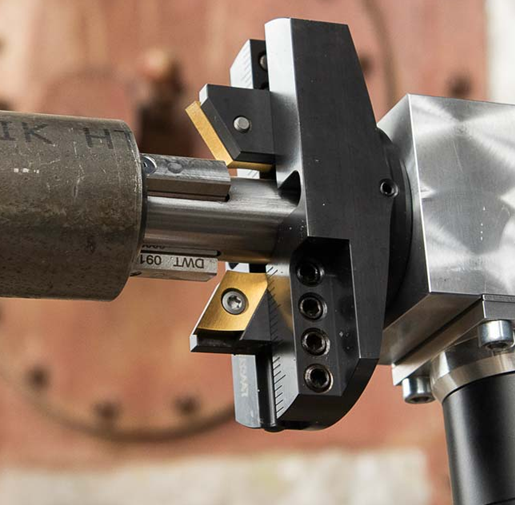
A single point cutting tool is one of the most essential tools used in machining and manufacturing industries. It is widely used in operations such as turning, shaping, and planing to remove material from a workpiece. This tool plays a vital role in shaping metal, plastic, and other materials into precise forms and dimensions.
What is a Single Point Cutting Tool?
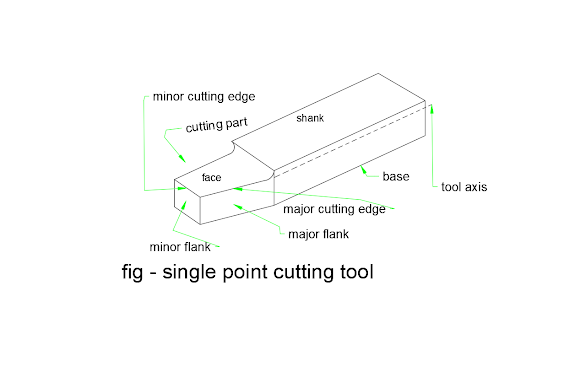
A single point cutting tool is a cutting tool that has only one cutting edge used to remove material from a rotating or stationary workpiece. It is commonly used in machines such as lathes, shapers, and planers.
The main function of a single point cutting tool is to remove excess material in the form of chips, thereby giving the workpiece the desired shape, size, and surface finish.
This tool is mainly used in turning operations, where the workpiece rotates while the cutting tool moves linearly against it.
Parts of a Single Point Cutting Tool
A single point cutting tool consists of several important parts that work together to perform the cutting process efficiently.
1. Shank
The shank is the main body of the cutting tool. It is the part that is held firmly in the tool holder of the machine. The shank provides strength and stability to the tool during cutting.
2. Face
The face is the top surface of the cutting tool over which the chips flow after being removed from the workpiece.
3. Flank
The flank is the surface below the cutting edge. It faces the machined surface and helps maintain proper clearance during cutting.
4. Cutting Edge
The cutting edge is the sharp edge that actually cuts the material. Since this tool has only one cutting edge, it is called a single point cutting tool.
5. Nose
The nose is the tip of the cutting tool where the side cutting edge and end cutting edge meet. It plays a significant role in improving surface finish.
6. Heel
The heel is the bottom part of the tool that supports the cutting edge.
Important Angles of a Single Point Cutting Tool
The efficiency of a single point cutting tool depends largely on its angles. These angles determine how effectively the tool cuts material.
Rake Angle
The rake angle helps in controlling chip flow and reducing cutting force. A proper rake angle improves cutting efficiency and reduces tool wear.
Clearance Angle
The clearance angle prevents rubbing between the tool and workpiece. It allows smooth cutting action.
Cutting Edge Angle
This angle determines the direction of chip flow and influences the strength of the cutting edge.
Nose Radius
The nose radius improves the surface finish of the machined component and increases tool strength.
Types of Single Point Cutting Tools 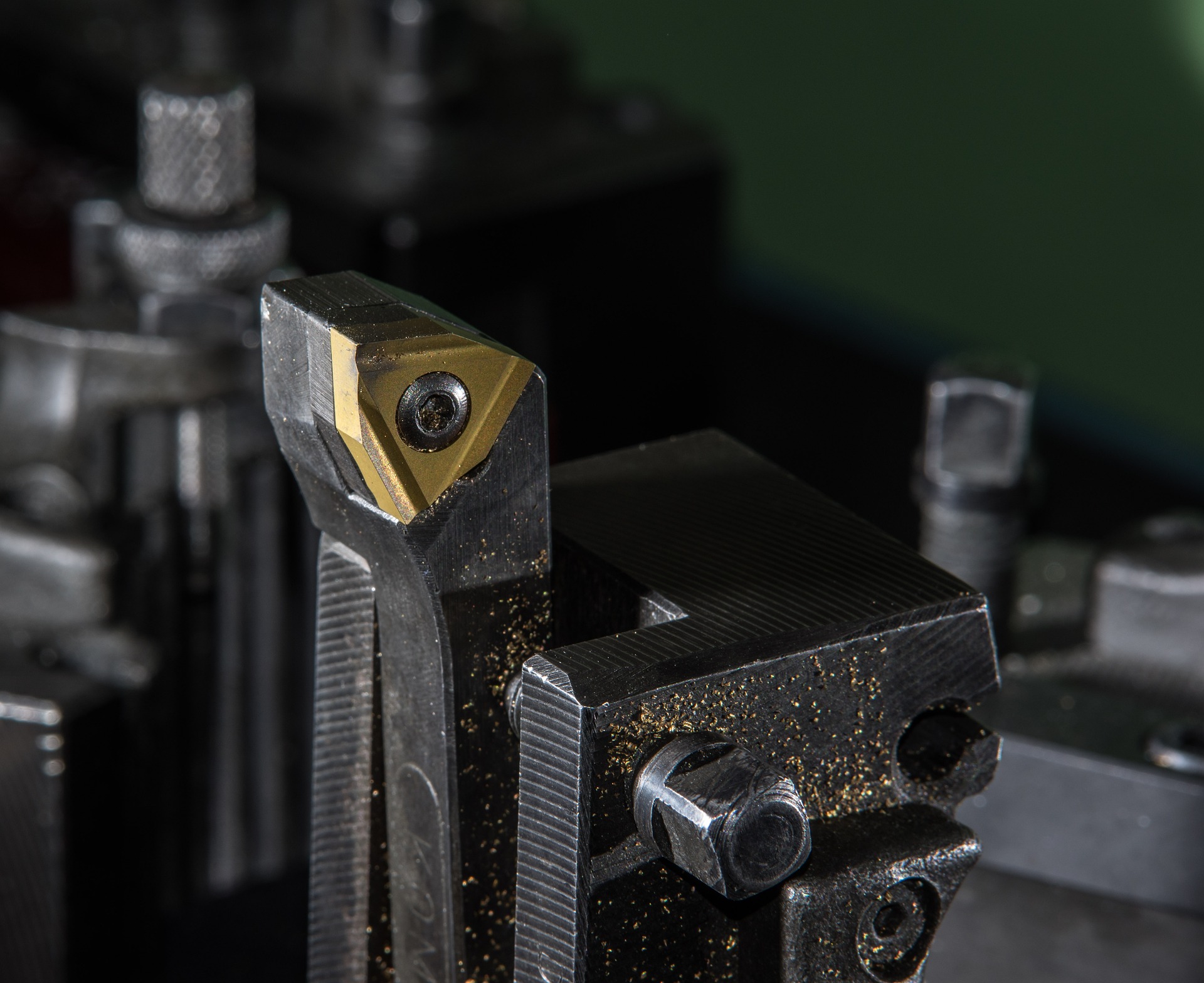
Single point cutting tools are classified based on different factors such as shape, use, and material.
1. Based on Shape
Straight Tool
This tool has a straight cutting edge and is commonly used for simple turning operations.
Bent Tool
A bent tool has a slight bend near the cutting edge. It allows better clearance and reduces interference during machining.
2. Based on Use
Turning Tool
Turning tools are used for reducing the diameter of a rotating workpiece.
Facing Tool
Facing tools are used to produce a flat surface at the end of a workpiece.
Parting Tool
Parting tools are used to cut off a portion of the workpiece.
Thread Cutting Tool
Thread cutting tools are used to produce threads on cylindrical surfaces.
Boring Tool
Boring tools enlarge existing holes in the workpiece.
3. Based on Tool Material
The material used in making cutting tools significantly affects their performance.
High-Speed Steel (HSS)
High-Speed Steel (HSS) is widely used due to its toughness and wear resistance.
Carbide Tools
Carbide tools are harder than HSS tools and can withstand higher cutting temperatures.
Ceramic Tools
Ceramic tools are used for high-speed machining operations due to their excellent heat resistance.
Diamond Tools
Diamond tools are extremely hard and used for precision machining of hard materials.
Tool Materials Used in Single Point Cutting Tools
Different materials are used to manufacture single point cutting tools depending on the application.
Carbon Steel
Carbon steel tools are inexpensive but less durable than other materials.
High-Speed Steel (HSS)
HSS tools are commonly used due to their good hardness and ability to retain cutting edges at high temperatures.
Carbides
Carbide tools provide high cutting speeds and longer tool life.
Ceramics
Ceramic tools are suitable for high-speed finishing operations.
Cubic Boron Nitride (CBN)
CBN tools are used for machining hardened steels.
Working Principle of a Single Point Cutting Tool
The working principle of a single point cutting tool is based on chip removal.
- The workpiece is fixed in the machine (usually a lathe).
- The tool is positioned against the workpiece.
- Either the tool or the workpiece moves relative to each other.
- The cutting edge removes material in the form of chips.
- The desired shape and size are achieved gradually.
This process continues until the required dimensions and surface finish are obtained.
Advantages of Single Point Cutting Tools
Single point cutting tools offer several benefits in machining operations.
Simple Design
They have a simple structure, making them easy to manufacture and maintain.
Cost-Effective
These tools are relatively inexpensive compared to multi-point cutting tools.
Easy to Sharpen
The single cutting edge makes sharpening easier.
Versatile
They can perform various operations such as turning, facing, threading, and boring.
Good Surface Finish
With proper angles and speeds, these tools can produce smooth surface finishes.
Limitations of Single Point Cutting Tools
Despite their advantages, single point cutting tools also have some limitations.
Slower Material Removal
Since only one cutting edge is used, the rate of material removal is slower compared to multi-point tools.
Higher Tool Wear
Continuous cutting may lead to faster wear.
Limited Productivity
They are less productive for large-scale mass production compared to multi-point tools like milling cutters.
Applications of Single Point Cutting Tools
Single point cutting tools are widely used in various industries.
Lathe Operations
They are primarily used in lathe machines for turning, facing, threading, and grooving operations.
Shaping Machines
Used for producing flat surfaces and grooves.
Planing Machines
Planers use single point cutting tools for machining large surfaces.
Automotive Industry
Used for manufacturing engine components, shafts, and gears.
Aerospace Industry
Used in producing precision components.
Tool Rooms
Widely used in maintenance and repair operations.
Factors Affecting Performance of Single Point Cutting Tools
Several factors influence the performance and lifespan of single point cutting tools.
Cutting Speed
Higher cutting speeds increase productivity but may increase tool wear.
Feed Rate
Feed rate determines the amount of material removed per revolution.
Depth of Cut
Depth of cut affects machining time and cutting force.
Tool Material
Harder materials provide longer tool life.
Workpiece Material
Different materials require different cutting conditions.
Maintenance and Care of Single Point Cutting Tools
Proper maintenance improves tool life and performance.
- Keep tools sharp
- Use proper cutting fluids
- Avoid excessive cutting speeds
- Store tools safely
- Inspect tools regularly for wear
Regular maintenance ensures efficient and safe machining operations.
Difference Between Single Point and Multi-Point Cutting Tools
Understanding the difference between single point and multi-point tools helps in selecting the right tool.
| Feature | Single Point Tool | Multi-Point Tool |
|---|---|---|
| Cutting Edges | One | Multiple |
| Speed | Slower | Faster |
| Accuracy | High | High |
| Cost | Lower | Higher |
| Examples | Lathe Tool | Milling Cutter, Drill |
Future Trends in Cutting Tool Technology
Modern manufacturing industries are continuously improving cutting tool technologies.
Some emerging trends include:
- Coated cutting tools for longer life
- CNC-compatible precision tools
- Smart tool monitoring systems
- Advanced carbide and ceramic materials
- High-speed machining technologies
These innovations help improve productivity and machining quality.
Conclusion
A single point cutting tool is a fundamental tool in machining operations and remains widely used in manufacturing industries. Its simple design, versatility, and cost-effectiveness make it suitable for various machining processes such as turning, facing, boring, and threading.
Understanding the parts, types, materials, and working principles of single point cutting tools helps operators and engineers select the right tool for specific applications. With proper maintenance and correct cutting conditions, these tools can provide accurate machining results and long service life.
As technology advances, single point cutting tools continue to evolve, offering improved performance, durability, and precision to meet modern manufacturing demands.