
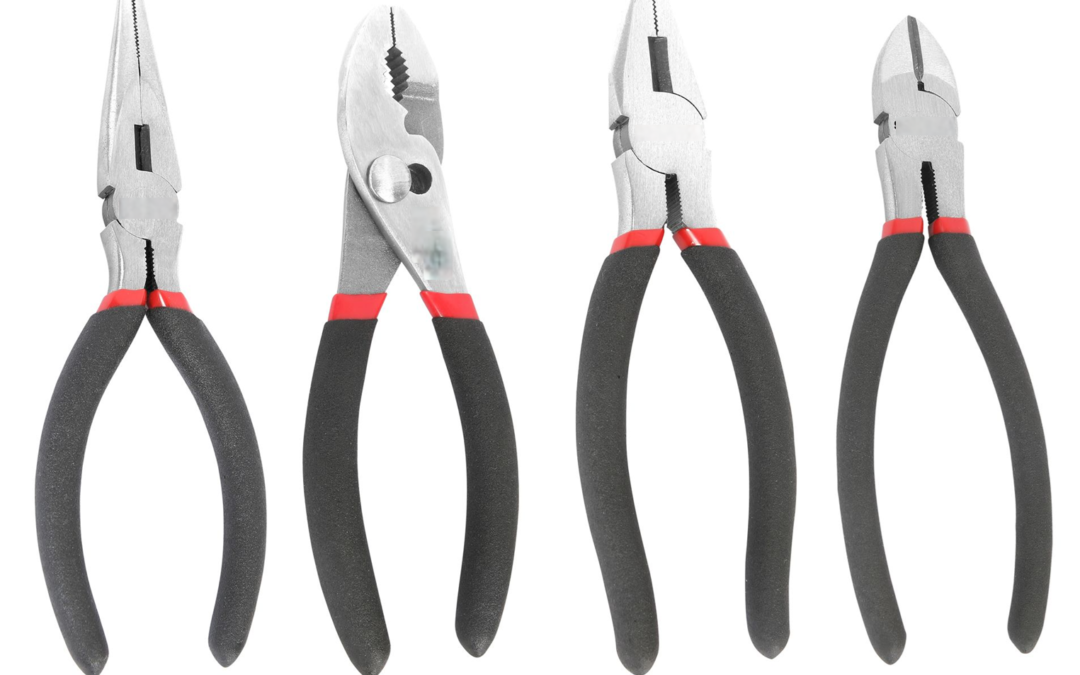
Pliers Tool are among the most essential hand tools found in homes, workshops, construction sites, and industrial environments. Whether you are a professional electrician, mechanic, carpenter, or a DIY enthusiast, pliers play a vital role in gripping, bending, cutting, and holding different materials. Their versatility and ease of use make them a must-have tool in every toolbox.
What Is a Pliers Tool? 
Pliers are handheld tools designed primarily for gripping, bending, twisting, cutting, or holding objects firmly. They consist of two metal levers joined at a pivot point called a fulcrum. The handles are squeezed together to apply force at the jaws, allowing users to grip objects securely.
The design of pliers allows users to apply more pressure than fingers alone, making them extremely useful when working with wires, pipes, nails, bolts, and other materials.
Pliers are commonly used in:
- Electrical work
- Plumbing
- Mechanical repairs
- Construction
- Jewelry making
- DIY home repairs
Main Parts of a Pliers Tool
Understanding the parts of pliers helps users operate them more effectively.
1. Jaws 
The jaws are the working end of the pliers used to grip or hold materials. They may have flat, serrated, or curved surfaces depending on the type of pliers.
2. Pivot Point
This is the central joint that connects the two halves of the pliers. It allows the handles to open and close smoothly.
3. Handles
Handles provide grip and leverage. Most modern pliers have rubber-coated or insulated handles for comfort and safety.
4. Cutting Edge
Some pliers include built-in cutting edges near the jaws to cut wires or small metal pieces.
Types of Pliers Tools
There are many types of pliers, each designed for specific tasks. Here are the most commonly used ones.
1. Combination Pliers 
Combination pliers are one of the most widely used types. They are designed to grip, twist, bend, and cut wires.
Common Uses:
- Electrical wiring
- Holding nuts and bolts
- Cutting small wires
- General household repairs
These pliers are often found in basic toolkits because they perform multiple functions.
2. Long Nose (Needle Nose) Pliers
Long nose pliers have thin, pointed jaws that allow users to reach tight spaces.
Common Uses:
- Working in narrow areas
- Bending small wires
- Jewelry making
- Electronics repair
They are especially useful for electricians and hobbyists.
3. Diagonal Cutting Pliers 
Also known as side cutters, diagonal cutting pliers are specifically designed to cut wires.
Common Uses:
- Cutting electrical wires
- Removing pins
- Trimming small metal pieces
These pliers are essential in electrical and electronic work.
4. Slip-Joint Pliers 
Slip-joint pliers have an adjustable pivot point that allows the jaws to open wider.
Common Uses:
- Gripping objects of different sizes
- Plumbing work
- Holding pipes or rods
Their adjustable design makes them highly versatile.
5. Locking Pliers (Vice-Grip) 
Locking pliers can be locked into place, allowing users to hold objects without continuous pressure.
Common Uses:
- Holding materials tightly
- Welding work
- Removing damaged bolts
They are extremely helpful when extra gripping force is needed.
6. Water Pump Pliers 
Water pump pliers have adjustable jaws designed to grip pipes and plumbing fittings.
Common Uses:
- Plumbing repairs
- Pipe installation
- Holding round objects
These are commonly used by plumbers.
7. Cutting Pliers 
Cutting pliers are designed primarily for cutting wires and cables.
Common Uses:
- Cutting electrical wires
- Cable trimming
- Small metal cutting
They are essential in electrical work.
Materials Used in Pliers
Most pliers are made from strong materials to ensure durability and reliability.
High-Carbon Steel
High-carbon steel is commonly used because it is strong and resistant to wear.
Chrome-Vanadium Steel
This material provides extra strength and corrosion resistance, making it suitable for heavy-duty use.
Insulated Materials
Some pliers have insulated handles designed to protect users from electrical shocks.
Common Uses of Pliers
Pliers are widely used across many industries and household tasks.
Electrical Work
Electricians use pliers to cut, strip, bend, and twist wires during installation and repairs.
Plumbing
Plumbers use pliers to grip pipes, tighten fittings, and hold components securely.
Mechanical Repairs
Mechanics use pliers to remove clips, hold parts, and cut wires in vehicles.
DIY and Home Repairs
Homeowners use pliers for simple tasks such as tightening screws, bending metal wires, and removing nails.
Craft and Jewelry Making
Artists and jewelers use needle nose pliers for delicate work involving small materials.
Advantages of Using Pliers
Pliers offer many benefits that make them essential tools.
Strong Grip
They provide better grip strength than hands alone.
Versatility
Different types of pliers can perform multiple tasks.
Durability
High-quality pliers last for many years with proper care.
Ease of Use
They are simple tools that require minimal training.
Safety Tips When Using Pliers
Using pliers incorrectly can lead to injuries. Follow these safety tips for safe operation.
Use the Right Type
Always choose the correct pliers for the specific job.
Wear Safety Gear
Use gloves and safety glasses when working with wires or sharp objects.
Avoid Excessive Force
Do not apply too much pressure, as it may damage the tool or material.
Keep Hands Dry
Dry hands prevent slipping while handling pliers.
Inspect Before Use
Check for cracks, rust, or loose joints before using the tool.
Maintenance Tips for Pliers
Proper maintenance increases the lifespan of pliers.
Clean After Use
Remove dirt, grease, and metal particles after every use.
Lubricate the Pivot
Apply a small amount of oil to the pivot joint to ensure smooth movement.
Store Properly
Keep pliers in a dry toolbox to prevent rust.
Sharpen Cutting Edges
If the cutting edge becomes dull, sharpen it or replace the tool.
How to Choose the Right Pliers
Choosing the right pliers depends on your needs and the type of work you perform.
Consider the Purpose
Select pliers designed specifically for the task you need.
Check Material Quality
Look for pliers made from durable steel materials.
Choose Comfortable Handles
Rubber-coated handles provide better grip and comfort.
Look for Insulated Handles
If working with electricity, choose insulated pliers.
Select the Correct Size
Choose a size suitable for your hand and the work you perform.
Future Trends in Pliers Tools
Modern pliers are becoming more advanced with ergonomic designs and improved materials. Manufacturers are introducing tools with:
- Better grip technology
- Lightweight materials
- Rust-resistant coatings
- Multi-function designs
- Smart insulated tools for electrical safety
These improvements help users work more efficiently and safely.
Conclusion
Pliers are one of the most versatile and essential tools used in households and professional settings. From gripping and bending wires to cutting cables and tightening components, pliers make many tasks easier and safer. With various types available, each designed for specific functions, selecting the right pliers ensures better performance and longer tool life.
By understanding the types, uses, safety measures, and maintenance practices associated with pliers, users can maximize the efficiency of this simple yet powerful tool. Whether you are a beginner or a professional, having a reliable set of pliers in your toolbox is always a smart investment.