
Engines power our world, from cars humming on highways to jets soaring through skies. Whether internal combustion, diesel, or electric, every engine relies on precisely engineered parts working in harmony. This guide breaks down the essential components of a typical internal combustion engine—the most common type in vehicles—explaining their roles, how they interact, and why maintenance matters. No jargon overload; just clear facts to help you appreciate the mechanical marvel under your hood.
The Core of the Engine: Block and Cylinder Head
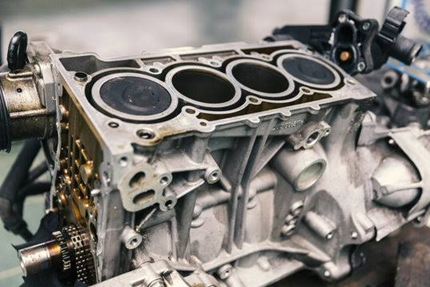
At the heart lies the engine block, often cast from iron or aluminum alloy for strength and heat dissipation. It houses the cylinders where combustion occurs. Modern blocks feature four, six, or eight cylinders in configurations like inline, V-shaped, or boxer layouts.
Capped by the cylinder head, this seals the combustion chamber. Made from aluminum for lightweight efficiency, it contains valves, spark plugs, and passages for coolant and oil. The head gasket—a thin, durable seal between block and head—prevents leaks of gases, coolant, or oil. A blown gasket can lead to overheating and engine failure, underscoring its critical role.
Pistons and Connecting Rods: Inside each cylinder, the piston moves up and down like a plunger. Crafted from lightweight aluminum with rings for airtight seals, it compresses the air-fuel mixture. The connecting rod links the piston to the crankshaft, converting linear motion into rotation. Forged steel rods handle immense forces—up to 10,000 RPM in high-performance engines.
The Rotating Powerhouse: Crankshaft and Camshaft
The crankshaft is the engine’s backbone. This long, offset steel shaft turns the pistons’ reciprocating motion into torque. Counterweights balance it, reducing vibrations. Supported by main bearings lubricated by pressurized oil, it connects to the flywheel, which smooths power delivery to the transmission.
Timing the valves falls to the camshaft. Lobes on the shaft push rocker arms or directly actuate valves via hydraulic lifters. In overhead cam (OHC) designs, it’s mounted in the head for precise control. A timing belt or chain synchronizes camshaft and crankshaft rotation—slippage here spells disaster, bending valves or worse.
Breathing and Ignition: Valves, Spark Plugs, and Intake/Exhaust Systems
Engines “breathe” through intake and exhaust valves. Intake valves admit the air-fuel mix; exhaust valves expel burned gases. Spring-loaded and made from heat-resistant alloys, they open and close hundreds of thousands of times per drive.
Spark plugs ignite the mixture. A central electrode sparks across a gap to the grounded shell, timed by the ignition coil and distributor (or modern coil-on-plug systems). Electrode materials like iridium last longer, firing reliably up to 100,000 miles.
Fuel delivery starts with the intake manifold, distributing air from the throttle body. In carbureted engines (rarer now), a carburetor mixes fuel; fuel-injected systems use electronic injectors for precision. The exhaust manifold collects gases, routing them to the catalytic converter, which reduces emissions via chemical reactions.
Fuel and Air Management: Critical for Efficiency
The fuel pump—electric in modern tanks—pressurizes gasoline to injectors. Diesel engines use high-pressure common-rail systems for finer atomization, boosting efficiency.
Turbochargers or superchargers force extra air into cylinders, increasing power without larger engines. A turbine spun by exhaust gases drives the compressor, but intercoolers cool the heated intake air.
Cooling and Lubrication: Keeping It Cool and Smooth
Overheating destroys engines, so the cooling system circulates coolant via water pump, radiator, and thermostat. Fins and fans aid heat dissipation; electric fans in modern cars save fuel.
Oil lubricates moving parts, reducing friction and carrying away heat/debris. The oil pump circulates it through passages to bearings, pistons, and cams. Filters trap contaminants; synthetic oils withstand extremes better. Low oil pressure triggers warning lights for a reason—seizure follows neglect.
Ancillary Components: Sensors, Belts, and More
Electronic brains like the ECU (Engine Control Unit) monitor oxygen sensors, crankshaft position sensors, and mass airflow sensors. It adjusts fuel, timing, and idle for optimal performance and emissions.
Timing belts/chains, serpentine belts (driving alternator, power steering, AC), and hoses ensure synchronization and accessories run. The alternator recharges the battery, powering electronics.
Electric and Hybrid Evolutions
While this focuses on combustion engines, hybrids blend them with electric motors. Key parts include battery packs, inverters, and regenerative braking systems. Full EVs ditch pistons for motors, controllers, and power electronics—but understanding combustion basics aids all.
Maintenance Tips for Longevity
Regular care extends engine life:
- Oil changes: Every 5,000-10,000 miles, per manufacturer specs.
- Tune-ups: Replace plugs, wires, filters every 30,000 miles.
- Coolant flush: Every 2-5 years to prevent corrosion.
- Belt inspections: Cracks mean replacement.
- Listen for knocks, check leaks, and use quality fuel.
Diagnostics via OBD-II scanners catch issues early.
Why It All Matters
Engines convert chemical energy to motion with 20-40% efficiency—impressive for 100+ moving parts. Innovations like variable valve timing (VVT), direct injection, and cylinder deactivation squeeze more from less fuel.