
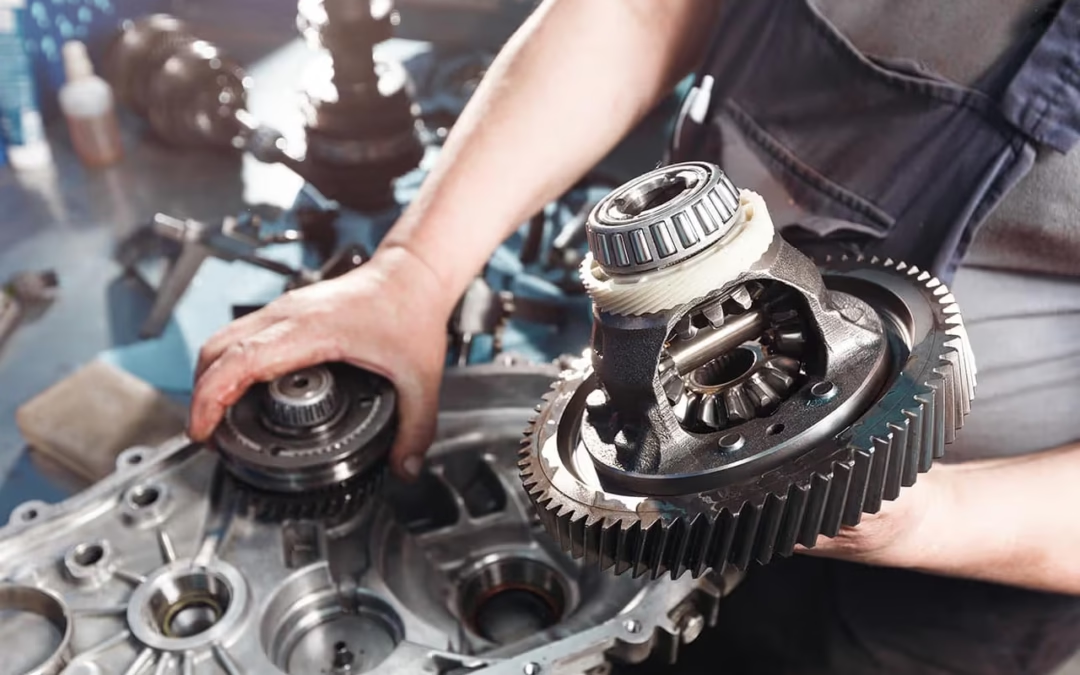
Have you thought what basically happens when you apply the accelerator? The engine makes the power. However, that power still needs a way to reach the wheels. This is where the car transmission part comes in. The transmission consists of many parts that interact. It’s got a specific task to do. So long as all of those things are in working order, your car will start, go, stop, and coast very nicely. The funny thing is you really don’t see very many of them.
Why Car Transmission Parts Matter
Consider the transmission a sort of bridge between the engine and the wheels. The engine gains power in intervals. In another form, the wheels require that power. The transmission manages this difference. Your car requires additional pulling force in order to get rolling from a standstill. It requires an entirely separate ratio for fast highway driving. That simple change is partially why car transmission parts are so critical.
The Clutch Has a Tough Job
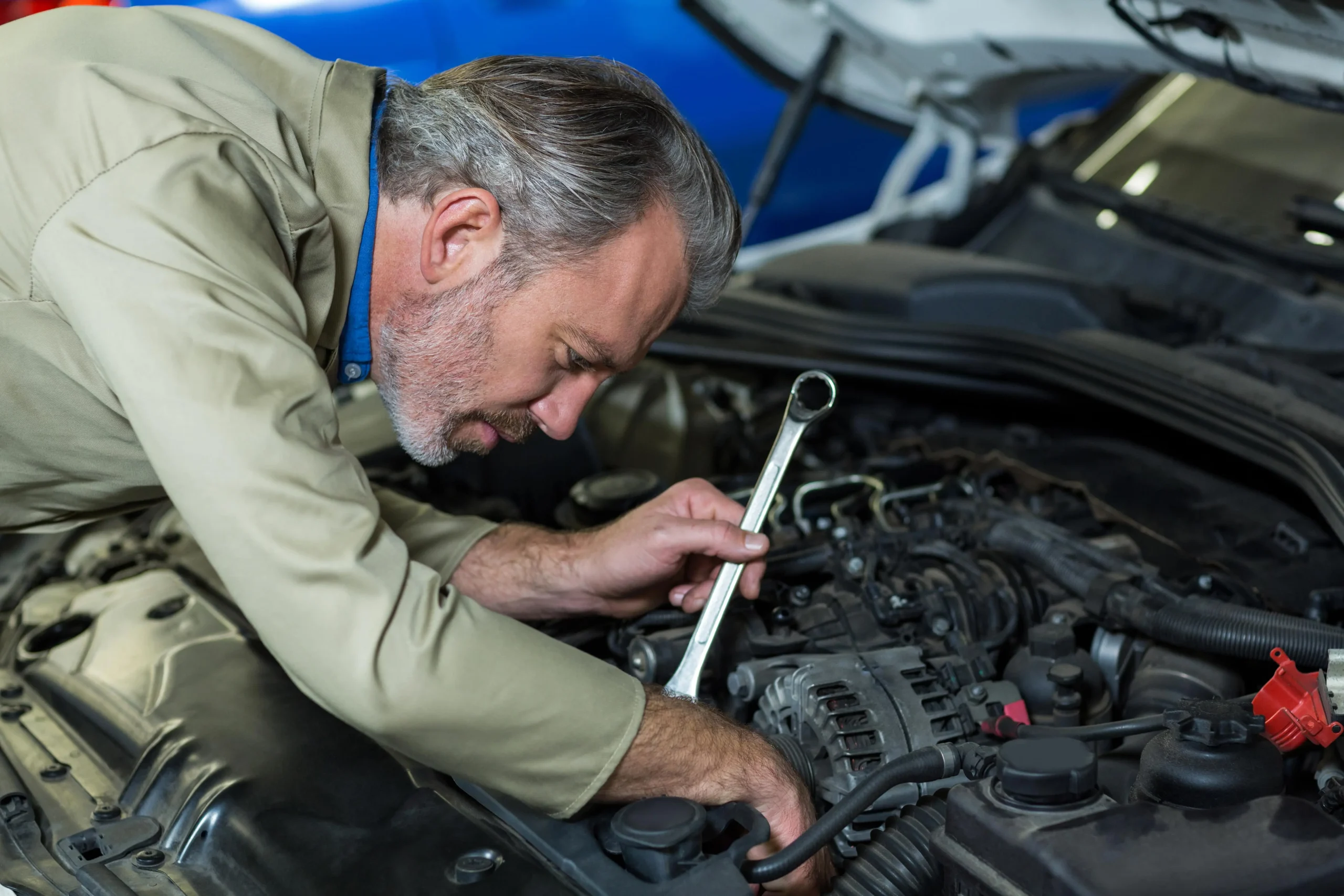
This is different on a manual, where the clutch attaches to both the engine and transmission. The connection alters when the clutch pedal is pressed. This allows you to upshift into another gear without risking damage to the transmission. There are a few key parts that comprise a clutch. These may comprise the clutch disc, pressure plate, and release bearing. You can get some hints of a worn clutch. You might find the engine revs high without power proportional. The car can also shake when you pull away from a stop. These signs deserve attention.
Car Transmission Parts: The Powerful Parts Behind Every Smooth Drive
Gears Control Power
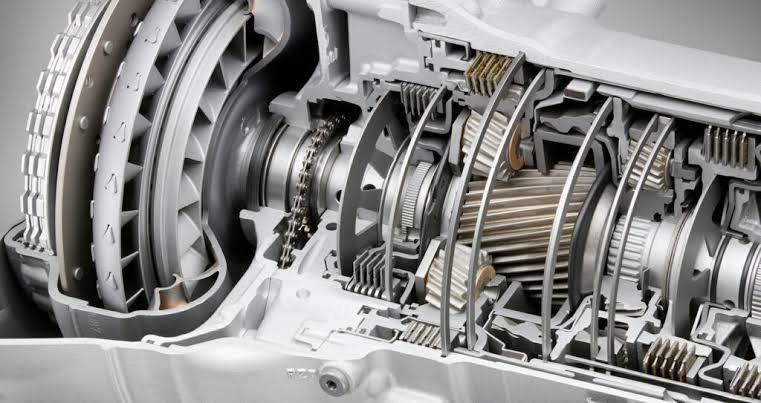
Gears sound very simple and are actually a rather clever solution to a problem. Then gear is for more natural pulling power. With a higher gear, the car can run faster at a lower engine speed. This is the reason your car does not remain in first gear on the highway. Gears and shafts are buried inside a gearbox. Bearings enable things to move; seals help keep the fluid where it is supposed to be. Every component has a role.
Automatic Cars Work Differently
A different system is used by automatic transmissions. In fact, many automatic transmissions use a torque converter instead of a manual clutch. It channels engine power through transmission fluid. The design is such that the engine can be kept running even while the vehicle is stopped. Newer automatic transmissions may also feature electronic controls. These functions determine when and how the transmission changes gears. A simple gear change is a complex mix of mechanical and electronic systems working together.
Transmission Fluid Is More Important Than It Looks
Transmission fluid often gets overlooked. That is a mistake. It lubricates parts, and it controls heat. It can also (in many automatic transmissions) help operate hydraulic systems that are used during shifting. This is where a leak can become really problematic. Check for fluids under your vehicle. Pay attention to unusual smells, hot exhaust, or odd shifting. However, do not take it for granted that every leak happens to be from the transmission. There is also a possibility that engine oil and similar fluids will leak. The source can be pinpointed with an appropriate inspection.
Listen to What Your Car Tells You
Car transmission issues often give you hints that they’re about to blow. Whining, humming, clunking, or grinding noises. You may experience a delay when shifting gears in the vehicle. The vehicle may experience difficulty in propulsion after selecting Drive or Reverse. These symptoms may not always indicate the same car transmission component when they arise. Which is why it can be costly to guess. Instead of you going out and getting parts, a trained technician can check the car and find the real problem.
Car Transmission Parts: The Powerful Parts Behind Every Smooth Drive
Choosing the Right Car Transmission Part
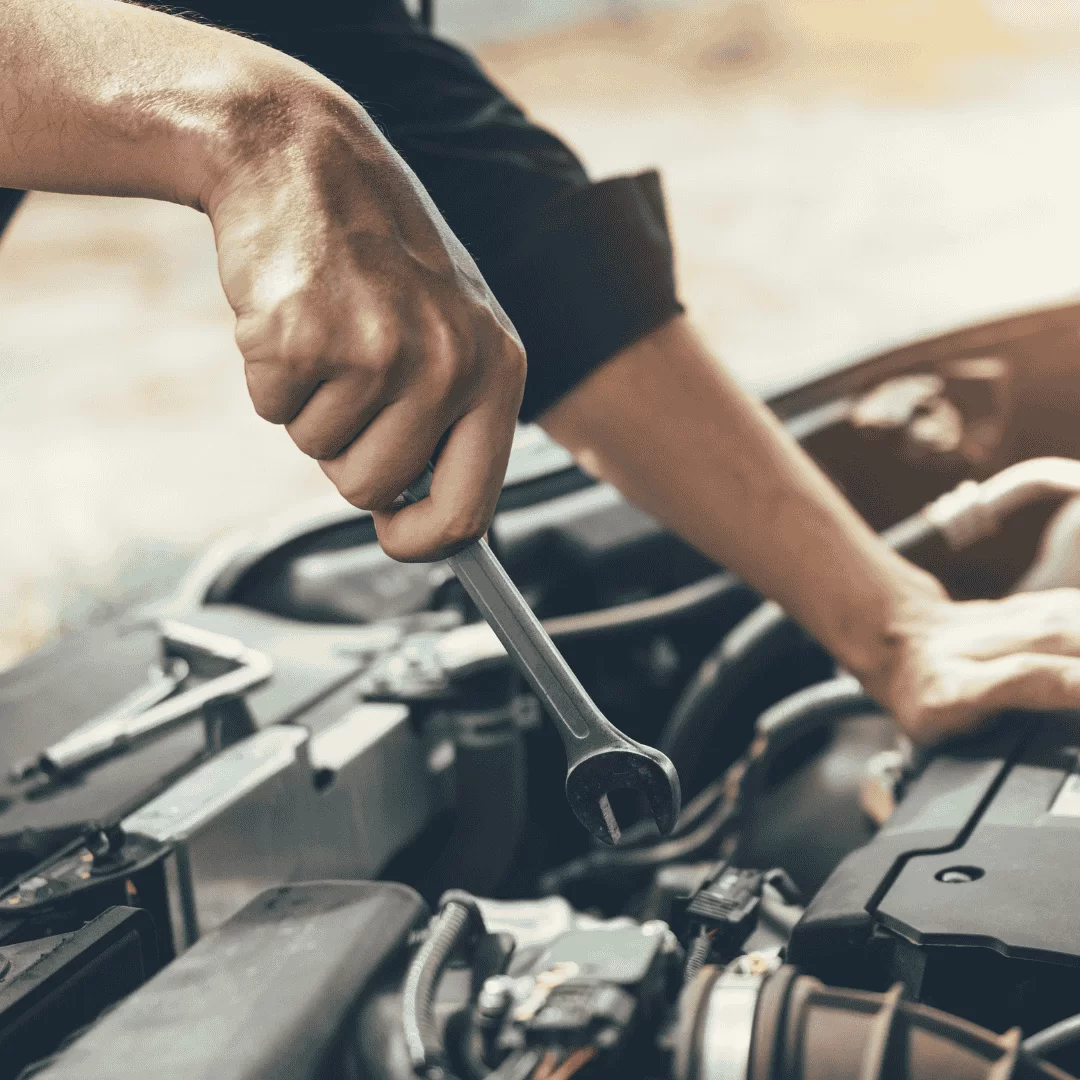
A transmission part is not as easy to purchase as picking up a generic screw. The part must be the correct one for the transmission in question. So the first thing that you have to do is verify the vehicle model, engine, and transmission type before checking the year of manufacture and part number. If part info is available, use the manufacturer. One component can appear to be like another part and still be wrong. That small difference may impact how smoothly it fits or operates. Therefore, verify before you buy.
A Simple Habit Can Save You Money
Now, this is something that a lot of drivers forget. Pay attention to changes. When your car usually glides into gear but then suddenly starts jerking, don’t just turn the radio up. When you see a new leak, chase it down. If you hear a weird sound, don’t assume it will just go away. It is usually easier to just investigate small concerns rather than larger failures. That does not mean that every funny sound is an indication of your transmission on its way out. That just means that your car can be safely started every time, but if the behavior changes, then it needs immediate attention.
What Makes Transmission Parts Interesting?
Teamwork is the most interesting concept surrounding a transmission. One part alone will never get the job done. The gears need shafts. Shafts need bearings. Seals help contain fluid. The power is transferred through the clutch or torque converter. Control systems play a vital role in modern vehicle operations. It’s almost a little bit like a band. That’s the thing about instruments; no one is gonna make a song by himself. In a similar way, no one transmission component can move the car on its own.
Car Transmission Parts: The Powerful Parts Behind Every Smooth Drive
Cessation
A clunky part that lives underneath a vehicle could be a car transmission, an easy-to-experience component of a car. Many interdependent parts make every smooth gear change possible. Clutches, gears, shafts, seals, bearings-bearing systems-with torque converters in between, and other clutches directly related to the fluid system and electronic controls. Staying aware is the best thing a driver can do. Notice changes.
Also Read: Best Car Phone Mounts: Small Gadget, Big Difference